
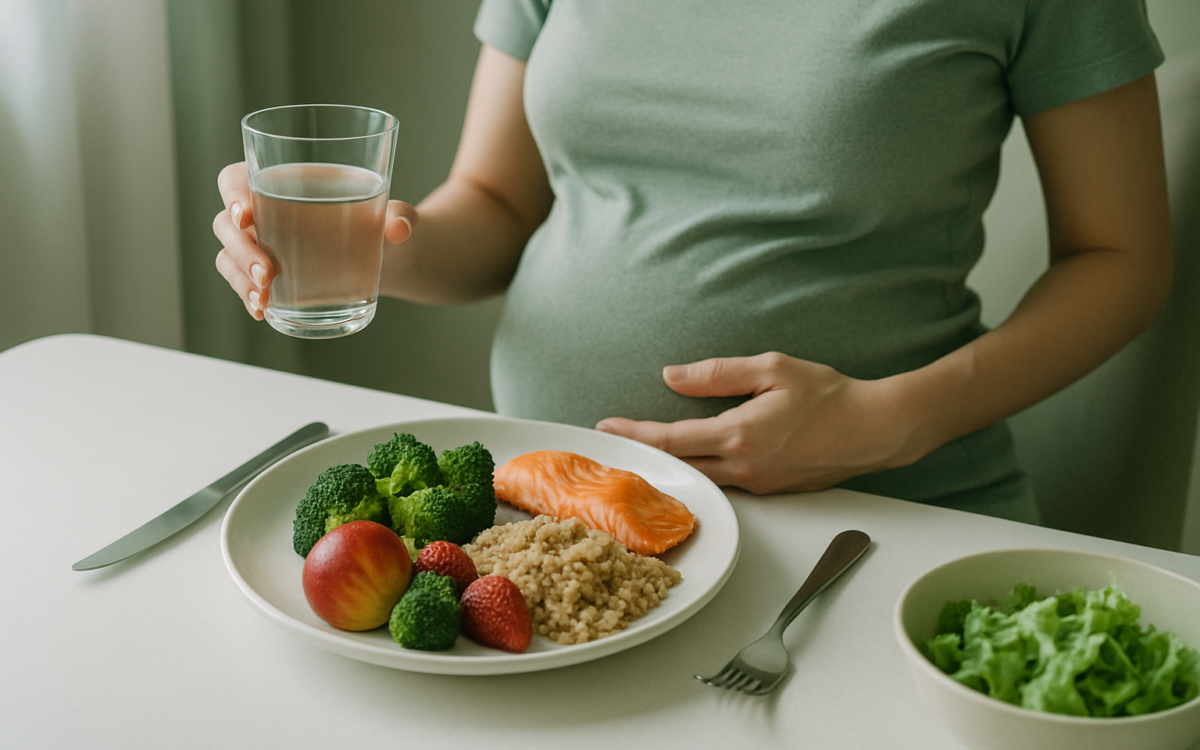
During pregnancy, the food you consume plays a crucial role in your health and your baby’s development. The right diet not only supports your growing baby but also helps manage changes in your body. If you’re expecting, you might wonder what the best diet is to ensure both you and your baby thrive. This article outlines key dietary guidelines and tips to help you make informed choices during this special time.
Understanding Nutritional Needs During Pregnancy
Pregnancy changes your body and its nutritional needs. During this time, it’s vital to focus on a well-balanced diet, rich in various nutrients. The Dietary Guidelines for Americans recommend that pregnant women increase their intake of several key nutrients:
- Folic Acid: Essential for preventing neural tube defects, folic acid is crucial before and during pregnancy. Foods high in this vitamin include leafy greens, legumes, nuts, and fortified cereals.
- Iron: As your blood volume increases, so does the need for iron to support your body and baby. Red meat, poultry, beans, and spinach are excellent sources.
- Calcium: Calcium is vital for developing your baby’s bones and teeth. Dairy products, green leafy vegetables, and fortified plant-based milk are good options.
- Protein: Important for fetal growth, aim to include lean meats, eggs, beans, and nuts in your diet.
Building a Balanced Plate
A well-rounded diet includes a variety of food groups. The National Heart, Lung, and Blood Institute suggests following these simple guidelines:
- Fruits and Vegetables: Aim for at least five servings a day. They provide essential vitamins, minerals, and fiber.
- Whole Grains: Choose whole grains such as brown rice, quinoa, and whole wheat bread over refined grains for better nutrient intake.
- Lean Proteins: Incorporate a variety of protein sources including poultry, fish (low in mercury), eggs, tofu, and legumes.
- Dairy: Aim for three servings daily to meet your calcium needs, focusing on low-fat or fat-free options.
Hydration and Pregnancy
Staying hydrated is just as important as eating well during pregnancy. Water helps nutrient absorption and supports increased blood volume. Aim for a minimum of 8-10 cups (64-80 ounces) of fluids daily. Remember:
- Limit Sugary Drinks: Be cautious with beverages high in sugar as they add empty calories.
- Avoid Caffeine: Limit caffeine intake to less than 200 mg per day, roughly equivalent to one 12-ounce cup of coffee.
- Choose Water: Prioritize water, herbal teas, and smoothies with fresh fruits and vegetables.
Foods to Avoid or Limit
While you should strive for a nutritious diet, it’s equally important to steer clear of certain foods that could pose risks to your health or your baby’s. The following are typically recommended for avoidance:
- Raw or Undercooked Seafood and Eggs: To minimize the risk of foodborne illnesses.
- Large Fish: Fish high in mercury, such as shark, swordfish, and king mackerel, can harm your baby’s development.
- Processed Foods: Limit junk foods that are high in sugar, salt, and unhealthy fats.
- Alcohol: There’s no safe amount of alcohol during pregnancy; avoiding it completely is best.
Supplements and Prenatal Vitamins
Besides a balanced diet, consider a prenatal vitamin to help you meet your nutritional needs. Most prenatal vitamins include essential nutrients like:
- Folic Acid
- Iron
- Calcium
- DHA (Omega-3 Fatty Acids): Important for brain development.
Always consult with your healthcare provider before starting any new supplements to ensure they are appropriate for your individual needs.
Meal Planning and Practical Tips
Making healthy choices can often feel overwhelming. Here are a few practical meal planning tips:
- Plan Ahead: Prepare meals on the weekends or when you have free time to avoid last-minute unhealthy choices.
- Healthy Snacks: Stock up on healthy snacks like fresh fruit, nuts, and yogurt to keep your energy levels steady.
- Involve Family: Share your healthy eating goals with family, so they can support your journey and perhaps join you.
When to See a Doctor
If you’re struggling to manage your diet or have concerns about your nutrition, it’s best to consult with a healthcare professional. Additionally, seek advice if you experience any unusual symptoms, such as fatigue, severe nausea, or extreme cravings for non-food items (a condition known as pica).
Always remember, each pregnancy is unique, and what works for one person may not be right for another.
Healthy eating during pregnancy lays the groundwork for a healthy lifestyle for both you and your baby. Focus on nourishing yourself, making informed choices, and enjoying this beautiful journey.
