
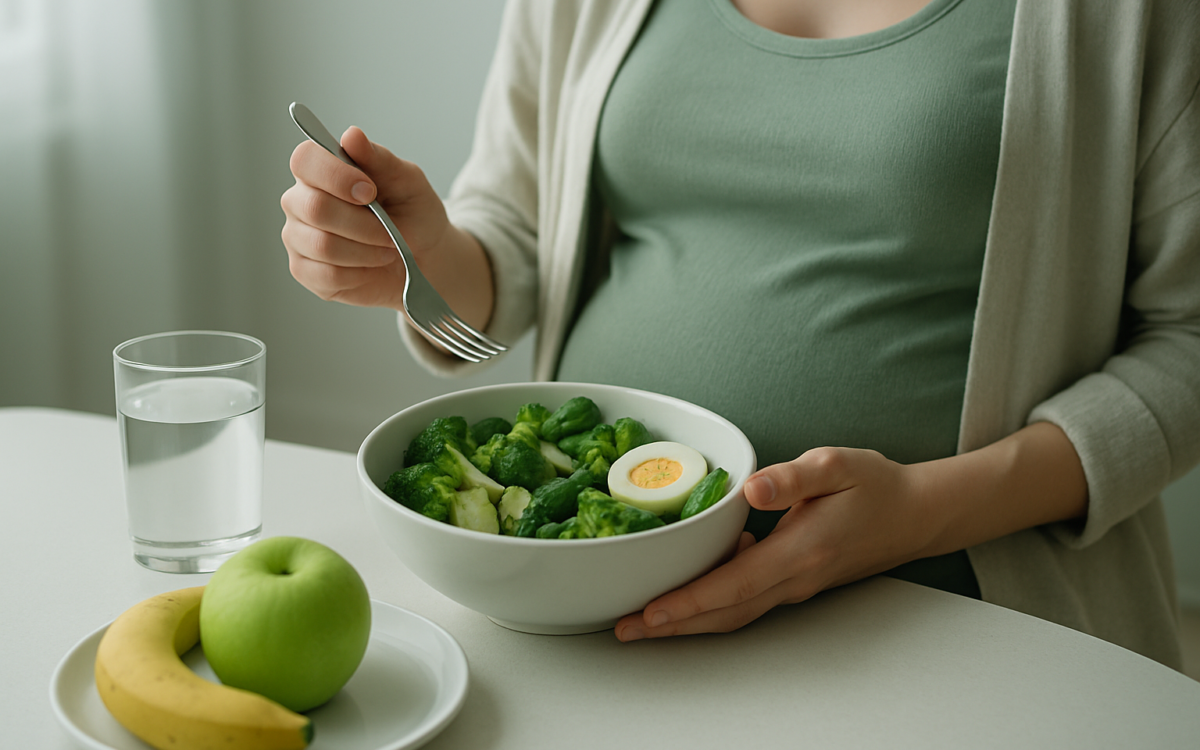
Eating well during pregnancy is one of the most important things you can do for yourself and your baby. A healthy maternity diet not only provides the needed nutrients that support fetal development but also helps the mother maintain her health throughout this transformative journey. This guide will explore the essential components of a healthy maternity diet, offering tips and suggestions for making nutritious choices.
Understanding the Basics of Pregnancy Nutrition
Pregnancy changes your body’s nutritional needs. During this period, it’s vital to focus on consuming a balanced diet rich in various food groups, including fruits, vegetables, whole grains, protein sources, and healthy fats. According to the National Institutes of Health, a well-rounded diet helps support critical stages of fetal development and minimizes pregnancy complications.
Key Nutrients for Expecting Mothers
Identifying and incorporating key nutrients into your diet can significantly impact your health and your baby’s development. Here are some crucial nutrients to focus on:
- Folic Acid: Essential for preventing neural tube defects. Aim for at least 600 mcg daily from foods like leafy greens, lentils, and fortified cereals.
- Iron: Important for increasing blood volume and preventing anemia. Sources include lean meats, beans, and spinach. Pregnant women should aim for about 27 mg daily.
- Calcium: Necessary for fetal bone development. Dairy products, fortified plant-based milk, and leafy greens are excellent sources.
- Omega-3 Fatty Acids: Supports brain development. Found in fish like salmon, flaxseeds, and walnuts.
- Protein: Crucial for tissue growth. Incorporate lean meats, poultry, fish, beans, and nuts to meet your needs.
Building Your Meal Plan
Planning nutritious meals is a practical way to ensure you’re getting a variety of essential nutrients. Start by creating a weekly meal plan that includes:
- At least five servings of fruits and vegetables each day.
- Whole grains such as brown rice, quinoa, and whole wheat bread.
- Healthy sources of protein, like eggs, chicken, or legumes, at each meal.
- Sufficient hydration by drinking plenty of water and avoiding sugary beverages.
Example meals might include a breakfast of oatmeal topped with berries and nuts, a lunch featuring a spinach salad with grilled chicken, and a dinner of baked salmon, sweet potatoes, and steamed broccoli.
Snack Wisely
Snacking can be a great way to meet your nutrient needs, but it’s important to make healthy choices. Opt for snacks that provide vitamins and minerals without excessive calories or sugar. Some nutritious snack ideas include:
- Greek yogurt with honey and fruit
- Hummus with carrot and cucumber sticks
- Whole grain crackers with cheese
- Nut butter on apple slices or whole-grain toast
Foods to Limit or Avoid
While there are many foods to include, some should be limited or avoided during pregnancy due to potential risks:
- High-Mercury Fish: Fish like shark, swordfish, and king mackerel can contain toxins harmful to fetal development. Consider safer options like salmon and shrimp.
- Processed Foods: These often contain unhealthy fats, sugars, and preservatives. Focus on whole food options instead.
- Raw or Undercooked Foods: Avoid raw eggs, undercooked meats, and deli meats that can be contaminated with bacteria.
- Caffeine: Limit caffeine intake to about 200 mg daily, equivalent to about one 12-ounce cup of coffee.
Always consult with a healthcare provider about dietary restrictions that may apply to your individual health.
Coping with Food Aversions and Cravings
Many pregnant women experience food aversions and cravings. If you find certain foods appealing but they’re not the healthiest options, try to balance cravings with nutritious alternatives. For example, if you crave something sweet, consider fruit or a healthy smoothie instead of candy. Listening to your body’s signals is essential; it’s about finding a balance.
When to See a Doctor
If you have specific dietary concerns or experience extreme nausea, weight loss, or other health issues, consult a healthcare provider. It’s essential to keep open communication with your doctor about your diet and health during pregnancy.
Conclusion
A healthy maternity diet is integral to ensuring both your well-being and that of your baby. By focusing on a variety of nutritious foods, hydrating adequately, and understanding which foods to limit, you can support a healthy pregnancy. Remember, consulting with a healthcare professional is vital in creating a personalized dietary plan that suits your unique needs.
