
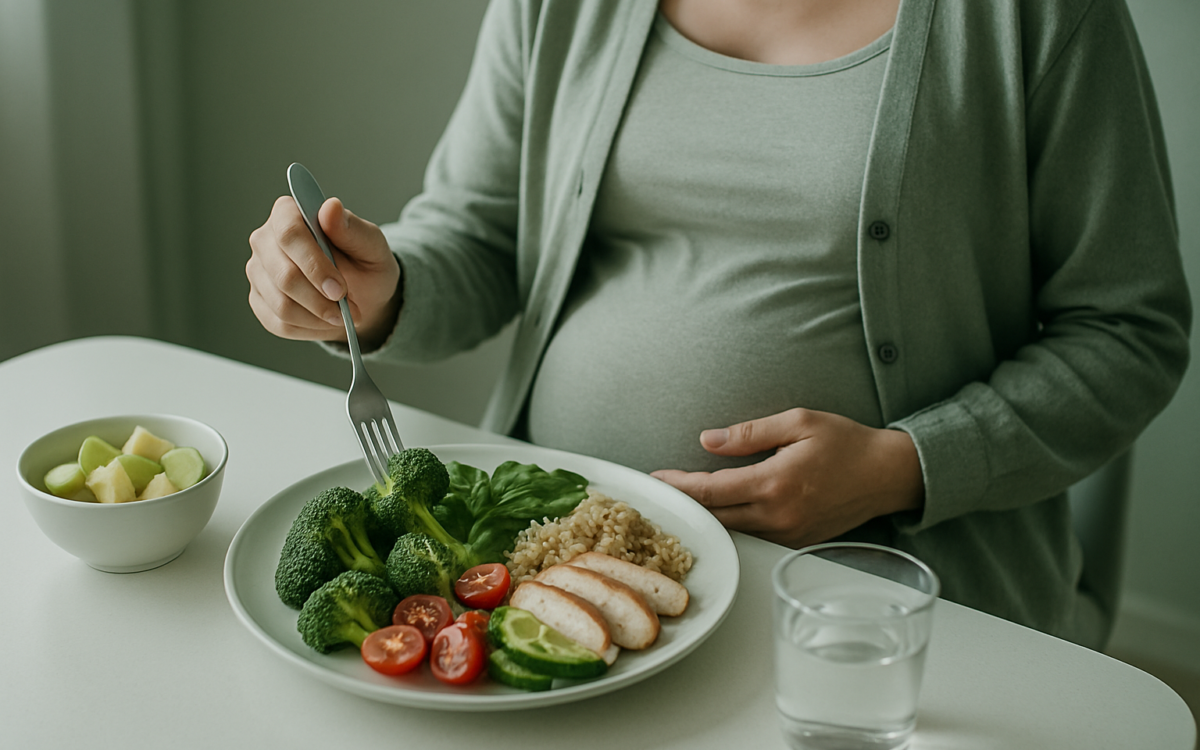
Pregnancy is a beautiful journey filled with excitement and anticipation. As your body undergoes significant changes, maintaining a proper diet is essential not just for your health, but for the healthy development of your baby. A well-balanced diet can help manage common pregnancy symptoms, support fetal growth, and prepare your body for childbirth.
The Importance of Nutrition During Pregnancy
Nutrition plays a vital role during pregnancy. The right foods can provide the necessary vitamins and minerals to support fetal growth and can help you maintain your energy levels. During this period, a woman’s dietary needs increase, and meeting those needs is critical for both physical and emotional health. Good nutrition can help prevent pregnancy complications such as gestational diabetes and preeclampsia, exemplifying the deep connection between diet and overall health during pregnancy.
Essential Nutrients for Expecting Mothers
While every woman’s body is unique, there are some key nutrients that are particularly important during pregnancy:
- Folic Acid: This B vitamin is vital for preventing neural tube defects in the developing fetus. Aim for at least 600 micrograms daily through fortified foods like cereals and leafy greens.
- Iron: Increased blood volume during pregnancy necessitates more iron. Foods rich in iron include lean meats, beans, and iron-fortified cereals. A daily supplement may also be recommended.
- Calcium: This mineral supports bone health for you and your baby. Dairy products, green leafy vegetables, and fortified plant-based milks are excellent sources.
- DHA: Omega-3 fatty acids, particularly DHA, contribute to the baby’s brain development. Fatty fish, walnuts, and flaxseeds are good sources.
- Vitamin D: This vitamin aids in calcium absorption and is essential for bone health. Sunlight, fortified foods, and certain fish can help you meet your daily needs.
Foods to Include in Your Pregnancy Diet
To maintain a well-balanced diet, consider including a variety of food groups:
- Fruits and Vegetables: Aim for a rainbow on your plate! Fresh fruits and vegetables are packed with vitamins and minerals.
- Whole Grains: Incorporate whole grains like brown rice, quinoa, and whole wheat bread. These provide energy and fiber, helping with digestion.
- Lean Proteins: Foods such as chicken, turkey, fish, beans, and nuts should be part of your meals for essential amino acids.
- Dairy: Greek yogurt, milk, and cheese not only provide calcium but also protein and probiotics for gut health.
Foods to Avoid During Pregnancy
While many foods are beneficial, certain items should be limited or avoided entirely, as they can pose risks to you and your baby:
- Raw or Undercooked Seafood and Meat: These can contain harmful bacteria and parasites. Always ensure foods are properly cooked.
- High Mercury Fish: Fish like shark, swordfish, and king mackerel should be avoided due to mercury content.
- Processed Foods: Limit intake of overly processed and sugary foods which can lead to excessive weight gain and nutrient deficiencies.
- Alcohol and Caffeine: It’s best to avoid alcohol completely and limit caffeine intake, as both can affect fetal development.
International Perspectives on Pregnancy Nutrition
Pregnancy nutrition can vary by culture and region, influencing food choices and dietary practices. For example, traditional diets in various countries emphasize the importance of specific nutrients for pregnant women. Acibadem International offers comprehensive services and guidelines that address these diverse dietary needs, ensuring that pregnant women worldwide receive culturally appropriate nutritional support.
Hydration Matters Too!
Staying hydrated is crucial during pregnancy. Aim for at least eight 8-ounce glasses of water a day. Staying well-hydrated helps with digestion and can reduce symptoms like constipation and swelling. Additionally, hydration supports amniotic fluid levels, which are vital for a baby’s environment.
Making Healthy Choices
Making conscious food choices can be a delicious adventure. Consider meal prepping healthy recipes or joining a pregnancy nutrition group where you can share your experiences and learn from others. Don’t forget, it’s okay to indulge occasionally, as maintaining a balanced approach is key.
When to See a Doctor
If you have specific dietary restrictions, health conditions, or concerns about your weight gain or nutritional intake, it’s essential to consult with your healthcare provider. They can offer personalized advice and guidance tailored to your needs and the specifics of your pregnancy.
In conclusion, maintaining a proper diet during pregnancy can enhance your health and that of your growing baby. By ensuring you get the essential nutrients and making informed food choices, you take proactive steps toward a healthy pregnancy. Always consult your healthcare provider for tailored recommendations that suit your individual health needs.
