
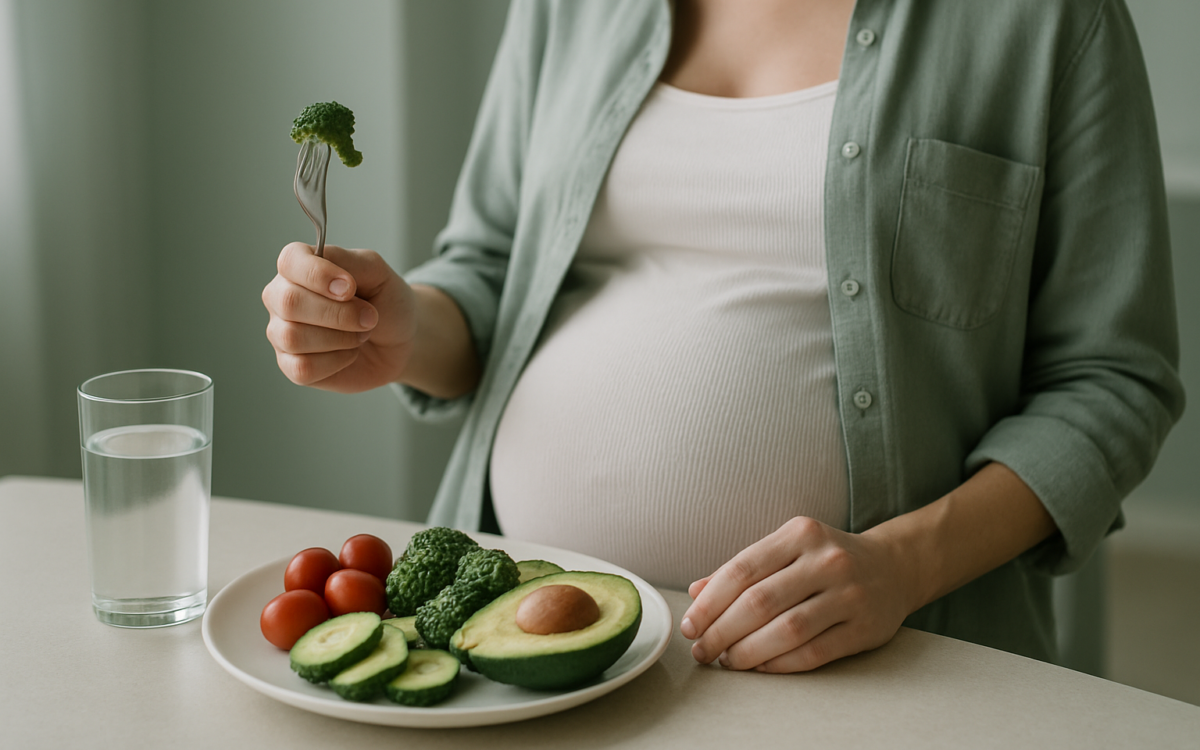
Pregnancy is a beautiful journey filled with excitement and anticipation. One of the key components of a healthy pregnancy is nutrition. What you eat during this time directly impacts not only your health but also the development and growth of your baby. Understanding the essentials of a healthy diet can empower mothers-to-be to make informed choices that benefit both themselves and their little ones.
Understanding Nutritional Needs During Pregnancy
During pregnancy, your body goes through numerous changes that elevate your nutritional needs compared to pre-pregnancy. Essential nutrients including proteins, vitamins, and minerals are vital for forming your baby’s organs and tissues. A well-balanced diet will help ensure that these nutrients are available in sufficient amounts.
Key Food Groups for a Healthy Diet
During pregnancy, it’s important to focus on a variety of food groups to ensure you’re getting the nutrients needed for a healthy pregnancy. Here are some crucial food categories:
- Fruits and Vegetables: Aim for at least five servings a day. These provide essential vitamins, minerals, and fiber. Dark leafy greens, berries, bananas, and citrus fruits are excellent choices.
- Whole Grains: Choose whole grain breads, brown rice, and oatmeal. These foods offer energy and are rich in B vitamins and fiber.
- Lean Proteins: Incorporate sources like chicken, fish, beans, and legumes. Protein is essential for the baby’s growth and development.
- Dairy Products: Low-fat milk, yogurt, and cheese supply calcium and protein, both vital for the baby’s bone development.
- Healthy Fats: Incorporate foods like avocados, nuts, and olive oil. Healthy fats support brain development in the baby.
Essential Nutrients for Pregnancy
Several specific nutrients become even more important during pregnancy:
- Folic Acid: This B vitamin significantly reduces the risk of neural tube defects. Foods rich in folic acid include leafy greens, beans, and fortified cereals.
- Iron: Pregnant women have higher iron requirements to support increased blood volume and fetal growth. Good sources include red meat, lentils, and spinach.
- Calcium: Necessary for building the baby’s bones, calcium can be found in dairy products, fortified plant milks, and leafy greens.
- Omega-3 Fatty Acids: Important for brain development, these can be found in fatty fish (like salmon), walnuts, and flaxseeds.
Hydration and Its Importance
Staying hydrated is often overlooked but is crucial during pregnancy. As your blood volume increases and amniotic fluid surrounds your baby, you’ll need more fluids than usual. Aim to drink at least 8-10 cups of water daily. Dehydration can lead to complications such as fatigue and dizziness. Opt for water most of the time, but don’t shy away from herbal teas or infused waters for a little variety.
Foods to Limit or Avoid
While many foods are beneficial during pregnancy, some should be limited or avoided entirely:
- Processed Foods: Foods high in sugar, sodium, and unhealthy fats can lead to unnecessary weight gain and gestational diabetes.
- Caffeine: Excessive caffeine intake can be linked to miscarriage and low birth weights. It’s best to keep your intake to a minimum.
- Raw or Undercooked Foods: Raw fish, eggs, and meats can harbor harmful bacteria. Always ensure your food is cooked thoroughly.
- Alcohol: No known safe level of alcohol consumption exists during pregnancy. It’s best to avoid it completely.
Supplements: A Useful Addition
Even with a balanced diet, certain nutrients may still fall short, making prenatal vitamins a beneficial addition to your routine. Folic acid, iron, and DHA (a type of omega-3) are often included in prenatal supplements. Consult your healthcare provider to determine what’s best for you, as personalized advice based on your dietary intake is important.
Creating a Meal Plan
Planning meals can make a huge difference in staying on track with your pregnancy diet. Here’s how you can create a balanced meal plan:
- Meal Prepping: Spend some time each week preparing healthy meals and snacks. This can help you resist the temptation of unhealthy options.
- Snack Wisely: Keep nutritious snacks on hand, such as nuts, yogurt, or chopped vegetables. Healthy snacking can help manage hunger and maintain energy levels.
- Diversity is Key: Aim to eat a rainbow of foods. Different colors often signify different nutrients!
When to See a Doctor
If you have concerns about your diet or any specific symptoms during pregnancy, such as excessive fatigue, unusual cravings, or rapid weight gain, it’s important to consult your healthcare provider. Your doctor can guide you on how to adjust your diet appropriately for your individual needs.
Always remember, every pregnancy is unique, and what works for one person may not work for another. Listening to your body and seeking professional advice is always the best path.
Conclusion
A healthy diet during pregnancy plays a vital role in the wellbeing of both mother and baby. By focusing on balanced meals that include a variety of nutrients, staying hydrated, and seeking professional guidance when needed, you can nourish yourself and support your baby’s healthy development. Embrace this beautiful time with positive food choices, and enjoy the journey!
