
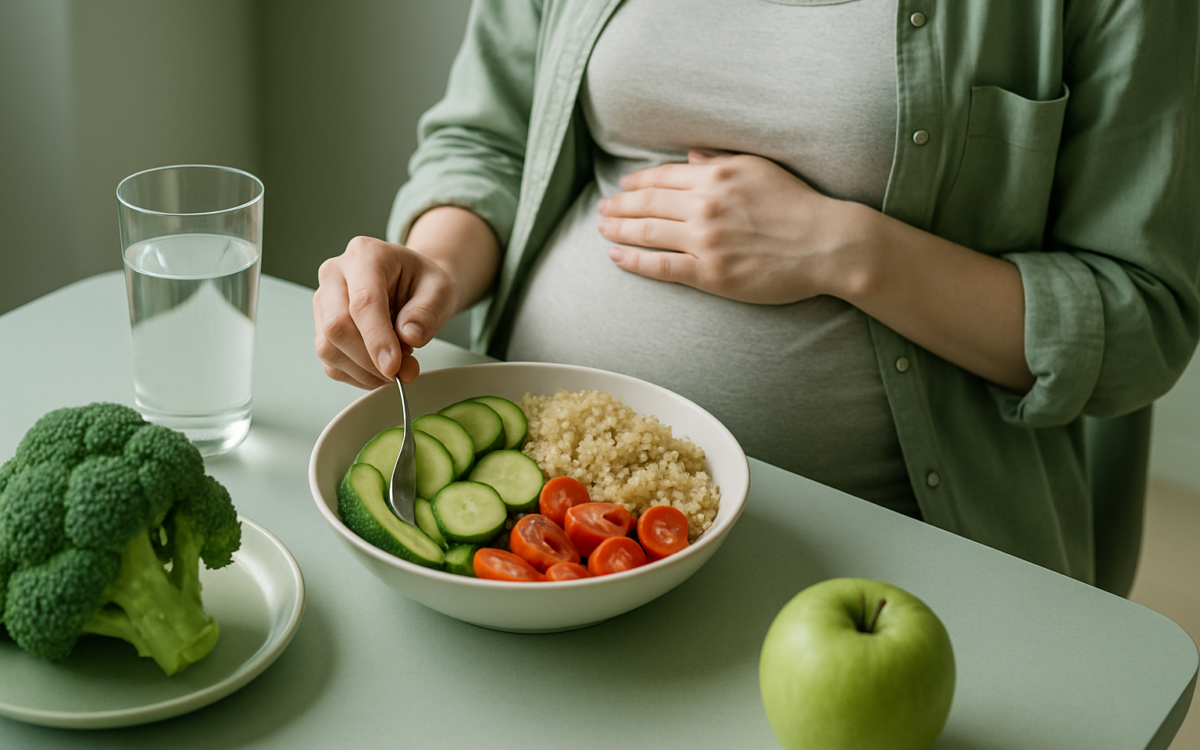
Pregnancy is a beautiful journey, filled with anticipation and excitement. As your body undergoes significant changes to accommodate your growing baby, the importance of a balanced diet cannot be overstated. What you eat during this time plays a crucial role in your baby’s development and your own health. Let’s explore the key components of a well-rounded pregnancy diet.
The Importance Of Maternal Nutrition
Proper nutrition is vital for both the mother and the developing baby. A well-balanced pregnancy diet can help prevent complications such as gestational diabetes and preeclampsia, while also supporting optimal fetal growth. Food not only provides energy but also delivers essential nutrients that contribute to the development of the baby’s organs, brain, and overall health.
Key Nutrients To Focus On
During pregnancy, certain nutrients take on added significance. Here’s a breakdown of the most important ones:
- Folic Acid: Essential for preventing neural tube defects, adequate folic acid intake is crucial. Aim for 600 micrograms per day from supplements and foods like leafy greens, legumes, and fortified cereals.
- Iron: Pregnant women need more iron to support increased blood volume and fetal growth. Include iron-rich foods such as red meat, poultry, fish, and fortified grains in your diet. Pairing these with vitamin C-rich foods can enhance absorption.
- Calcium: Important for building the baby’s bones and teeth, pregnant women should consume around 1,000 mg of calcium daily. Dairy products, fortified plant-based milks, and green leafy vegetables are excellent sources.
- Omega-3 Fatty Acids: Important for brain development, aim to include sources like fatty fish (salmon, sardines) or walnuts. If you’re concerned about fish safety, consider taking a DHA supplement.
- Protein: Vital for tissue growth, especially during the second and third trimesters. Ensure you’re getting enough high-quality protein from sources like eggs, beans, nuts, and lean meats.
Practical Meal Ideas
Creating a pregnancy-friendly meal plan can be simple and enjoyable. Here are some ideas for balanced meals and snacks:
Breakfast
- Oatmeal topped with fresh berries and a dollop of yogurt.
- Whole grain toast with avocado and a poached egg.
Lunch
- A quinoa salad with chickpeas, diced cucumber, cherry tomatoes, and feta cheese.
- Spinach wrap filled with grilled chicken and hummus.
Dinner
- Grilled salmon served with steamed broccoli and brown rice.
- Stuffed bell peppers filled with ground turkey and black beans.
Snacks
- Sliced apple with almond butter.
- Carrot sticks with hummus.
For those considering international options, treatment in Turkey reflects the increasing global perspectives on prenatal care, where regional diets and traditions also emphasize nutritious eating and maternal health.
Hydration And Its Role
Staying hydrated is equally important during pregnancy. Aim to drink at least 8-10 cups of water daily. Proper hydration helps in nutrient transport and maintains amniotic fluid levels. If you’re struggling to drink enough water, consider adding slices of fruit or sipping herbal teas (with your doctor’s approval).
Foods To Avoid
While it’s important to focus on what to eat, knowing what to avoid is equally critical:
- Raw or undercooked seafood: This can pose a risk of foodborne illnesses.
- Unpasteurized dairy products: These can contain harmful bacteria.
- Caffeine: Limiting intake is recommended to avoid potential risks.
- Alcohol: No amount of alcohol is considered safe during pregnancy.
Vitamins And Supplements
In addition to a balanced diet, prenatal vitamins can help close nutritional gaps. A daily multivitamin specifically designed for pregnancy can be beneficial. Consult your healthcare provider to discuss the best options for your needs. Some expectant mothers may need additional supplements, which can be determined based on individual dietary intake.
When To See A Doctor
If you have any concerns about your diet or experience unusual symptoms like food aversions, nausea that affects your ability to eat, or any weight concerns, don’t hesitate to reach out to your healthcare provider. It’s crucial to discuss your dietary needs with a medical professional who can provide personalized recommendations.
In conclusion, a well-rounded pregnancy diet is fundamental to the health of both you and your baby. Emphasizing whole foods, ensuring sufficient nutrient intake, and staying hydrated can make all the difference during this transformative time. Remember to consult with your doctor about any specific dietary needs or restrictions you may have, and celebrate the nourishing choices you make for your growing family.
