
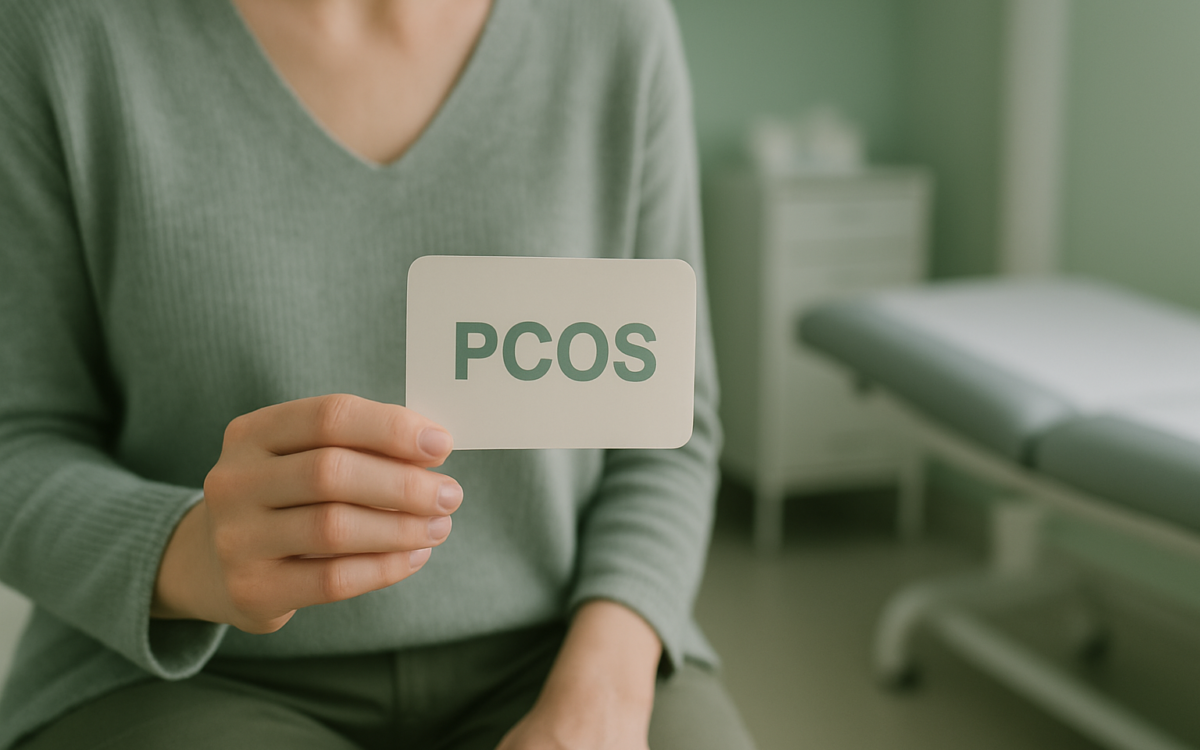
Polycystic ovary syndrome, commonly known as PCOS, is a hormonal disorder that affects many women around the world. Understanding the fundamentals of PCOS can help empower those who experience its challenges. In this article, we will delve into what PCOS means, its symptoms, causes, and what steps can be taken for effective management.
What is PCOS?
PCOS is a condition that affects how a woman’s ovaries work. The term literally means multiple cysts on the ovaries, which are hormonal imbalances that can lead to various health issues. Women with PCOS often have irregular menstrual cycles, elevated levels of androgens (often referred to as male hormones), and may struggle with ovulation.
Symptoms of PCOS
The symptoms of PCOS can vary significantly from person to person. While some women may experience many symptoms, others may have just a few. Common symptoms include:
- Irregular periods: Menstrual cycles may be longer than 35 days or missed altogether.
- Excess body hair: Increased hair growth on the face, chest, and back, known as hirsutism.
- Weight gain: Many women with PCOS experience difficulty managing their weight.
- Acne: These can occur on the face and other areas of the body, often due to hormonal imbalances.
- Thinning hair: Some may experience hair loss on the scalp.
- Infertility: Challenges in conceiving can arise as a result of ovulatory dysfunction.
These symptoms can sometimes overlap with other conditions, making it essential for women who suspect they have PCOS to consult with a healthcare provider for a proper diagnosis.
Causes and Risk Factors
The exact cause of PCOS is not entirely understood, but several factors may contribute to its development. Some of the known factors include:
- Genetics: PCOS tends to run in families, suggesting a potential genetic link.
- Insulin resistance: Many women with PCOS have insulin resistance, which can lead to weight gain and difficulty managing blood sugar levels.
- Hormonal imbalance: Elevated levels of androgens interfere with ovulation, leading to the symptoms identified above.
While not every woman with PCOS displays all these risk factors, being aware of them can help with early detection and management.
Diagnosing PCOS
To diagnose PCOS, healthcare providers will typically use a combination of medical history reviews, physical exams, and diagnostic tests. Criteria for diagnosis often include:
- Irregular or absent menstrual cycles.
- Signs of excess androgens, such as hirsutism or acne.
- Ultrasound findings of polycystic ovaries.
It’s crucial to note that PCOS can be misdiagnosed or go undetected, so if symptoms are present, seeking evaluation from a healthcare professional is vital.
Managing PCOS
Managing PCOS typically involves a multifaceted approach tailored to each individual’s needs. Lifestyle changes, medical treatments, and support can improve symptoms and overall health. Here are some common management strategies:
Lifestyle Changes
Adopting healthier lifestyle habits can significantly impact PCOS symptoms. These may include:
- Balanced diet: Focusing on a diet rich in whole foods, low in refined carbohydrates can help manage weight and improve insulin sensitivity.
- Regular exercise: Engaging in at least 150 minutes of moderate exercise a week can aid in weight management and improve mood.
- Stress management: Techniques such as yoga, meditation, and mindfulness can alleviate the stress that often accompanies chronic health issues.
Medical Treatments
Depending on the severity of symptoms, medical interventions may be necessary. Some common treatments include:
- Hormonal birth control: Hormonal contraceptives can regulate menstrual cycles and reduce symptoms like acne and hirsutism.
- Metformin: Often prescribed for insulin resistance, this medication can aid in weight loss and help regulate menstrual cycles.
- Fertility treatments: For those experiencing infertility, medications or assisted reproductive technologies may be recommended.
Long-term Health Considerations
PCOS is not just a reproductive issue; it can have broader health implications. Women with PCOS are at higher risk for conditions such as type 2 diabetes, heart disease, and endometrial cancer. Regular check-ups and monitoring of these potential health risks are essential for proactive management. It’s essential to establish a good relationship with your healthcare provider to navigate these issues effectively.
When to See a Doctor
If you have irregular periods, significant weight changes, or other symptoms associated with PCOS, it is advisable to seek medical advice. Early diagnosis can enhance the quality of life and help prevent long-term complications.
Conclusion
Understanding the meaning of PCOS is fundamental to navigating its complexities. With awareness and the right resources, those affected can take charge of their health and work towards managing symptoms effectively. Remember, if you suspect you have PCOS or are experiencing concerning symptoms, consulting with a healthcare professional is the best way to start your health journey.
