
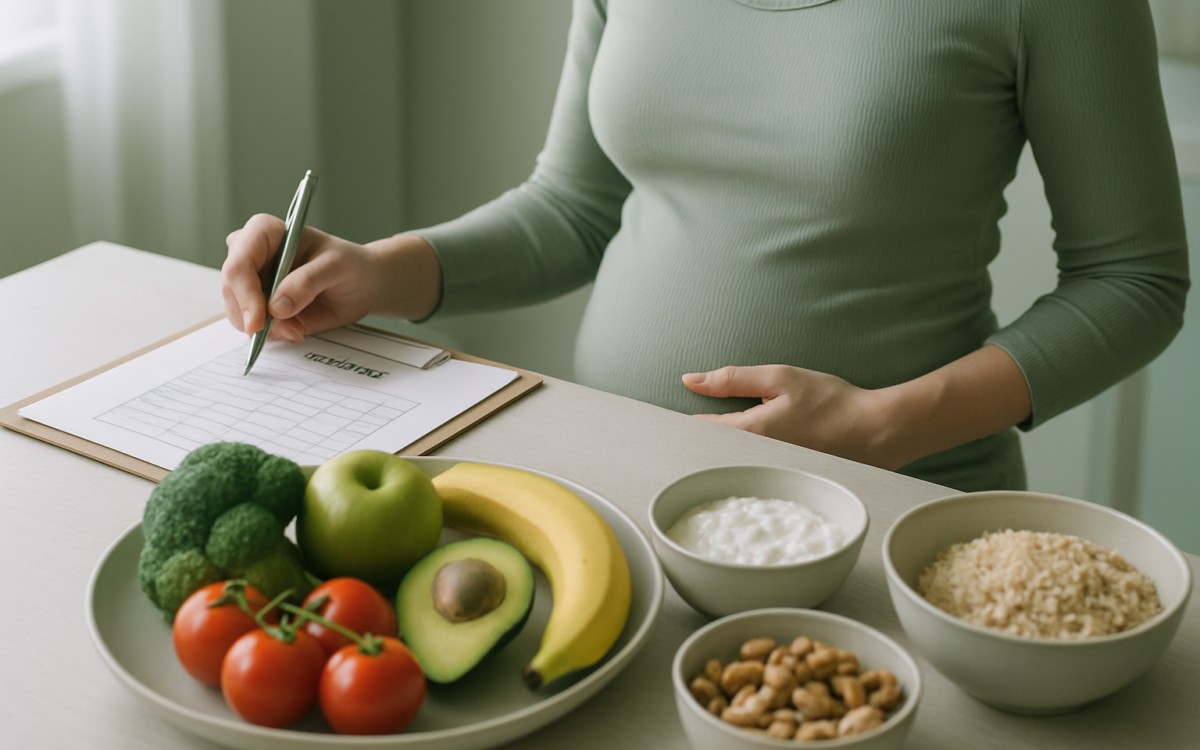
Every pregnancy is a unique journey, and the first trimester is a time filled with excitement and transformation. During this early stage, the foundations for your baby’s health are laid. Hence, focusing on a nutritious diet becomes essential. This article aims to provide you with a clear and comprehensive diet chart for the first three months of pregnancy, ensuring you and your baby receive the vital nutrients necessary for optimal health.
Understanding Nutritional Needs
In the early stages of pregnancy, your body undergoes significant changes. Your caloric needs will increase, and you may require additional nutrients such as folate, iron, and calcium. According to the National Institutes of Health, a balanced diet can aid in preventing common pregnancy-related issues, such as anemia and neural tube defects.
Key Nutrients for the First Trimester
During the first three months, several nutrients are particularly crucial:
- Folate: Essential for fetal development, it helps prevent neural tube defects. Sources include leafy greens, beans, and fortified cereals.
- Iron: Supports increased blood volume and prevents anemia. Lean meats, spinach, and legumes are excellent sources.
- Calcium: Important for bone development. Include dairy products, tofu, and fortified plant milks in your diet.
- Protein: Crucial for growth. Incorporate lean meats, beans, nuts, and dairy.
- Omega-3 Fatty Acids: Beneficial for brain development. Sources include fish like salmon, walnuts, and flaxseeds.
1 to 3 Month Pregnancy Diet Chart
Here’s a sample diet chart to guide your meals during the first trimester:
Breakfast Options
- Oatmeal topped with sliced banana and a sprinkle of nuts
- Greek yogurt with berries and a drizzle of honey
- Whole grain toast with avocado and a poached egg
Snack Ideas
- Raw vegetables with hummus
- A handful of mixed nuts and dried fruit
- Low-fat cheese with whole grain crackers
Lunch Choices
- Quinoa salad with mixed greens, chickpeas, and a lemon vinaigrette
- Grilled chicken wrap with spinach and bell peppers
- Lentil soup paired with a side of whole grain bread
Dinner Selections
- Baked salmon with steamed broccoli and sweet potato
- Stir-fried tofu with mixed vegetables served over brown rice
- Stuffed bell peppers with ground turkey, quinoa, and black beans
Dessert Options
- Chia pudding with coconut milk and fruit
- Frozen yogurt topped with fresh fruit
- Dark chocolate (in moderation) for a sweet treat
Hydration During Pregnancy
Staying adequately hydrated is equally important, especially as your blood volume increases. Aim for at least 8-10 cups (64-80 ounces) of water daily. If you experience morning sickness, it can be helpful to sip fluids throughout the day rather than consuming large amounts at once. Herbal teas and clear soups can also be great options for hydration.
Things to Avoid
While nourishing foods should be your focus, there are certain things to limit or avoid during the first trimester:
- Alcohol: No amount of alcohol is considered safe during pregnancy.
- Caffeine: Limit caffeine intake to about 200mg per day (roughly one 12-ounce cup of coffee).
- Raw or Undercooked Foods: These can pose a risk to both you and your baby. Avoid sushi, undercooked meat, and unpasteurized dairy products.
- Processed Foods: Foods high in sugar and unhealthy fats can lead to unnecessary weight gain and other health issues.
When to See a Doctor
If you experience severe nausea or vomiting (more than just morning sickness), unusual fatigue, or any concerning symptoms during your first trimester, it’s critical to consult your doctor. They can assess your condition and ensure both your health and your baby’s health are on track.
Conclusion
Proper nutrition during the first trimester is vital for both you and your developing baby. Concentrating on whole, nutrient-dense foods can help support a healthy pregnancy journey. Remember to consult your healthcare provider for personalized dietary recommendations tailored to your specific needs. By implementing a balanced diet early on, you set the stage for a healthier future for both you and your little one.
