
Having a bright, white smile is something many people desire. Stained or discolored teeth can affect self-esteem and confidence. Professional teeth whitening is a popular option for those looking to enhance their smiles safely and effectively. But what does the process involve, and how does it work? Let’s dive into the world of professional teeth whitening and discover if it’s the right choice for you.
Understanding Professional Teeth Whitening
Professional teeth whitening is a cosmetic dental procedure designed to lighten the color of your teeth. The treatment is carried out by a dentist or in a dental office, utilizing stronger whitening agents than over-the-counter products. The main active ingredients in these professional treatments are usually hydrogen peroxide or carbamide peroxide, which penetrate the enamel to break down stains.
Why Choose Professional Over At-Home Options?
While at-home whitening kits and products are widely available, many people opt for professional treatments for several reasons:
- Stronger Results: Dental professionals use more potent bleaching agents that can lead to immediate, noticeable results.
- Customized Care: Your dentist can tailor the treatment to your specific needs, considering factors like the extent of discoloration and any underlying dental issues.
- Safety: A dental professional monitors the procedure, minimizing the risk of side effects such as gum irritation or uneven whitening.
The Teeth Whitening Process
The professional teeth whitening process typically follows these steps:
1. Initial Consultation
Your journey begins with a consultation. Your dentist will examine your teeth, discuss your goals, and evaluate your overall oral health. This step may also include taking photos of your teeth for before-and-after comparisons.
2. Cleaning
Before the whitening begins, your dentist will likely conduct a dental cleaning. This helps to remove plaque and debris that can affect the whitening process.
3. Application of Whitening Agent
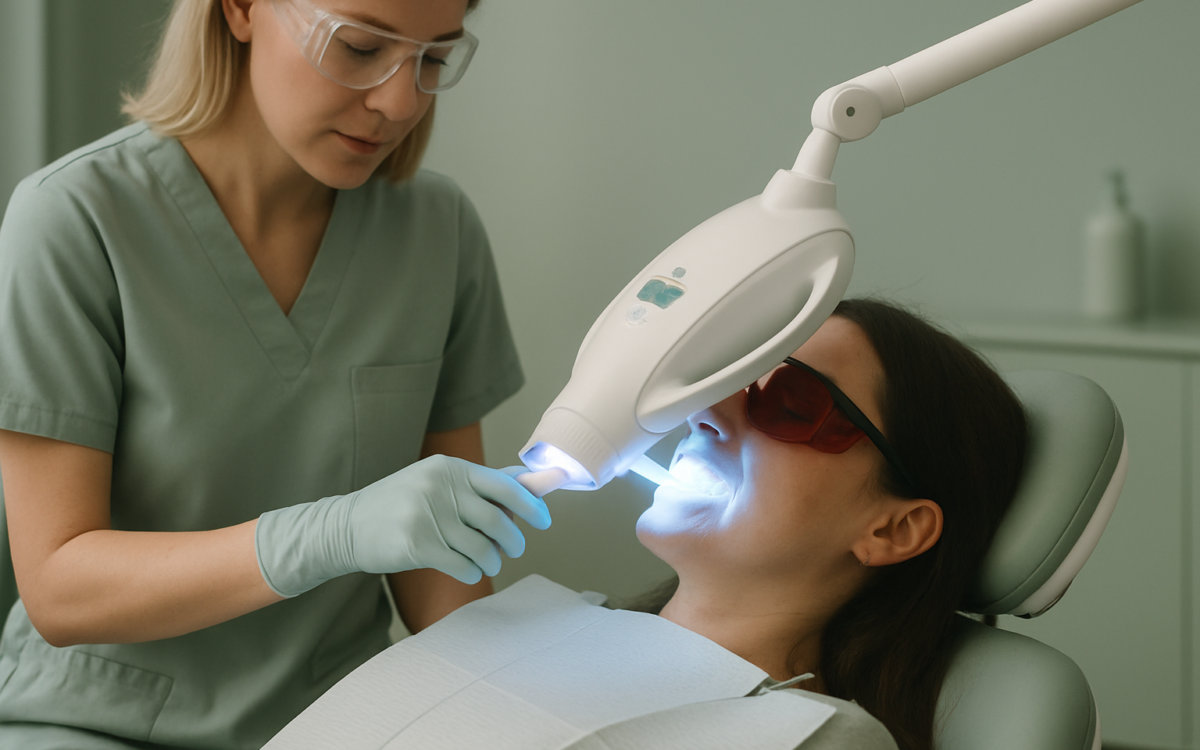
Once your teeth are clean, your dentist will apply a protective gel to your gums and then the whitening gel to your teeth. Depending on the type of treatment, a special light may be used to enhance the whitening effect.
4. Rinsing and Final Touches
After the treatment time is complete, the dentist will rinse your mouth, removing any remaining gel. You may also receive guidance on aftercare and tips for maintaining your new smile.
Expected Results and Duration
Many patients notice immediate improvements after just one session. However, results can vary depending on the individual’s teeth and the extent of staining. On average, professional teeth whitening can lighten teeth by several shades. The longevity of the results typically ranges from six months to two years, depending on lifestyle factors such as diet, smoking, and oral hygiene practices.
Maintaining Your Whitened Smile
After the treatment, it’s essential to maintain your brighter smile. Here are some tips:
- Practice good oral hygiene by brushing and flossing regularly.
- Avoid foods and beverages that may stain your teeth, such as coffee, red wine, and tobacco products.
- Consider periodic touch-up sessions to keep your smile bright.
Potential Risks and Side Effects
While professional teeth whitening is generally safe, some people experience side effects. Common issues include tooth sensitivity and gum irritation. Studies have shown that these effects are usually temporary and resolve within a few days following the treatment (source: NIH). To minimize risks, it’s crucial to consult your dentist, especially if you have sensitive teeth or existing dental issues.
Is Professional Teeth Whitening Right for You?
Professional teeth whitening may not be suitable for everyone. Those with specific dental concerns, such as tooth decay, gum disease, or dental crowns, should consult a dental professional before considering whitening treatments. Additionally, individuals who are pregnant or nursing should also speak with their healthcare provider (source: Mayo Clinic) to make an informed decision.
When to See a Doctor
If you’re experiencing persistent tooth sensitivity, gum issues, or have questions about the best whitening options for your teeth, don’t hesitate to consult your dentist. They can provide personalized recommendations and address any concerns related to your oral health.
Professional teeth whitening can be an excellent way to enhance your smile and boost your confidence. By understanding the process, potential risks, and maintenance, you can make an informed decision about whether this treatment is right for you. Always remember, good oral hygiene and regular dental visits are key to keeping that smile bright!
