
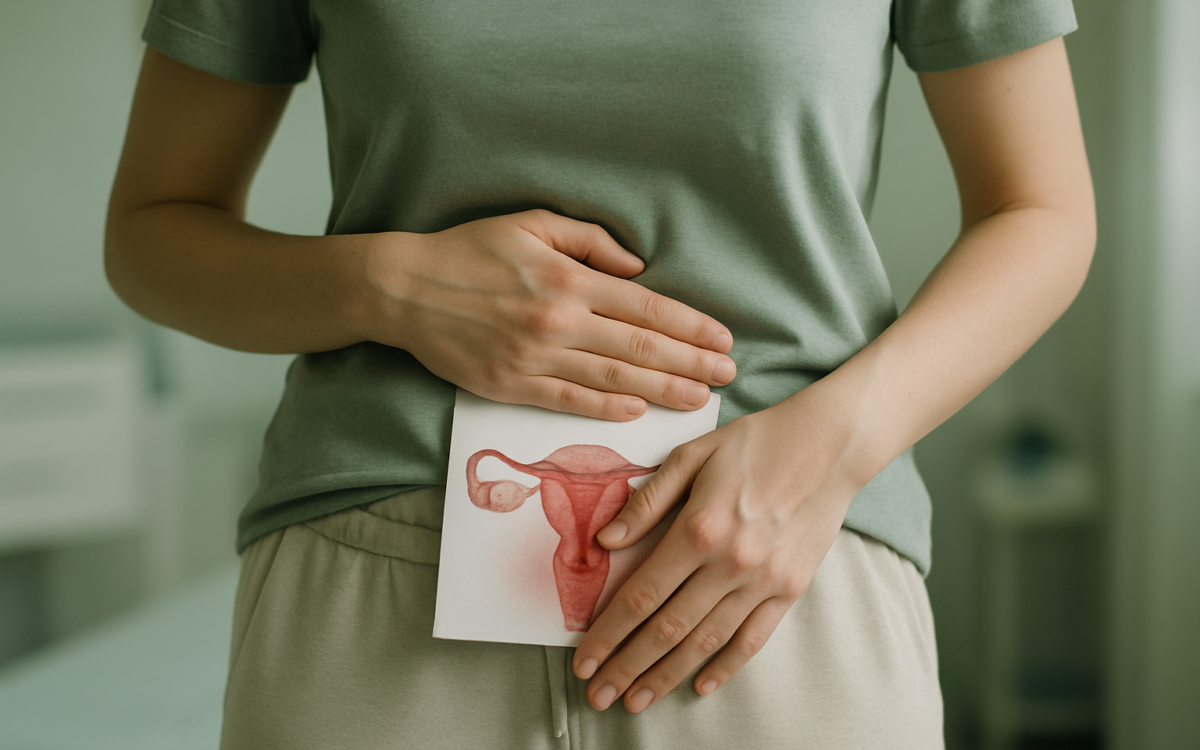
Ovarian syndrome disease, more commonly known as polycystic ovary syndrome (PCOS), is a condition that affects many women worldwide. Though it is widely recognized, there is still a significant amount of misinformation surrounding its symptoms, causes, and treatments. Understanding this complex syndrome can help women take better control of their health.
What is Ovarian Syndrome Disease?
Polycystic ovary syndrome is a hormonal disorder that can cause various health issues. It is characterized by irregular menstrual cycles, excess androgen levels (male hormones), and polycystic ovaries. Women with PCOS often struggle with weight gain, acne, and excessive hair growth due to hormonal imbalances.
Common Symptoms of Ovarian Syndrome Disease
The symptoms of ovarian syndrome disease can vary significantly from one woman to another. Some common signs include:
- Irregular Menstrual Cycles: Many women experience infrequent or prolonged periods.
- Excessive Hair Growth: Women might notice increased hair on the face, chest, and back.
- Acne and Oily Skin: Skin issues may arise, often linked to high androgen levels.
- Weight Gain: Difficulty maintaining a healthy weight is prevalent among those with PCOS.
- Infertility: Hormonal imbalances can lead to challenges in conceiving.
These symptoms can impact a woman’s quality of life and emotional well-being. If you notice any of these signs, it is essential to discuss them with a healthcare provider.
Causes and Risk Factors
While the exact cause of ovarian syndrome disease is unknown, research suggests that several factors may contribute:
- Genetics: A family history of PCOS may increase your risk.
- Insulin Resistance: Many women with PCOS have insulin resistance, which can lead to weight gain and further hormonal imbalances.
- Inflammation: Higher levels of inflammation in the body could be linked to more severe symptoms.
Recognizing these risk factors can help in understanding your health better. Regular check-ups and open discussions with healthcare providers can help in early detection and management.
Diagnosis of Ovarian Syndrome Disease
Diagnosing ovarian syndrome disease usually involves a combination of medical history review, physical examinations, and various tests. The healthcare provider might conduct blood tests to check hormone levels, as well as ultrasounds to inspect the ovaries. Often, a diagnosis is made based on the following criteria:
- Irrregular ovulation or menstrual cycles
- Signs of excess androgens
- Polycystic ovaries visible on an ultrasound
If a woman meets at least two of these criteria, she may receive a diagnosis of PCOS. It is key to remember that an accurate diagnosis can lead to effective management options.
Treatment Options
Treating ovarian syndrome disease typically focuses on managing symptoms and preventing complications. Depending on the symptoms, treatment options might include:
- Lifestyle Changes: Healthy eating and regular exercise can help manage weight, improve insulin sensitivity, and potentially restore hormonal balance.
- Medications: Hormonal birth control can help regulate menstrual cycles and reduce symptoms of excess androgens. Insulin-sensitizing medications may also be prescribed.
- Fertility Treatments: If conception is a goal, assisted reproductive techniques may be helpful.
It’s crucial for women with ovarian syndrome disease to work closely with their healthcare providers to develop a personalized treatment plan. Education and support are also valuable when navigating this condition.
Living with Ovarian Syndrome Disease
Living with ovarian syndrome disease can be challenging, but many women successfully manage their symptoms with the right support. Here are some strategies that may help:
- Join Support Groups: Connecting with other women facing similar challenges can provide emotional support and practical advice.
- Regular Check-ups: Stay on top of appointments with your healthcare provider to monitor symptoms and adjust treatments as necessary.
- Mental Health Care: Anxiety and depression can accompany PCOS; talking to a mental health professional may be beneficial.
Emphasizing a holistic approach to health can lead to better management of the syndrome and overall well-being.
When to See a Doctor
If you are experiencing irregular periods, significant weight changes, or other symptoms associated with ovarian syndrome disease, it’s important to speak with a healthcare provider. Early diagnosis and treatment can help prevent complications related to the syndrome.
Conclusion
Ovarian syndrome disease or polycystic ovary syndrome is a complex but manageable condition that affects many women. Understanding its symptoms, causes, and treatment options can empower women to seek the care they deserve. With proper management and support, women with PCOS can lead fulfilling lives. For more information, consider visiting reputable sources such as the NIH and Mayo Clinic.
