
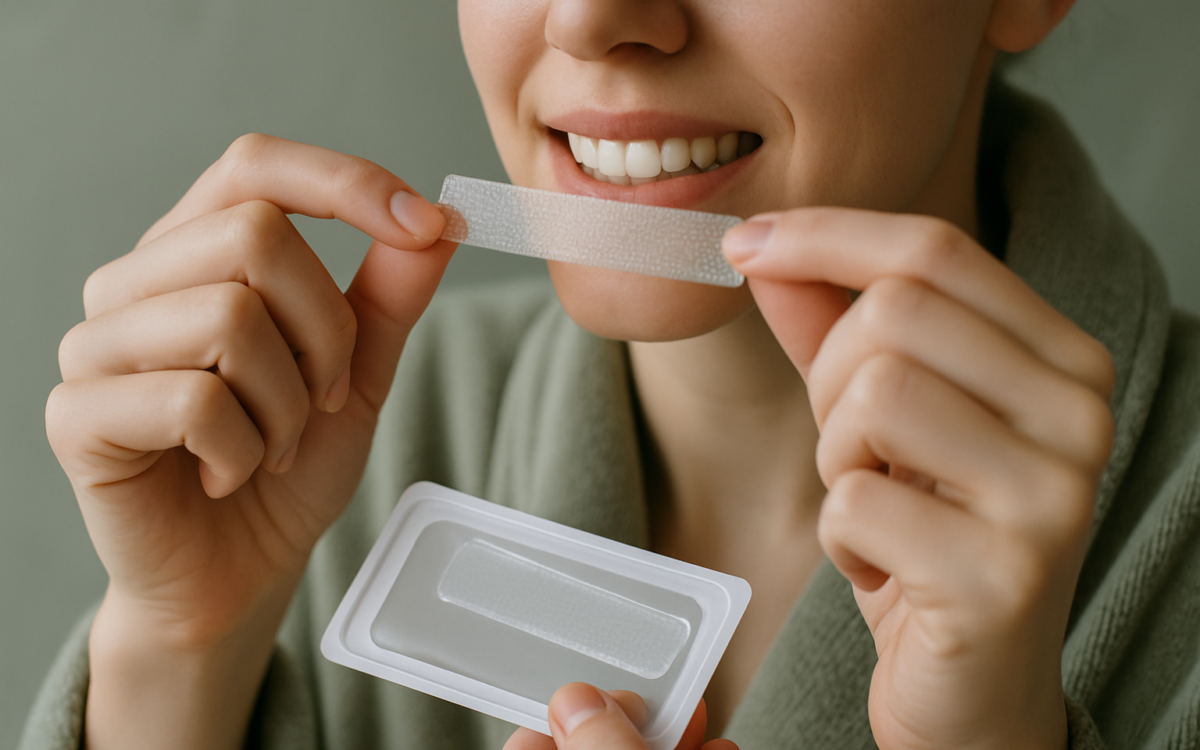
If you’ve ever wondered how to achieve a brighter, whiter smile without a trip to the dentist, you might have come across teeth whitening strips. These thin, flexible pieces of plastic coated with a peroxide-based bleaching gel have become a popular choice for many looking to improve their dental aesthetics. But how do they work? Are they safe? What should you know before incorporating them into your dental care routine? Let’s unpack the facts.
What Are Teeth Whitening Strips?
Teeth whitening strips are home-use products designed to help lighten tooth discoloration. They typically contain carbamide peroxide or hydrogen peroxide as their active ingredient. These compounds break down into oxygen molecules, which penetrate the enamel to remove stains and whiten teeth.
Whitening strips are generally sold in kits, containing multiple pairs intended for daily use over a short period, usually ranging from a few days to a few weeks, depending on the formulation and desired results.
How Do Teeth Whitening Strips Work?
When you place the strips on your teeth, the active ingredients interact chemically with the stains. The oxygen molecules released from the peroxide break the bonds of chromogens, which are the molecules that cause discoloration. This process happens over several applications, gradually lightening the shade of your teeth.
Most products recommend wearing the strips for 30 minutes to an hour, depending on the brand. The effects typically begin to show after about three to four days, with optimal results visible after a week or two. However, results can vary from person to person.
Effectiveness of Teeth Whitening Strips
Studies have shown that teeth whitening strips can effectively reduce tooth discoloration, particularly from coffee, tea, and tobacco. For example, a study published in the Journal of Dentistry found that users of these strips often reported brighter smiles after consistent use.
It’s important to note that while these strips can improve the whiteness of your teeth, they may not work as well for all types of discoloration, especially those caused by certain medications or the natural aging process. In such cases, professional dental treatments may be more effective.
Are Teeth Whitening Strips Safe?
For most people, teeth whitening strips are considered safe when used as directed. However, common side effects may include temporary tooth sensitivity and gum irritation. According to the Mayo Clinic, these effects are usually mild and resolve after discontinuing use.
Individuals with dental issues, such as cavities, gum disease, or sensitive teeth, should consult with a dental professional before starting any whitening regimen. It’s also crucial to follow the manufacturer’s instructions carefully to avoid overuse, which could lead to more pronounced side effects.
Tips for Using Teeth Whitening Strips Effectively
- Read the Instructions: Always follow the specific directions on the package regarding application time and frequency.
- Brush Before Use: Brush your teeth before applying the strips, ensuring they adhere properly and can penetrate effectively.
- Avoid Staining Foods: After using the strips, try to avoid foods and drinks that can stain your teeth, such as coffee, red wine, and berries.
- Maintain Good Oral Hygiene: Keeping up with regular dental care, including brushing and flossing, enhances the whitening effect and helps maintain a healthy smile.
- Consult Your Dentist: For personalized advice and to explore other options, it’s wise to discuss teeth whitening with your dentist.
Common Myths about Teeth Whitening Strips
With the rise in popularity of teeth whitening strips, several myths have also emerged. Let’s debunk a few:
- All Whitening Products Are the Same: Not all strips are equally effective. Some may contain higher concentrations of bleach, while others may be milder. Always check the ingredients.
- Whitening Strips Destroy Enamel: When used correctly, whitening strips do not harm tooth enamel. However, overuse them can lead to sensitivity.
- They Work Instantly: Many people expect dramatic results overnight, but gradual improvements are typical.
When to See a Doctor
If you experience severe tooth sensitivity, persistent gum irritation, or if you have underlying dental problems, it’s essential to consult your dentist. They can provide tailored advice and treatment options suitable for your condition. Regular dental check-ups can also help you maintain the health of your teeth and gums while keeping your smile bright.
In summary, teeth whitening strips can be an effective and convenient option for enhancing your smile. While they are primarily safe for most users, it’s crucial to be informed about their use, effects, and limitations. Remember, the best path to a healthy and radiant smile lies in comprehensive dental care and professional guidance when needed.
