
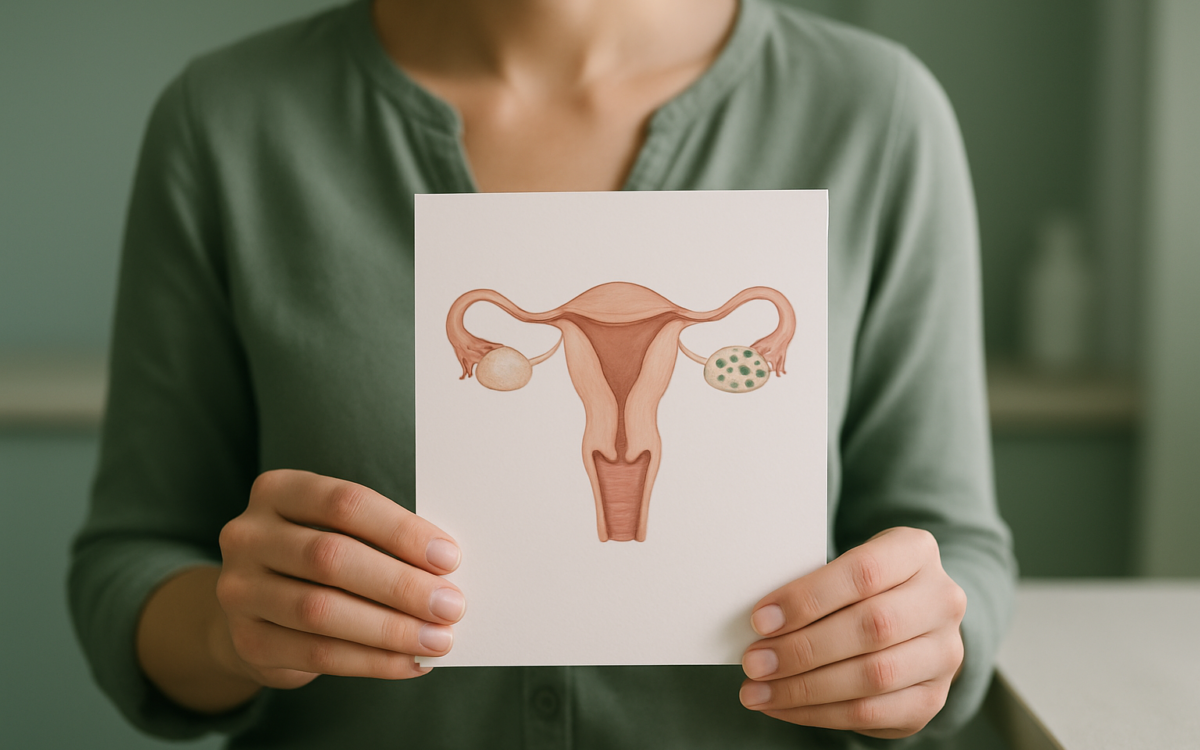
Polycystic Ovary Syndrome (PCOS) affects millions of women worldwide, making it one of the most common hormonal disorders. For many, learning about PCOS is the first step toward understanding their health challenges. This article dives into the causes, symptoms, and treatment options available for those affected by this condition.
What is PCOS?
PCOS is a hormonal disorder that can disrupt a woman’s menstrual cycle, fertility, and overall health. It occurs when the ovaries produce an excess of androgens, which are often referred to as male hormones, though they are present in lower amounts in women. The condition is called “polycystic” because many small cysts often form on the ovaries, though not every woman with PCOS has cysts.
Common Symptoms of PCOS
Women with PCOS may experience a variety of symptoms, which can differ significantly from one person to another. Here are some common signs:
- Irregular Menstrual Cycles: Many women with PCOS have infrequent or prolonged periods.
- Excess Hair Growth: Increased hair growth on the face, chest, or back (hirsutism) is common.
- Weight Gain: Many women with PCOS struggle with obesity or have difficulty losing weight.
- Acne and Oily Skin: Hormonal imbalances can lead to skin issues.
- Thinning Hair: Some women experience hair loss on the scalp.
While these symptoms can indicate PCOS, having one or more does not necessarily mean that a person has the condition. Diagnosis often requires further evaluation by a healthcare professional.
How is PCOS Diagnosed?
A diagnosis of PCOS typically involves several steps:
- Medical History: The doctor will ask about menstrual cycles, symptoms, and family history.
- Physical Exam: A physical examination may look for signs of excess hair growth or acne.
- Blood Tests: Blood tests check hormone levels and rule out other potential issues.
- Ultrasound: A pelvic ultrasound can visualize the ovaries and check for cysts.
According to the National Institutes of Health (NIH), an accurate diagnosis is crucial, as it can help guide appropriate treatment options and management strategies.
Managing PCOS Symptoms
While there is no cure for PCOS, various treatment strategies can help manage its symptoms. These may include:
- Lifestyle Changes: Eating a balanced diet and engaging in regular physical activity can help manage weight and alleviate symptoms.
- Medications: Hormonal contraceptives can regulate menstrual cycles and reduce hirsutism. Other medications like metformin can help with insulin resistance, which is common in PCOS.
- Fertility Treatments: If a woman with PCOS is trying to conceive, certain medications can stimulate ovulation.
Some women consider seeking treatment in Turkey for a broader range of options and specialized care in managing PCOS.
Long-term Health Risks Associated with PCOS
Women with PCOS face several potential long-term health risks. These include:
- Type 2 Diabetes: Insulin resistance linked to PCOS can increase the risk of developing diabetes.
- Heart Disease: The condition can contribute to various cardiovascular issues.
- Endometrial Cancer: Irregular periods may lead to a higher risk of this type of cancer.
Regular check-ups and monitoring are essential for women with PCOS to help mitigate these risks and promote overall health.
Helpful Resources for Women with PCOS
Connecting with support groups or resources can be invaluable. Many organizations offer information, tips, and a sense of community for women dealing with PCOS. Some reputable resources include:
These organizations provide credible information on PCOS and support options available.
When to See a Doctor
If you suspect you have PCOS due to symptoms like irregular periods or excessive hair growth, it’s important to consult a healthcare provider. A doctor can help determine the best course of action and rule out other potential health problems.
Remember, understanding PCOS and seeking timely help can lead to effective management and an improved quality of life. Early intervention is key to mitigating the symptoms and addressing the long-term health risks associated with this condition.
In conclusion, PCOS is a complex condition that affects many women across the globe. By recognizing the symptoms and understanding the importance of diagnosis and management, women can take charge of their health effectively.
