
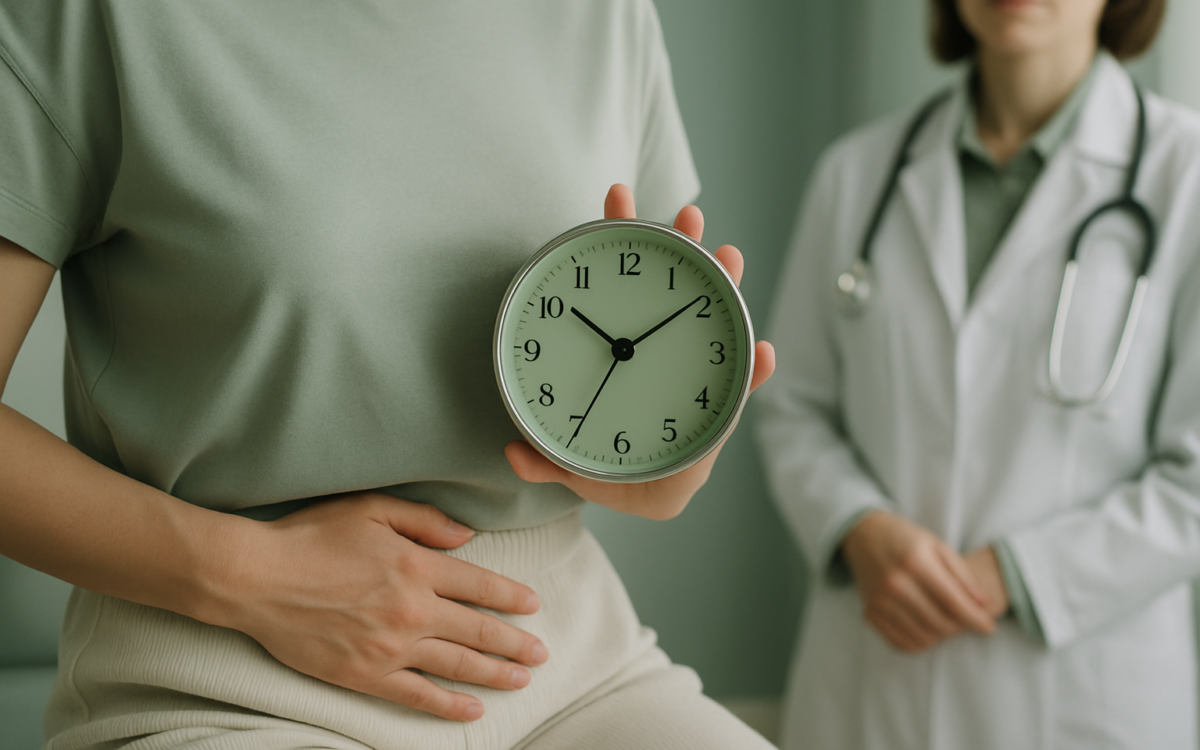
Perimenopause is a natural phase in every woman’s life, marking the transition into menopause. This period can stir up various emotions and questions, especially when it comes to understanding its onset. As the body undergoes hormonal changes, it’s essential to know what to expect during this time.
What is perimenopause?
Perimenopause refers to the transitional years leading up to menopause, the point when menstruation has ceased for a full year. This phase can last anywhere from a few months to several years, typically starting in a woman’s 40s, although it can begin as early as her mid-30s.
When does perimenopause start?
Most women begin to experience perimenopause in their 40s, but some may notice changes much earlier. The initiating signs can include:
- Irregular menstrual cycles
- Hot flashes or night sweats
- Mood swings or changes in emotional health
- Sleep disturbances
The exact start and duration vary from woman to woman, heavily influenced by genetics, lifestyle, and overall health. Notably, hormonal fluctuations occur before the body reaches full menopause, during which estrogen and progesterone levels can fluctuate significantly.
Common symptoms of perimenopause
As perimenopause progresses, many women encounter a range of symptoms stemming from hormones playing their usual ups and downs:
- Menstrual irregularities: Cycles may become shorter or longer or miss altogether.
- Hot flashes: Sudden warmth, typically accompanied by sweating and discomfort.
- Sleep issues: Insomnia or wakefulness can be common. Night sweats often contribute to sleep disruption.
- Mood fluctuations: Some women report increased irritability or mood swings.
- Vaginal dryness: The decrease in estrogen can impact lubrication.
While these symptoms are completely normal, their severity can differ widely. It’s important to note that not every woman will experience all these changes.
Differences between perimenopause and menopause
Understanding perimenopause in contrast to menopause is crucial, as the two stages carry different markers. While perimenopause refers to the transition, menopause is defined as the time when a woman has not had a period for a full 12 months.
During perimenopause, women might still have some menstrual cycles and can occasionally conceive. In comparison, menopause signals the end of the reproductive years and generally occurs between ages 45 and 55.
Global perspectives on perimenopause treatment
Women worldwide experience perimenopause differently, influenced by cultural, social, and medical factors. In many countries, understanding and acceptance of perimenopause vary widely. For instance, women in urban centers might have better access to healthcare and resources to manage symptoms.
Internationally recognized treatment options include hormonal therapies, lifestyle changes, and alternative therapies. If you’re exploring options, you might consider looking into facilities like acibademinternational.com, which offer various approaches adapted to individual needs.
Living through perimenopause
Embracing this change can be challenging but also an opportunity to reconnect with oneself. A focus on physical activity, nutrition, and emotional well-being can support this transition. Here are some tips for navigating perimenopause:
- Stay active: Regular exercise can help alleviate symptoms and improve overall mood.
- Eat a balanced diet: Nutrient-rich foods can support hormonal balance and overall health.
- Connect with others: Sharing experiences with friends or online communities can provide comfort and ideas on coping strategies.
Remember, it’s equally important to speak with a healthcare professional to develop a personal wellness plan during this transitional phase.
When to see a doctor
If you experience severe symptoms that disrupt your daily life, it’s wise to consult a healthcare provider. Seek guidance if you notice:
- Intense mood swings that don’t seem manageable
- Severe hot flashes or night sweats
- Heavy or prolonged menstrual bleeding
- Vaginal dryness causing discomfort during sexual intercourse
A doctor can offer support, resources, or treatments tailored to individual needs, helping you to navigate this transition more comfortably.
In summary, perimenopause is a normal part of life that can unfold at various ages and in diverse ways. Understanding its signs, symptoms, and treatments can empower women to approach this stage with knowledge and confidence.
