
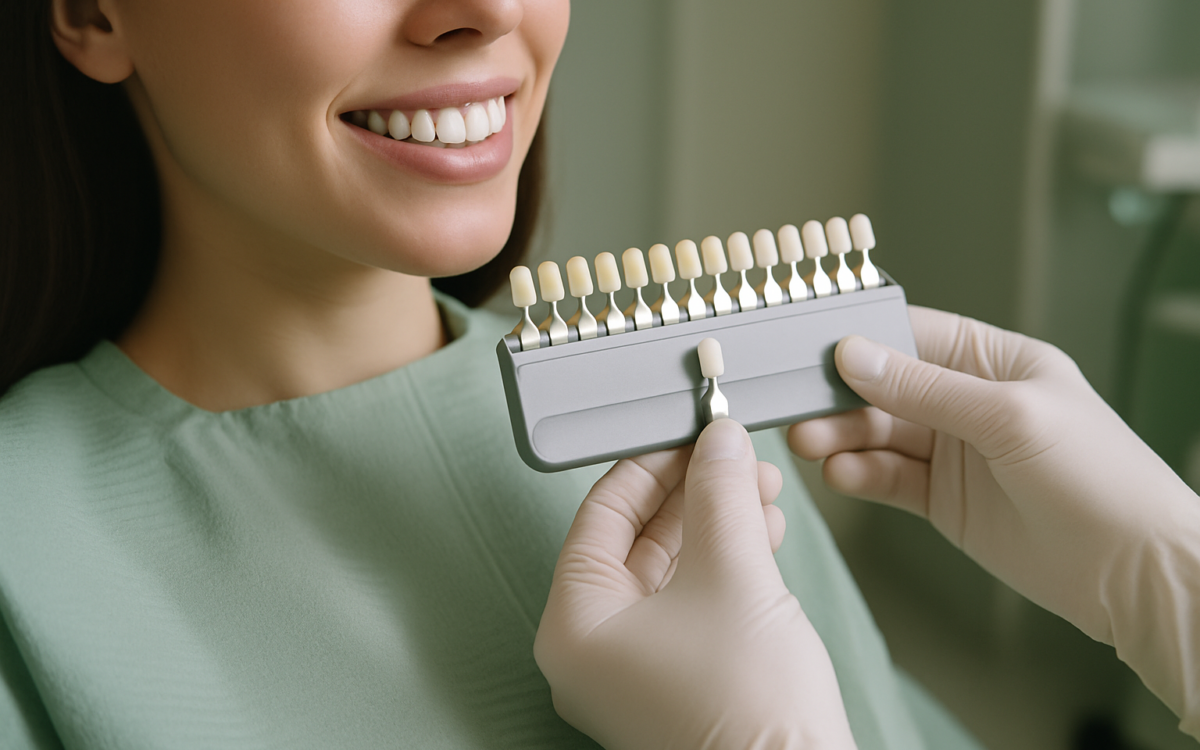
A bright, white smile can enhance your confidence and make a lasting impression. Teeth whitening has become a popular choice for those looking to improve their dental aesthetics. With various options available, from professional treatments to at-home solutions, it’s essential to find the method that best suits your needs. In this guide, we’ll dive into the best teeth whitening techniques, helping you make an informed decision on your journey to a dazzling smile.
Understanding Teeth Discoloration
Before we explore whitening options, it’s helpful to understand why teeth can become discolored. Many factors contribute to the dullness of our teeth:
- Food and Drinks: Beverages like coffee, tea, red wine, and dark sodas can stain tooth enamel over time.
- Tobacco Use: Smoking or chewing tobacco can lead to significant discoloration.
- Age: As we age, our enamel thins, revealing more of the dentin—a yellowish material beneath the enamel.
- Medications: Certain medications, like tetracycline antibiotics or some antihistamines, can affect tooth color.
- Fluorosis: High fluoride concentration during childhood can lead to whitish spots on teeth.
Understanding these factors can help you identify your specific discoloration issues when considering whitening treatments.
Professional Teeth Whitening Treatments
If you’re looking for fast and effective results, professional teeth whitening by a dentist is often the best route. Here are the main methods:
In-Office Whitening
In-office treatments use powerful bleaching agents that can lighten teeth several shades in just one visit. Dentists usually apply a protective gel to your gums before using a strong peroxide whitening agent that is activated by light or heat. This method typically yields the quickest and most noticeable results.
Take-Home Kits
Many dentists offer take-home kits that are personalized for your smile. These kits include custom-fitted trays and bleaching gels that can provide effective results over a couple of weeks. Your dentist will guide you on how to use them safely.
Laser Whitening
Laser whitening is another in-office option where a laser activates a specially formulated whitening gel. This method can also deliver dramatic results quickly, although it can be more expensive than other professional options.
Over-the-Counter Teeth Whitening Products
Over-the-counter (OTC) products can provide excellent results if you’re seeking cost-effective options. Here are some popular choices:
Whitening Toothpastes
Many toothpaste brands now offer whitening formulas that contain mild abrasives and chemical agents. While results may be subtle, these products can help remove surface stains with regular use.
Whitening Strips
Whitening strips are thin, flexible plastic strips coated with a hydrogen peroxide gel. These can be applied directly to your teeth for a specific duration each day. They are generally easy to use and can lighten teeth effectively over a few weeks.
Whitening Pens
Whitening pens are portable products that allow you to apply a whitening solution directly to your teeth. While they are convenient for touch-ups, they may not provide results as significant as strips or professional whitening.
Natural Teeth Whitening Remedies
For those looking for a more natural approach, several home remedies can help brighten your smile. While results may vary, they are worth exploring:
Baking Soda
Baking soda has natural abrasive properties that can help remove stains. Mix it with water to form a paste and use it to brush your teeth a few times a week.
Activated Charcoal
Activated charcoal is believed to absorb stains and toxins. You can find it in various dental products or use powdered charcoal to brush your teeth. Be cautious, as overuse can lead to enamel erosion.
Coconut Oil Pulling
This age-old method involves swishing coconut oil in your mouth for about 10-20 minutes. Advocates claim it can help reduce plaque and improve oral health, but scientific evidence on its effectiveness for teeth whitening is limited.
Maintaining Your Bright Smile
Once you’ve achieved the desired whiteness, it’s vital to maintain your results:
- Good Oral Hygiene: Brush and floss daily to prevent new stains.
- Mouthwash: Use a whitening mouthwash regularly.
- Limit Staining Foods: Reducing your consumption of coffee, tea, red wine, and tobacco can help keep your smile bright.
- Regular Dental Visits: Regular cleanings can help remove surface stains and maintain your bright smile.
When to See a Doctor
If you’re considering teeth whitening, it’s wise to consult your dentist, especially if you have sensitive teeth, gum issues, or dental restorations. They can provide personalized advice and ensure that you choose a method that is safe and suitable for your oral health.
Some signs that you should see a dentist include severe tooth sensitivity, pain during whitening treatments, or if you notice any changes in your gum health.
For additional information on dental health and teeth whitening, visit trusted sources like the Mayo Clinic or CDC.
In conclusion, achieving a brighter smile is within your reach through various teeth whitening options, whether professional treatments or at-home solutions. By understanding the available methods and maintaining good oral hygiene, you can enjoy a radiant smile that boosts your confidence and well-being.
