
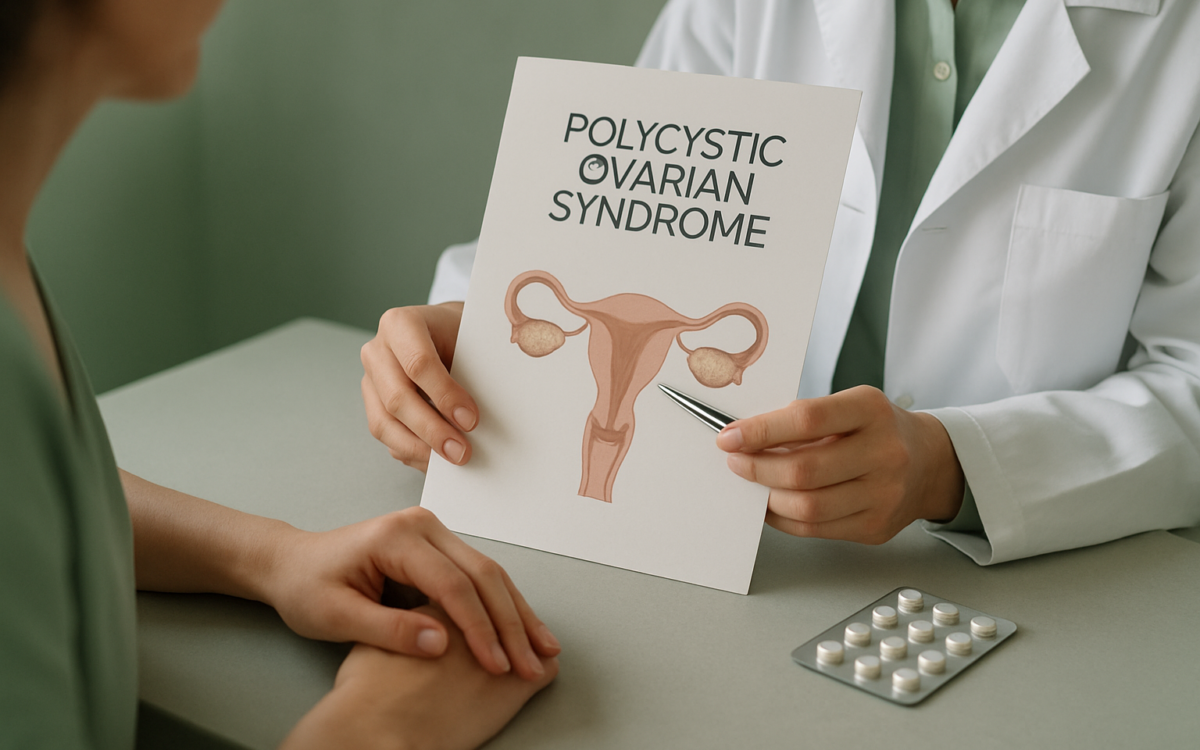
Polycystic ovarian syndrome (PCOS) is a hormonal disorder that affects many women during their reproductive years. It can cause a range of symptoms, including irregular periods, weight gain, acne, and excessive hair growth. Understanding how to treat and manage PCOS is crucial in alleviating symptoms and reducing the risk of long-term health issues. In this article, we will explore various approaches to treating PCOS, from lifestyle changes to medical interventions.
Understanding PCOS
Polycystic ovarian syndrome is one of the most common endocrine disorders affecting women, with an estimated prevalence of 8% to 20% worldwide (NIH). Women with PCOS may have elevated levels of androgens, which are sometimes referred to as male hormones, although they are present in both men and women. This hormonal imbalance can lead to the development of numerous small cysts on the ovaries, hence the name of the condition.
Symptoms of PCOS
The symptoms of PCOS can vary widely among women, but common ones include:
- Irregular menstrual cycles
- Excess hair growth on the face, chest, or back
- Acne and oily skin
- Weight gain or difficulty losing weight
- Thinning hair or hair loss
- Infertility
If you experience any combination of these symptoms, it’s important to seek advice from a healthcare professional.
Lifestyle Changes
Making certain lifestyle changes can significantly improve symptoms of PCOS. Here are some effective strategies:
Dietary modifications
A balanced diet focusing on whole foods can be beneficial. Consider the following tips:
- Incorporate more fruits, vegetables, and whole grains.
- Limit refined carbohydrates and sugars.
- Opt for lean protein sources, such as poultry, fish, legumes, and low-fat dairy.
Some studies suggest that a low-carbohydrate diet might be particularly effective in managing weight and improving insulin sensitivity in women with PCOS (Mayo Clinic).
Exercise
Regular physical activity plays a vital role in managing PCOS. Aim for at least 150 minutes of moderate aerobic exercise each week. This can include activities such as:
- Brisk walking
- Cycling
- Swimming
- Group fitness classes
Incorporating strength training exercises at least twice a week can also help improve insulin sensitivity and boost metabolism.
Medical Treatments
If lifestyle changes alone do not bring relief, medical treatments may be necessary. Here are some common options:
Hormonal birth control
Combined hormonal contraceptives, such as birth control pills, can help regulate menstrual cycles and reduce symptoms like acne and excessive hair growth. These medications work by lowering the level of androgens in the body, thereby improving hormonal balance.
Metformin
Metformin is a medication typically used to manage type 2 diabetes. It can be prescribed for women with PCOS to help improve insulin sensitivity, aid in weight loss, and restore normal ovulation. This can also enhance fertility for women looking to conceive.
Anti-androgen medications
Medications such as spironolactone may be prescribed to address symptoms related to high androgen levels, such as hair loss and excessive hair growth. This treatment can help inhibit the effects of androgens on hair follicles and skin.
Fertility Treatments
For women with PCOS who are facing difficulties with conception, fertility treatments may be necessary. Options include:
Ovulation induction
Medications such as clomiphene citrate or letrozole can stimulate the ovaries to help induce ovulation, enhancing the chances of conception.
Assisted reproductive technology (ART)
If ovulation induction medications do not work, assisted reproductive technology methods like in vitro fertilization (IVF) may be recommended. These methods can help women with PCOS achieve pregnancy.
Other Considerations
In addition to the treatments mentioned above, managing stress and ensuring regular health check-ups are important for women with PCOS. Stress-reduction techniques, such as yoga, meditation, or deep-breathing exercises can be beneficial.
Because PCOS has been linked to an increased risk of conditions such as type 2 diabetes, high blood pressure, and heart disease, regular screenings for these conditions are advisable.
When to see a doctor
If you suspect you have PCOS or are experiencing symptoms such as irregular periods, weight changes, or excessive hair growth, it’s important to consult with a healthcare provider. Early diagnosis and treatment can help manage symptoms effectively and reduce long-term health risks.
Since PCOS is a complex condition that varies from person to person, an individualized treatment plan developed in consultation with a healthcare professional is essential.
Conclusion
While polycystic ovarian syndrome can present various challenges, understanding its symptoms and treatment options can empower women to take control of their health. By combining lifestyle changes with medical treatments, many women successfully manage PCOS and lead fulfilling lives. Always consult your healthcare provider to develop a plan that is right for you.
