
Many of us dream of a bright, white smile. It’s often seen as a sign of health and attractiveness. Whether we’re dressing for a job interview, preparing for a wedding, or simply wanting to boost our confidence, having whiter teeth can make a significant difference. But what are the options available for dental whitening, and how do they work?
Understanding Dental Whitening
Dental whitening refers to procedures that lighten the color of your teeth. This can involve removing stains or discoloration caused by food, drinks, tobacco, or even aging. The main goal is to restore the natural color of the teeth or to make them even whiter than that. You can choose from several options, each with its own set of benefits and considerations.
Whitening Toothpaste
One of the simplest ways to start whitening your teeth is by using whitening toothpaste. These toothpastes contain mild abrasives and chemical agents that help remove surface stains. While they can be effective, whitening toothpastes typically do not change the natural color of your teeth significantly. Most of them can brighten your smile by just one shade.
How to Choose a Whitening Toothpaste
When looking for a whitening toothpaste, check for the American Dental Association (ADA) Seal of Acceptance. This seal indicates that the toothpaste is safe and effective. Remember to continue regular brushing habits and visit your dentist for maximum benefit.
Over-the-Counter Whitening Products
Over-the-counter (OTC) products like whitening strips and gels can provide more noticeable results than toothpaste. These products often contain hydrogen peroxide or carbamide peroxide, which help to lighten stains deeper in the teeth. Generally, these treatments are easy to use and can be applied at home.
Considerations for OTC Products
While OTC whitening products are convenient, results can vary. It’s important to follow the instructions carefully to avoid sensitivity or uneven whitening. People with certain dental conditions or those who have dental work done, like crowns or fillings, should consult their dentist before using these products.
Professional In-Office Treatments
If you’re looking for dramatic results, consider professional whitening treatments conducted in your dentist’s office. These treatments often use a higher concentration of whitening agents and can offer results in a single visit.
How Professional Treatments Work
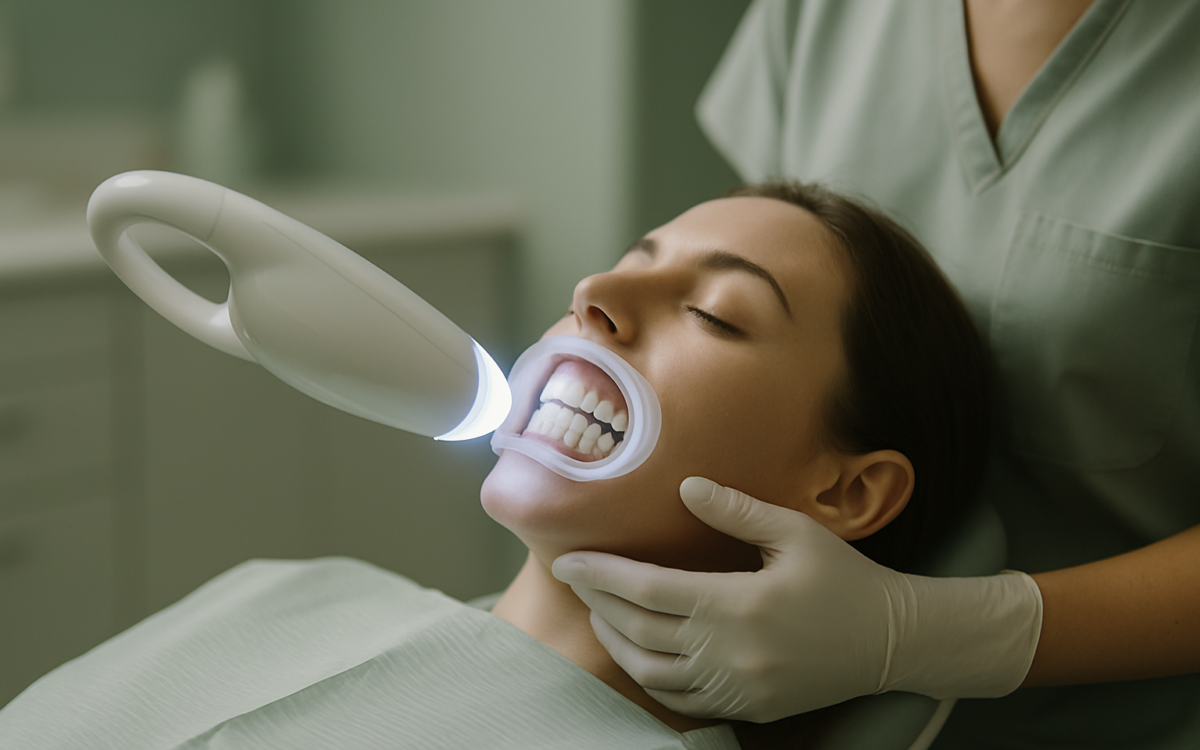
During a professional whitening session, your dentist may use a special light or laser to enhance the whitening process. These treatments can lighten your teeth by several shades and are typically safe when performed by a qualified professional. However, they might come at a higher price compared to home methods.
Cost and Access to Treatment
The cost of dental whitening can vary significantly depending on the method chosen. OTC products tend to be more affordable, generally ranging from $20 to $50. Professional treatments might cost anywhere from $300 to $1,000 or more due to their effectiveness and the expertise involved.
If you’re considering dental whitening overseas, options such as treatment in Turkey can be more budget-friendly while still providing high-quality care. Many international clinics adhere to strict safety standards and can offer perhaps even more advanced whitening technologies.
Safety and Side Effects
While most whitening treatments are safe, there are potential side effects worth noting. Some people experience tooth sensitivity or gum irritation after treatments. Usually, these side effects are temporary and resolve on their own. It’s crucial to limit the frequency of whitening to avoid damaging the enamel of your teeth or your gums.
Maintaining Your Bright Smile
Once you achieve your desired shade, maintaining that bright smile is important. Here are some tips:
- Avoid food and drinks that stain, such as coffee, tea, red wine, and dark berries.
- Continue to brush regularly with fluoride toothpaste.
- Visit your dentist for cleanings every six months.
- If you smoke, consider quitting to prevent future stains.
When to See a Doctor
If you experience severe tooth sensitivity, persistent pain, or gum issues, it’s essential to consult your dentist. They can assess your situation and help you find the best course of action for your dental health.
A bright, white smile can be within reach. Whether you opt for simple toothpaste or professional treatments, understanding the options available enables you to make informed choices about your dental care. Remember that everyone’s teeth are unique, so what works for one person may not work for you. Don’t hesitate to seek advice from your dental professional to find the best whitening approach tailored to your needs.
