
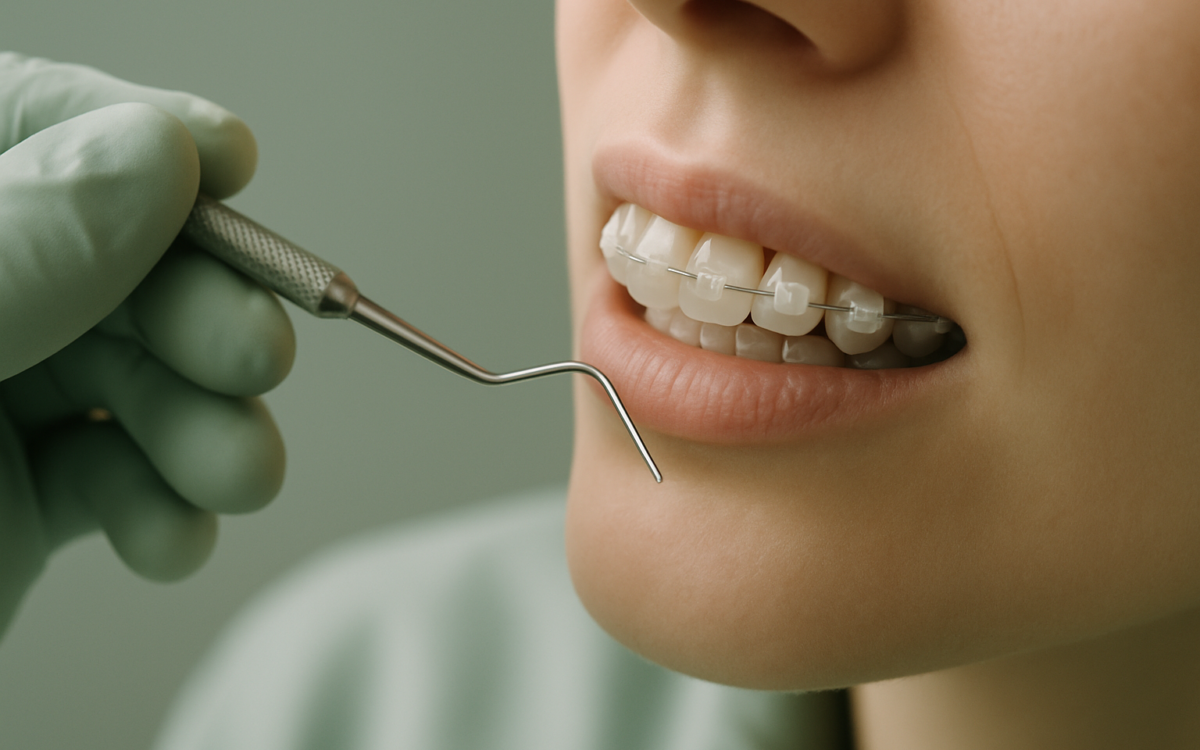
Ceramic braces are gaining popularity among people seeking orthodontic treatment. They provide a more aesthetically pleasing option compared to traditional metal braces. With their tooth-colored or clear brackets, ceramic braces blend in with your natural teeth, making them a preferred choice for both teenagers and adults.
What Are Ceramic Braces?
Ceramic braces function similarly to traditional metal braces. They consist of brackets, wires, and elastic ties that work together to gradually move teeth into their desired positions. However, the primary difference lies in the materials used: ceramic braces have brackets made of transparent or tooth-colored ceramic. This feature gives them a more subtle appearance, which many patients find appealing.
Benefits of Ceramic Braces
Ceramic braces come with several benefits:
- Discreet Appearance: Their tooth-colored or clear design makes them less noticeable compared to metal braces, which can be especially important for adults in professional settings.
- Effective Treatment: Ceramic braces are as effective as metal braces in correcting misalignments, though they might take slightly longer to achieve desired results.
- Versatility: They can treat a wide range of orthodontic issues, including crowding, spacing, and bite problems.
- Customizable Options: Patients often have the option to choose different colors for the elastic ties, allowing for some personalization.
Care and Maintenance
Taking care of ceramic braces is essential for maintaining oral hygiene and ensuring successful treatment.
Daily Cleaning
Brushing your teeth after every meal is vital when you have braces. Food particles can easily get stuck in the brackets and wires. Use a soft-bristled toothbrush and fluoride toothpaste to thoroughly clean your teeth and braces. Flossing is equally important; consider using a floss threader or orthodontic floss to navigate around the braces.
Choosing the Right Foods
Some foods can be troublesome for ceramic braces. Sticky or hard foods like caramel, nuts, and hard candies can damage the brackets or wires. It’s best to avoid these types of foods during the treatment. Instead, stick to softer fruits and steamed vegetables while keeping your diet balanced.
Comparing Ceramic Braces to Other Options
When considering orthodontic treatment, it’s wise to explore different options available. Here’s how ceramic braces stand against some alternatives:
Metal Braces
Metal braces are the most common orthodontic treatment and are often less expensive than ceramic braces. However, they are more visible and not as aesthetically pleasing for those concerned about appearance.
Clear Aligners
Clear aligners, such as Invisalign, are another popular option. They are removable and virtually invisible, making them a convenient choice. However, they may not be suitable for complex cases requiring more controlled dental movements.
Potential Drawbacks
While ceramic braces have many advantages, they also come with some potential drawbacks:
- Durability: Ceramic brackets are more brittle than metal ones, making them more prone to breakage if subjected to excessive force.
- Staining: The clear bands that hold the wires in place can stain over time, especially if they come into contact with foods or drinks that are heavily pigmented, like coffee or berry juices.
- Cost: Ceramic braces can be more expensive than traditional metal braces, so it’s essential to consider your budget.
Who Should Consider Ceramic Braces?
Ceramic braces are suitable for various people, including:
- Teens who are conscious of their appearance but require orthodontic treatment.
- Adults who may feel self-conscious about wearing traditional metal braces.
- Individuals with mild to moderate orthodontic issues.
When to See a Doctor
If you are experiencing pain, discomfort, or any issues with your ceramic braces, it’s essential to consult your orthodontist. Ignoring these signs can lead to complications, and an orthodontist can provide appropriate remedies or adjustments.
Conclusion
Ceramic braces offer a discreet way to achieve a beautiful smile, making them a popular choice for many. While they come with some challenges, their aesthetic benefits and effectiveness can outweigh the drawbacks. If you’re considering ceramic braces, consult an orthodontist to understand your options better and find the best treatment plan tailored to your needs. For more information, you can check resources like the NIH and the Mayo Clinic for trusted health information.
