
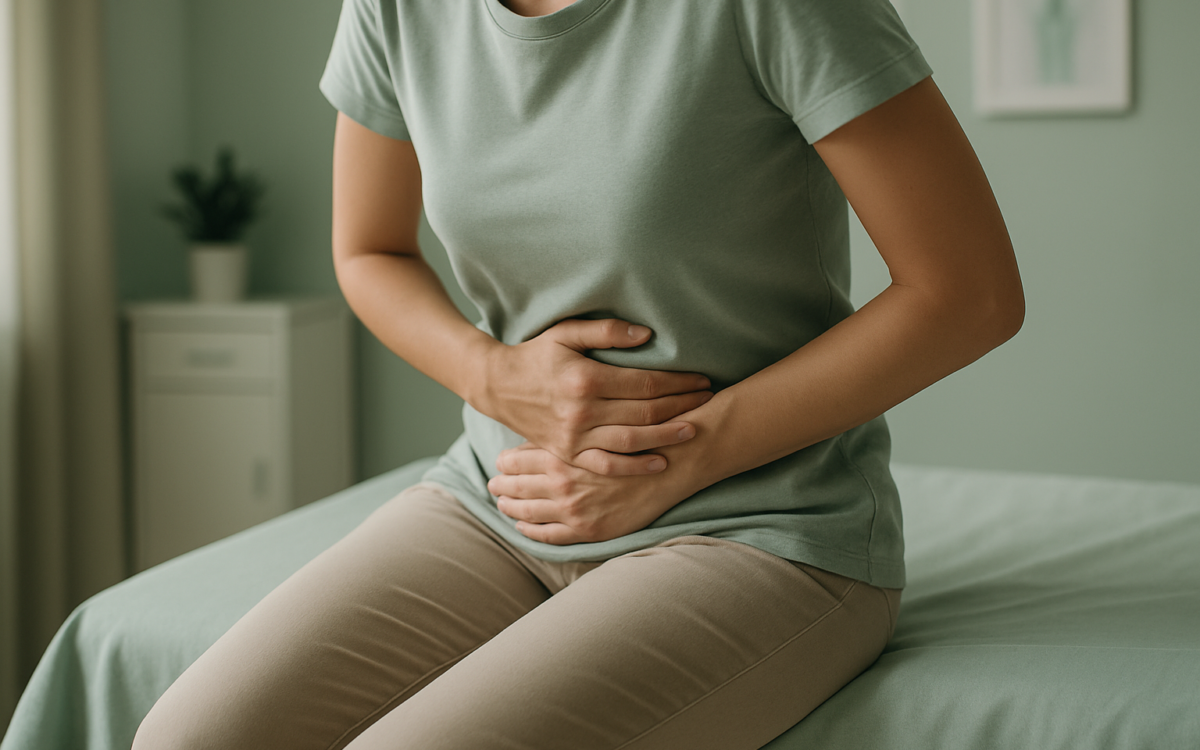
Cramps without the presence of menstruation can be puzzling and concerning for many individuals. While menstrual cramps are a common experience, the absence of a period coupled with abdominal discomfort can leave one wondering what’s going on. Understanding the potential causes of such cramps can shed light on the situation and assist in making informed decisions about health.
What Are Cramps?
Cramps are painful, involuntary contractions of muscles. They can occur in various parts of the body, but when we talk about menstrual cramps, we usually refer to discomfort in the lower abdomen caused by the uterus contracting to shed its lining during a period. However, cramps can also happen at times when one might not expect them, such as in the case of no menstruation.
Common Causes of Cramps Without Menstruation
Several factors can contribute to the occurrence of cramps in the absence of menstruation. It’s essential to consider both physiological and pathological reasons:
- Ovulation: Some people experience Mittelschmerz, or ovulation pain, which can feel like cramping. Ovulation typically occurs about 14 days before the next expected period.
- Pregnancy: Cramps can occur in early pregnancy as the body adjusts to the developing fetus. Sometimes, implantation cramps may mimic painful menstrual cramps.
- Hormonal Imbalances: Irregular hormone levels can disrupt the menstrual cycle and lead to cramping without a period. Conditions like polycystic ovary syndrome (PCOS) can cause these changes.
- Pelvic Inflammatory Disease (PID): PID is an infection of the reproductive organs that can result in abdominal cramps. It is essential to recognize other signs, such as fever or unusual discharge.
- Endometriosis: This condition occurs when tissue similar to the uterine lining grows outside the uterus, causing significant pain and cramps, even during times when menstruation isn’t occurring.
- Stress and Lifestyle Factors: High levels of stress, significant weight changes, or rigorous exercise can influence the menstrual cycle and contribute to cramping.
When Cramps Might Indicate a Concern
While cramps can often be a normal bodily reaction, certain warning signs accompanying cramps may indicate more serious health issues:
- Severe pain: If cramps are intense and last for an extended period, it may be a sign of a more serious issue.
- Changes in menstrual patterns: Irregularities, such as missed periods or unexpected bleeding, are essential to address.
- Presence of other symptoms: Symptoms such as fever, nausea, vomiting, or unusual discharge warrant immediate medical attention.
Understanding the Role of Hormones
The menstrual cycle is significantly regulated by hormones. Any alterations in hormone levels can affect menstruation and cause cramps:
- Estrogen and Progesterone: These hormones prepare the body for menstruation. If levels are off-balance due to various factors (like stress, weight gain, etc.), it can lead to cramps.
- Thyroid Hormones: An underactive or overactive thyroid can lead to irregular menstrual cycles and cramping.
Consulting healthcare providers can help assess hormone levels and identify any underlying issues that need to be addressed.
Self-Care Strategies for Managing Cramps
When experiencing cramps without menstruation, there are several self-care techniques that may provide relief:
- Heat application: Using a heating pad or hot water bottle on the abdomen can soothe cramps.
- Hydration: Staying well-hydrated can help reduce the severity of cramps.
- Regular exercise: Gentle exercise can improve circulation and reduce pain.
- Nutrition: Eating a balanced diet rich in vitamins and minerals can support overall reproductive health.
While these strategies may provide some relief, they do not replace professional medical advice or treatment.
When to See a Doctor
If you’re experiencing persistent cramps without menstruation, especially when accompanied by other concerning symptoms, it’s important to consult a healthcare professional. Common indicators that you should seek medical advice include:
- Severe or chronic pain
- Change in menstrual cycle or missed periods
- Fever or unusual discharge
Professional assessment and potential testing can help determine the underlying cause of your cramps and guide appropriate treatment.
Conclusion
Cramps without menstruation can arise from various factors, including hormonal imbalances, stress, and even early pregnancy. Understanding the reasons behind these cramps can be empowering and help you communicate effectively with healthcare providers. Always remember that while cramps may sometimes be harmless, paying attention to your body and seeking medical advice when needed is crucial for maintaining your health.
For more information on women’s health, you can visit credible sources like NIH, CDC, or Mayo Clinic.
