
Many people dream of a bright, white smile, and teeth bleaching is one way to achieve that goal. Whether you’re preparing for a big event or just looking to refresh your appearance, understanding the ins and outs of teeth bleaching can help you make an informed decision. With various options available, it’s essential to know the benefits, risks, and what may work best for you.
Understanding Teeth Bleaching
Teeth bleaching is a cosmetic dental procedure that lightens the color of your teeth. It involves the use of bleaching agents, typically hydrogen peroxide or carbamide peroxide, which can penetrate the enamel and lighten stains. Teeth bleaching can effectively remove years of discoloration from coffee, red wine, tobacco, and certain medications.
Types of Teeth Bleaching Solutions
There are several teeth bleaching methods, each with its pros and cons. Here are the most common options:
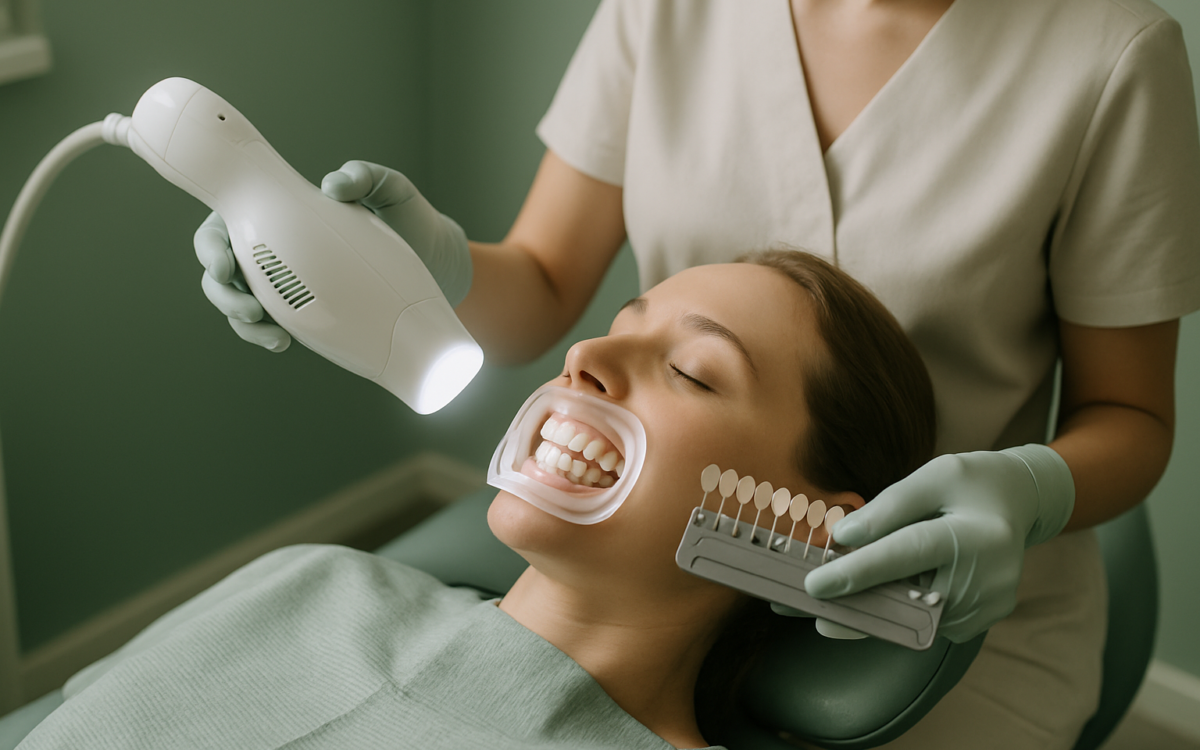
- In-Office Whitening: Performed by dental professionals, this treatment often uses high-concentration bleaching agents activated by a special light. Results are usually seen in just one visit and can be very effective.
- At-Home Kits: These kits are available over-the-counter and typically include trays and a lower concentration of the bleaching agent. While convenient, results may take longer to achieve than in-office treatments.
- Whitening Toothpastes: These contain mild abrasives and chemical agents to help remove surface stains. However, they do not alter the natural color of your teeth and may offer limited results.
- Natural Remedies: Some people explore baking soda, activated charcoal, or other natural solutions to whiten teeth. While these may help remove surface stains, their efficacy and safety compared to professional options are often debated.
Safety and Effectiveness of Teeth Bleaching
While many people achieve satisfactory results with teeth bleaching, it’s not without potential risks. Side effects can include tooth sensitivity, gum irritation, and uneven whitening results. Understanding these risks is crucial, especially if you have sensitive teeth or existing dental conditions. According to the National Institutes of Health, caution should be exercised when using over-the-counter products, as some may contain more abrasives than is safe.
What to Expect During the Treatment
If you decide to go for an in-office treatment, your dentist will examine your teeth and gums first. They may take photographs or impressions to track results. During the procedure, the bleaching agent is applied to your teeth, and then a special light may be used to enhance the whitening effect. The process usually lasts about one hour. For at-home kits, follow the instructions carefully, as using the product too frequently can lead to more pronounced side effects.
Post-Treatment Care
After bleaching, taking care of your teeth is crucial for maintaining your results. Here are some tips:
- Avoid stain-causing foods and beverages, such as coffee, tea, tomato sauce, and red wine for at least 48 hours after treatment.
- Continue regular brushing and flossing to keep your teeth healthy and maintain your new shade.
- Consider using a whitening toothpaste that’s gentle enough for daily use.
When to See a Doctor
If you experience prolonged tooth sensitivity, gum irritation, or if you notice that your results are uneven, consider consulting with your dentist. They can help determine whether you should continue treatment or explore alternative options. Additionally, if you have existing dental issues such as cavities or gum disease, discussing these with your dentist before beginning any teeth bleaching procedure is essential.
Final Thoughts
Teeth bleaching can be a great way to enhance your smile, giving you renewed confidence. However, it’s important to weigh the benefits against potential risks and to choose the method that best suits your needs. Always consult with a dental professional to ensure you’re making a safe choice that leads to the best possible results. With the right approach, a brighter smile is well within your reach.
