
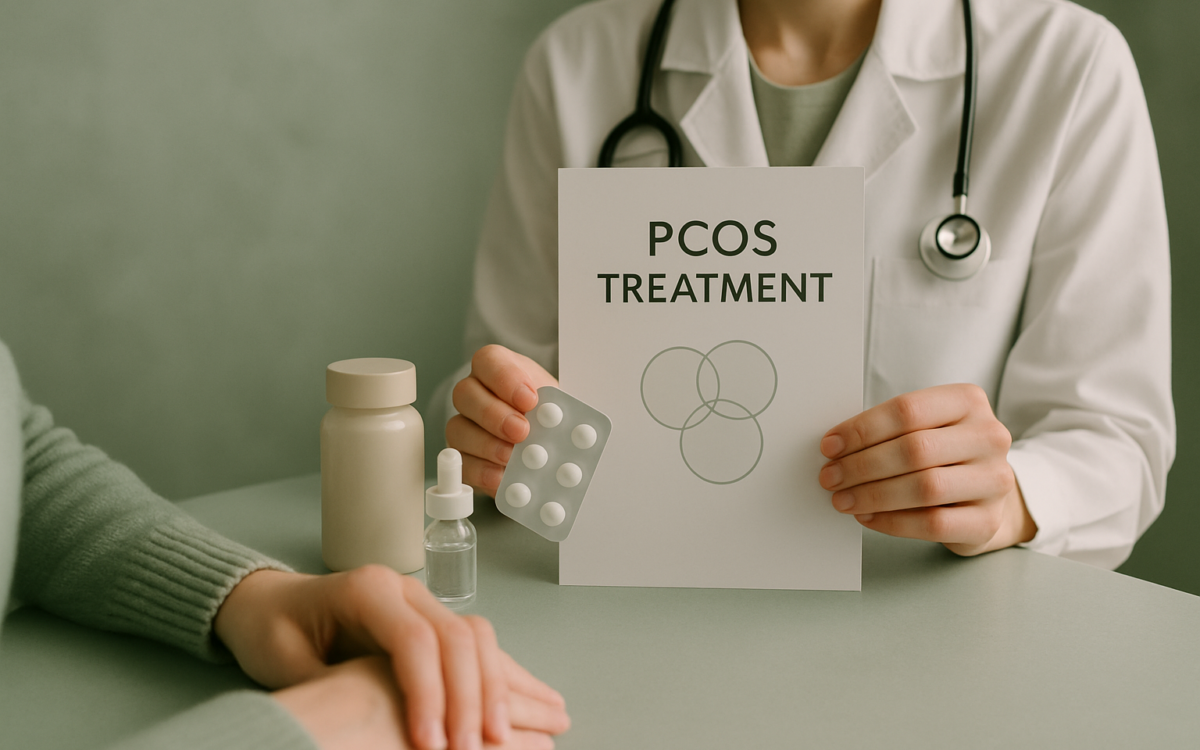
Polycystic Ovary Syndrome (PCOS) is a common hormonal disorder affecting women of reproductive age. It can cause a range of symptoms, such as irregular periods, weight gain, and acne. If you’ve recently been diagnosed with PCOS or suspect you may have it, understanding your treatment options is essential. Fortunately, there are many effective ways to manage and treat PCOS.
Diet and Lifestyle Changes
One of the first lines of treatment for PCOS usually includes lifestyle changes, particularly adjustments to diet and physical activity. These can significantly improve your overall health and help you manage symptoms.
- Healthy Eating: Focus on a balanced diet rich in whole foods, vegetables, and lean proteins. Reducing sugar and processed foods can help regulate blood sugar levels.
- Regular Exercise: Engaging in regular physical activity can help maintain a healthy weight and improve insulin sensitivity. Aim for at least 150 minutes of moderate exercise each week.
- Weight Management: If you’re overweight, even a modest weight loss of 5-10% can help improve symptoms and restore ovulation in some women.
According to the National Institutes of Health, these lifestyle modifications are effective not only for weight management but also for reducing insulin resistance, one of the major underlying issues in PCOS.
Medications for PCOS
When lifestyle changes aren’t enough, medications may be prescribed to help manage PCOS symptoms. Here are some commonly used types of medications:
- Hormonal Birth Control: Birth control pills can help regulate menstrual cycles, reduce acne, and lower excess hair growth. They work by balancing hormones associated with PCOS.
- Metformin: Often used for diabetes, metformin can help improve insulin sensitivity and has been shown to help with weight loss and menstrual regulation in some women with PCOS.
- Anti-Androgens: Medications like spironolactone can reduce male hormone levels and are often prescribed to help with excessive hair growth and acne.
Always discuss the potential benefits and risks of any medication with your healthcare provider to find the best course of treatment for your specific situation.
Fertility Treatments
If you’re experiencing difficulty getting pregnant due to PCOS, there are various fertility treatments available. Some options include:
- Clomiphene Citrate: This medication is often the first step for women with PCOS who want to conceive. It works by stimulating ovulation.
- Letrozole: This is another oral medication that can help induce ovulation and may be more effective than clomiphene for some women with PCOS.
- In Vitro Fertilization (IVF): For those who do not respond to oral medications, IVF may be an option. This procedure allows for a more controlled environment for fertilization.
Consulting a reproductive endocrinologist can help you explore these options further and determine what might work best for you.
International Treatments and Travel Options
If you’re considering treatment options outside your home country, numerous centers specialize in PCOS management. Many women seek international patient services to find specialized care, particularly in Turkey, India, and various European countries. These facilities often combine advanced medical care with holistic approaches tailored to individual needs.
Emotional Support and Therapy
Managing PCOS goes beyond physical symptoms. The emotional toll of living with PCOS can be significant. Many women experience anxiety and depression related to their symptoms and potential fertility issues. Engaging with support groups or a mental health professional as part of your treatment plan can provide much-needed relief and coping strategies.
Psychological support can help improve overall well-being and should be considered an important part of managing PCOS. Furthermore, cognitive-behavioral therapy (CBT) has shown promising results in reducing anxiety and depression in women with chronic health conditions like PCOS.
When to See a Doctor
If you’re experiencing symptoms of PCOS or are concerned about your health, it’s important to consult a healthcare provider. Early diagnosis and intervention can improve your quality of life and decrease the risk of future health issues, such as diabetes or heart disease. Symptoms that warrant a visit to your doctor include:
- Irregular or absent periods
- Excessive hair growth or acne
- Difficulty losing weight
- Fertility issues
Conclusion
Managing PCOS can seem overwhelming, but understanding the treatment options available can empower you to take control of your health. From lifestyle changes to medications and emotional support, there are various paths to addressing your symptoms. By working closely with your healthcare provider, you can create a personalized treatment plan that improves your quality of life and helps you achieve your goals.
