
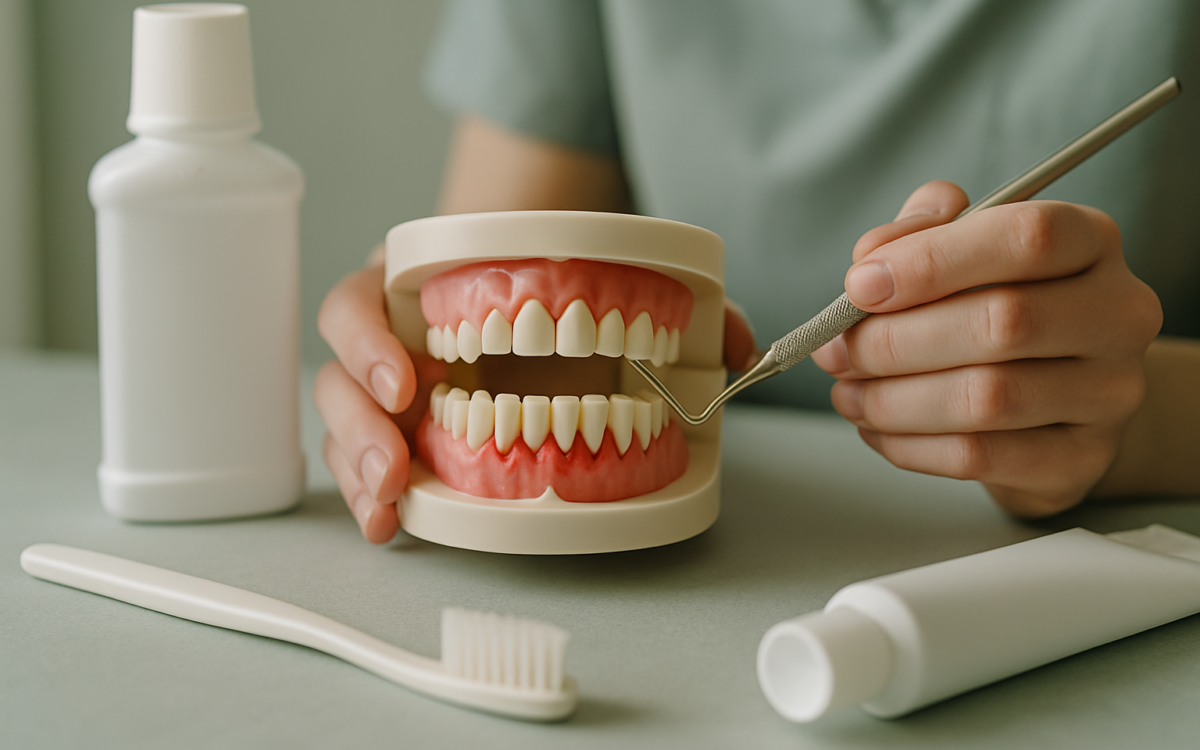
Periodontal disease, commonly known as gum disease, occurs when the tissue surrounding your teeth becomes inflamed or infected. It usually starts with gingivitis, a mild form where the gums become red, swollen, and bleed easily. If not addressed, it can progress to more severe stages involving significant bone destruction and tooth loss. Understanding how to treat periodontal disease is crucial for maintaining your oral health and preventing further complications.
Understanding periodontal disease
Periodontal disease is primarily caused by poor oral hygiene that leads to plaque buildup— a sticky, colorless film of bacteria. When plaque hardens into tartar, it can cause inflammation and infection in the gums. Factors like smoking, age, hormonal changes, certain health conditions, and genetics can increase the risk of developing this condition.
Recognizing the symptoms
Being able to identify the signs of periodontal disease is key to getting timely treatment. Common symptoms include:
- Swollen or puffy gums
- Red or dark red gums
- Bleeding when brushing or flossing
- Persistent bad breath
- Loose teeth
- Receding gums
If you notice any of these symptoms, it’s important to take action and seek help. Early treatment can prevent further tooth and bone loss.
Steps to treat periodontal disease
Treating periodontal disease often involves several stages, depending on its severity. Here are some key steps to consider:
1. Professional dental cleaning
Your first step should be to see a dentist for a thorough cleaning. A dental professional can remove plaque and tartar buildup that you might not be able to reach with regular brushing and flossing. This process, known as scaling and root planing, can help restore gum health. Regular dental checkups (at least every six months) are also essential for maintaining oral health.
2. Improved oral hygiene practices
After your professional cleaning, maintaining excellent oral hygiene is crucial. This includes:
- Brushing at least twice a day using fluoride toothpaste
- Flossing daily to remove plaque between teeth
- Using an antimicrobial mouthwash to reduce bacteria
- Replacing your toothbrush every three to four months or sooner if the bristles are frayed
These practices can help prevent the recurrence of periodontal disease.
3. Lifestyle changes
Making certain lifestyle changes can also help manage and treat periodontal disease. Consider the following:
- Quit smoking: Smoking significantly increases the risk of gum problems. Quitting can greatly improve your oral health.
- Healthy diet: Eating a balanced diet rich in fruits, vegetables, and whole grains can support overall health and boost your immune system.
- Stress management: High levels of stress can contribute to gum problems. Finding ways to relax, whether through exercise, meditation, or hobbies, can benefit your overall health.
Medications for periodontal disease
In cases where conventional treatments are not enough, your dentist may recommend medications to help control inflammation or fight infection. Options may include:
- Topical antibiotics: These are applied directly to the gums to limit bacterial growth.
- Oral antibiotics: A more systemic approach may be necessary in some cases.
- Antimicrobial mouth rinses: These are used to manage plaque and reduce bacteria.
Always discuss medication options with your dentist, as they can assess which approach is best suited for your needs.
Advanced treatments for severe cases
For advanced periodontal disease, additional treatments may be necessary, such as:
- Flap surgery: In severe cases, surgery may be required to reduce the size of the pockets between the teeth and gums and to clean underneath the gum line.
- Bone grafts: This procedure can help regenerate any bone that has been lost due to periodontal disease.
- Soft tissue grafts: This can prevent further gum recession by reinforcing the gum line.
Your dentist or periodontist will evaluate your condition and recommend appropriate options based on the severity of your periodontal disease.
Regular monitoring and maintenance
Once you have received treatment for periodontal disease, ongoing care is essential to maintain gum health. Regular check-ups with your dentist will help monitor your progress. Your dentist may suggest more frequent cleanings if you have been diagnosed with periodontal disease.
Maintaining a consistent oral hygiene routine at home will also be vital. Be sure to follow your dentist’s recommendations and stay proactive in your dental care.
When to see a doctor
If you experience persistent symptoms such as bleeding gums, loose teeth, or persistent bad breath, don’t hesitate to contact a healthcare professional. Early intervention can prevent more serious complications, ensuring the health of your gums and teeth.
In conclusion, while periodontal disease can be serious, effective treatments are available to help you regain your oral health. By maintaining good oral hygiene, making healthy lifestyle choices, and following through with professional care, you can significantly improve your gum health and overall well-being. Always consult your dentist to discuss the best treatment options for your specific situation.
