
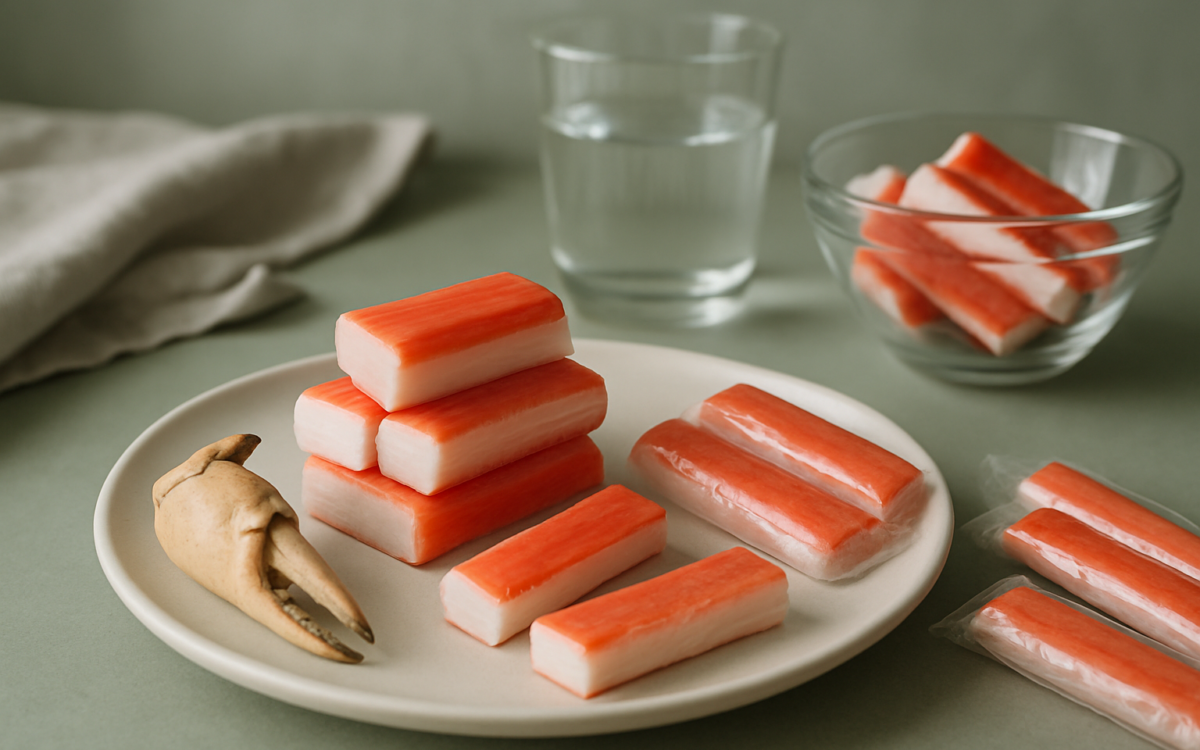
When you think of crab meat, you might envision succulent, sweet lumps of fresh seafood. However, many dishes also use imitation crab meat, often called fake crab meat. This seafood substitute is popular not only for its cost-effectiveness but also for its versatility in many recipes. While it may not have the same flavor as real crab, understanding what fake crab meat consists of and how it fits into a healthy diet can be helpful for anyone looking to make informed dietary choices.
What Is Fake Crab Meat?
Fake crab meat is primarily made from a fish called surimi, which is a finely minced fish paste. Surimi originated in Japan, where it has been used for centuries as a base for various fish products. Along with other ingredients like starch, egg whites, flavorings, and preservatives, surimi is transformed into a product that resembles crab meat both in taste and texture.
Nutritional Profile of Fake Crab Meat
In terms of nutrition, fake crab meat can offer some benefits and drawbacks compared to real crab. Here’s a brief look at its nutritional content:
- Protein: Fake crab is a source of protein, although it often contains less than real crab meat.
- Calories: Generally lower in calories, making it a popular choice for those seeking lighter options.
- Fat and Saturated Fat: Typically contains little fat, which can be an advantage depending on dietary needs.
- Sodium: Watch out for sodium levels; fake crab may have added salt for flavor.
- Vitamins and Minerals: It may lack the vitamins and minerals naturally found in crab, like vitamin B12 and zinc.
Overall, while fake crab meat can fit into a balanced diet, it’s essential to check the label for exact nutritional information, as formulations can vary by brand.
Health Benefits and Considerations
Fake crab meat can deliver some health benefits, but there are also a few aspects to consider. Here are some points to keep in mind:
Benefits
- Cost-Effective: Imitation crab meat is usually much cheaper than real crab, making it accessible to most consumers.
- Low in Calories: For those watching their caloric intake, fake crab can be a lighter alternative in salads and pasta dishes.
- Versatile: Its mild flavor allows imitation crab to blend well with various seasonings and ingredients.
Considerations
- Allergies: Some people may be allergic to fish, making imitations unsuitable.
- Quality of Ingredients: Read labels carefully, as some brands contain fillers and additives that may not be beneficial.
- Low Nutritional Value: As noted earlier, imitation crab lacks many of the nutrients found in real crab, such as omega-3 fatty acids.
How to Incorporate Fake Crab Meat in Your Diet
If you decide to try imitation crab, there are many delightful ways to include it in your meals:
- Salads: Mixed seafood salads are a popular way to use fake crab. Pair with greens, vegetables, and a light dressing.
- Sushi: Makis, where imitation crab forms part of the filling, are a delightful treat.
- Pasta Dishes: Toss fake crab into pasta for a savory meal combined with garlic and olive oil.
- Soups: Creamy crab soups can be made more budget-friendly with fake crab.
- Appetizers: Use in crab cakes or seafood dip for gatherings.
Understanding Labels and Ingredients
When shopping for fake crab meat, it’s essential to read the label carefully. Look for the following:
- Surimi: This should be the primary ingredient listed. Be cautious of a lot of fillers, as these can reduce the product’s quality.
- Preservatives: Some products contain artificial flavorings and added chemicals. Choosing brands that use natural ingredients can be healthier.
- Nutritional Information: Be aware of sodium levels and calories, especially if you have health conditions that require monitoring these.
Is Fake Crab Meat Safe to Eat?
Generally, consumption of fake crab meat is considered safe for most individuals. However, like any processed food, moderation is key. The FDA monitors food safety and can provide insights on specific food products, including seafood. It is advisable to consult official guidelines for maintaining food safety in seafood.
When to See a Doctor
If you experience any adverse reactions after consuming fake crab meat, such as allergic symptoms like hives, difficulty breathing, or digestive issues, consult a healthcare provider immediately. For ongoing health concerns regarding diet and allergies, professional advice is crucial.
Before adding imitation crab meat to your meals, consider discussing it with a healthcare professional, especially if you have dietary restrictions or allergies.
Conclusion
Fake crab meat can be a tasty and budget-friendly alternative to real crab. By understanding its nutritional content and incorporating it wisely into your diet, you can enjoy the best of both worlds—flavor and savings. Just remember to read labels, check for any allergens, and most importantly, always listen to your body. Happy eating!
