
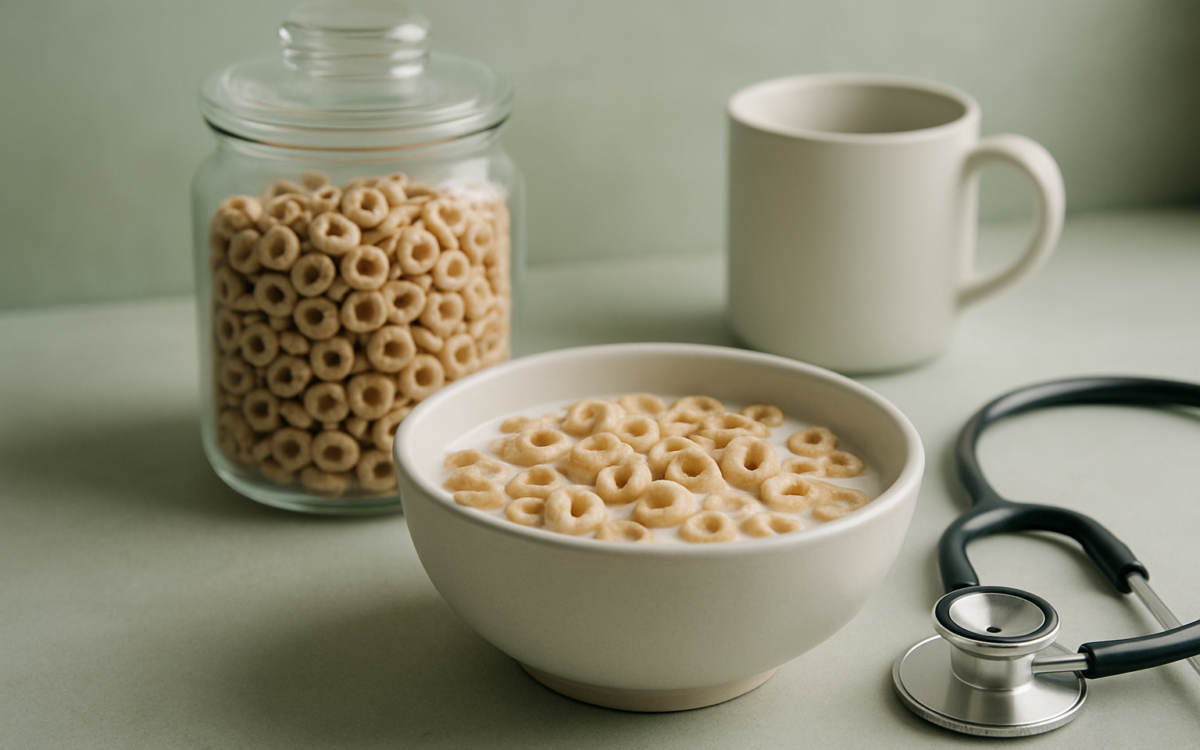
Cheerios have been a staple breakfast choice for many families for decades. Their iconic shape and mild flavor make them not only a popular choice among children but also an easy option for busy adults. But the question remains: are Cheerios good for you? In this article, we will delve into the nutritional profile of Cheerios, explore their health benefits, and discuss any concerns that might arise regarding their consumption.
Nutritional Profile of Cheerios
Cheerios are primarily made from whole grain oats, which provides a solid foundation for their nutritional value. A standard serving size, which is usually about 1 cup (28 grams), contains:
- Approximately 100 calories
- 2 grams of protein
- 20 grams of carbohydrates
- 1 gram of fat
- 3 grams of dietary fiber
This combination makes Cheerios a low-calorie option, which can be beneficial for those who are trying to manage their weight. Additionally, being a whole grain cereal means that they contain more nutrients than refined grains, including vitamins and minerals.
Health Benefits of Cheerios
When considering whether Cheerios are good for you, it’s important to look at their health benefits:
1. Heart Health
One of the standout features of Cheerios is their potential heart health benefits. The American Heart Association suggests that whole grains can help reduce the risk of heart disease. Cheerios are made from whole grains, which can help lower cholesterol levels. The soluble fiber found in oats is particularly effective at this, making Cheerios a wise choice for anyone looking to support their heart health. According to the NIH, dietary fiber contributes to a lower incidence of cardiovascular disease.
2. Low in Sugar
Unlike many cereals that are high in sugar, Cheerios are relatively low in added sugars. This can be beneficial for those trying to manage their blood sugar levels or overall sugar intake. Eating lower-sugar foods can help maintain stable energy levels throughout the day.
3. Nutrient-Rich
Cheerios are fortified with essential vitamins and minerals, including iron, vitamin D, and various B vitamins. These nutrients are important for maintaining various bodily functions, from energy production to immune support. As outlined by the CDC, essential vitamins are crucial for reducing the risk of chronic diseases and supporting overall health.
4. Weight Management
As a low-calorie breakfast option, Cheerios can fit well into a balanced diet. Their fiber content can help you feel full longer, which may prevent overeating later in the day. Including Cheerios as part of a balanced breakfast along with protein and healthy fats, such as milk or yogurt and fruit, can provide sustained energy.
Are There Any Concerns?
While Cheerios have many advantages, there are some considerations to keep in mind:
1. Processed Foods
Despite being made from whole grains, Cheerios are still a processed food. Added ingredients like vitamins and minerals, and the methods used to create the cereal, may reduce the benefits of whole grains. Some nutritionists recommend focusing on less processed options when possible.
2. Gluten Sensitivity
Standard Cheerios contain oats, which are naturally gluten-free. However, people with gluten sensitivity should be cautious. Gluten cross-contamination can occur during processing, so it’s essential to read labels carefully to ensure they are certified gluten-free.
3. Additives and Flavorings
Certain Cheerios varieties come with added flavors or sweeteners, which may differ from the standard original flavor. These additives can increase sugar content and, in some cases, may include artificial ingredients. Always check the ingredient list if you are concerned about consuming additives.
Alternatives to Cheerios
If you’re unsure whether Cheerios are the best choice for your breakfast, here are a few alternatives:
- Oatmeal: A warm breakfast option rich in fiber.
- Other Whole Grain Cereals: Brands that focus on minimal processing and low sugar.
- Greek Yogurt with Fruit: A protein-rich option that can be made sweet or savory.
These alternatives also provide a variety of nutrients and flavors to enhance your breakfast experience.
When to See a Doctor
If you are experiencing digestive issues, sudden changes in weight, or concerns about your heart health, it’s important to consult with a healthcare professional. They can provide personalized advice and help determine the best dietary choices for your specific situation.
Conclusion
So, are Cheerios good for you? They do offer numerous health benefits, including being low in sugar and high in fiber, which makes them a nutritious breakfast option for many. However, like any food, they should be consumed as part of a balanced diet. If you enjoy Cheerios, consider pairing them with fruits, nuts, or yogurt to elevate their nutritional value further. Remember, consulting with a healthcare provider can help you make informed choices tailored to your individual health needs.
