
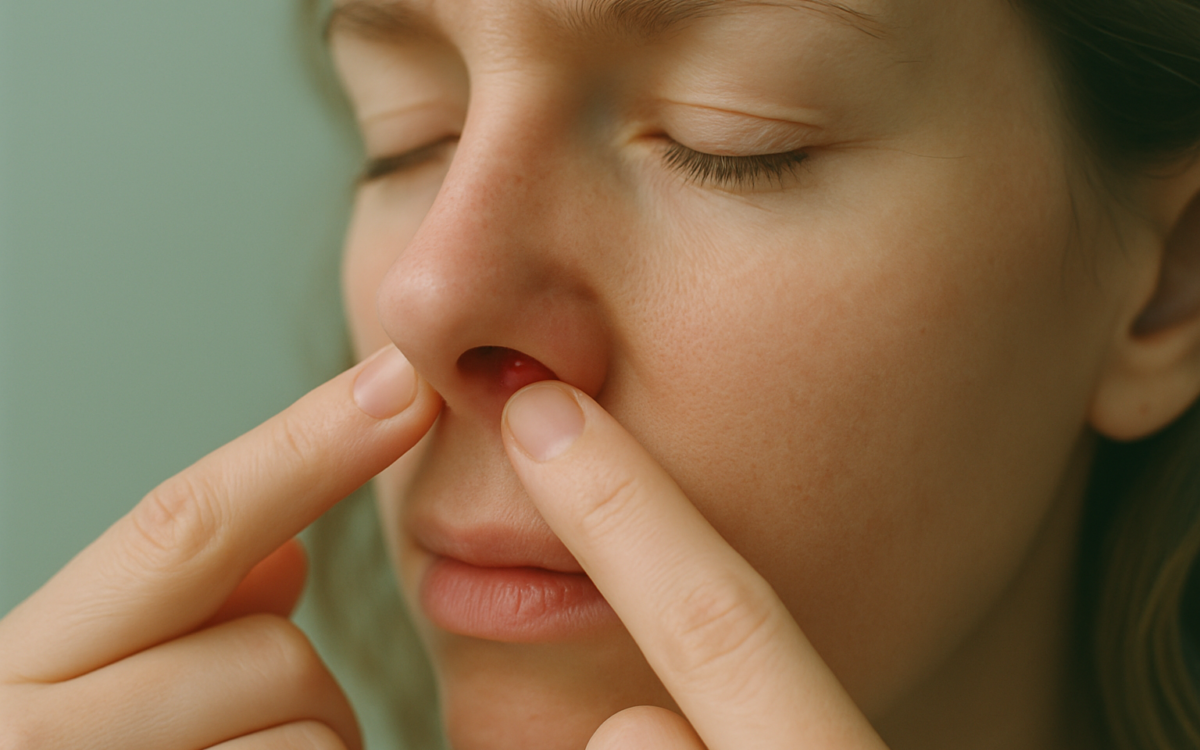
Pimples in the nose can be an unexpected and uncomfortable experience for many people. Unlike typical acne that appears on the face, back, or shoulders, these small bumps can form in a sensitive area that is often ignored until there’s a noticeable issue. Understanding the causes and treatments for these pesky skin problems can help you manage them effectively.
What Causes Pimples in the Nose?
Pimples in the nose can arise from several factors. Some common causes include:
- Clogged pores: Just like acne on other parts of the body, pimples can form when hair follicles in the nose become clogged with oil, dead skin cells, or bacteria.
- Bacterial infection: Conditions like folliculitis can affect the hair follicles within the nose, leading to inflammation and pus-filled bumps.
- Allergies: Allergies can cause inflammation and eczema-like conditions, making the skin around the nose prone to breakouts.
- Skin conditions: Dermatitis, psoriasis, or rosacea can lead to irritation and pimples in or around the nose.
- Hormonal changes: Fluctuations in hormones, especially during puberty, menstruation, or stress, can lead to increased oil production and acne.
Identifying the Type of Pimple
Understanding the type of pimple in your nose can help determine the best way to treat it. The two most common types are:
Whiteheads
These are small, round, white bumps that form when the clogged pore is closed. They’re typically less painful but can be irritating.
Pustules
Pustules involve a buildup of pus, creating a red, swollen bump. They might be more painful and tender to touch.
Home Remedies for Nose Pimples
While professional treatments are available, there are several home remedies that can help alleviate the discomfort caused by pimples in the nose:
- Warm compress: Applying a warm compress to the affected area can help soothe inflammation and encourage the pimple to drain on its own.
- Tea tree oil: Known for its antimicrobial properties, tea tree oil can be diluted with a carrier oil and applied to the pimple to reduce swelling and bacteria.
- Saline solution: Using a saline solution can help clean the nostrils, potentially reducing the bacteria contributing to the pimple.
- Avoid picking: As tempting as it might be, picking at the pimple can lead to further inflammation, infection, or scarring.
Over-the-Counter Treatments
If home remedies aren’t effective, there are various over-the-counter treatments available that target pimple problems directly:
- Benzoyl peroxide: This ingredient helps to kill the bacteria causing acne and is widely used for treating spots and blemishes.
- Salicylic acid: Known for its exfoliating properties, salicylic acid can help unclog pores and reduce inflammation.
- Retinoids: These are vitamin A derivatives that promote cell turnover and prevent clogged pores.
Prevention Tips
Preventing pimples from forming in the nose is easier than you might think. Here are several tips to help keep your nasal area clear:
- Maintain good hygiene: Gently wash your face and the area around your nose twice daily with a mild cleanser.
- Moisturize: Use non-comedogenic moisturizers that won’t clog your pores, especially if you have dry skin.
- Manage sweat: After heavy sweating, cleanse the area to remove excess oils and sweat that can contribute to breakouts.
- Avoid heavy makeup: If you wear makeup, opt for non-comedogenic products that won’t clog pores, especially near the nose.
When to See a Doctor
If you experience persistent, painful, or recurring pimples in your nose, it might be time to consult a healthcare provider. Additionally, seek medical advice if:
- The pimple shows signs of infection, such as increased redness, warmth, or drainage of pus.
- You develop a fever or other symptoms of systemic infection.
- You notice changes in your skin that make you concerned, such as unusual growths or changes in pigmentation.
Conclusion
Pimples in the nose are often bothersome but manageable with the right approach and treatment. By understanding the causes, employing home remedies, and utilizing over-the-counter solutions, most people can find relief. However, if issues persist or worsen, seeking medical advice is always a wise decision to ensure proper treatment and care.
