
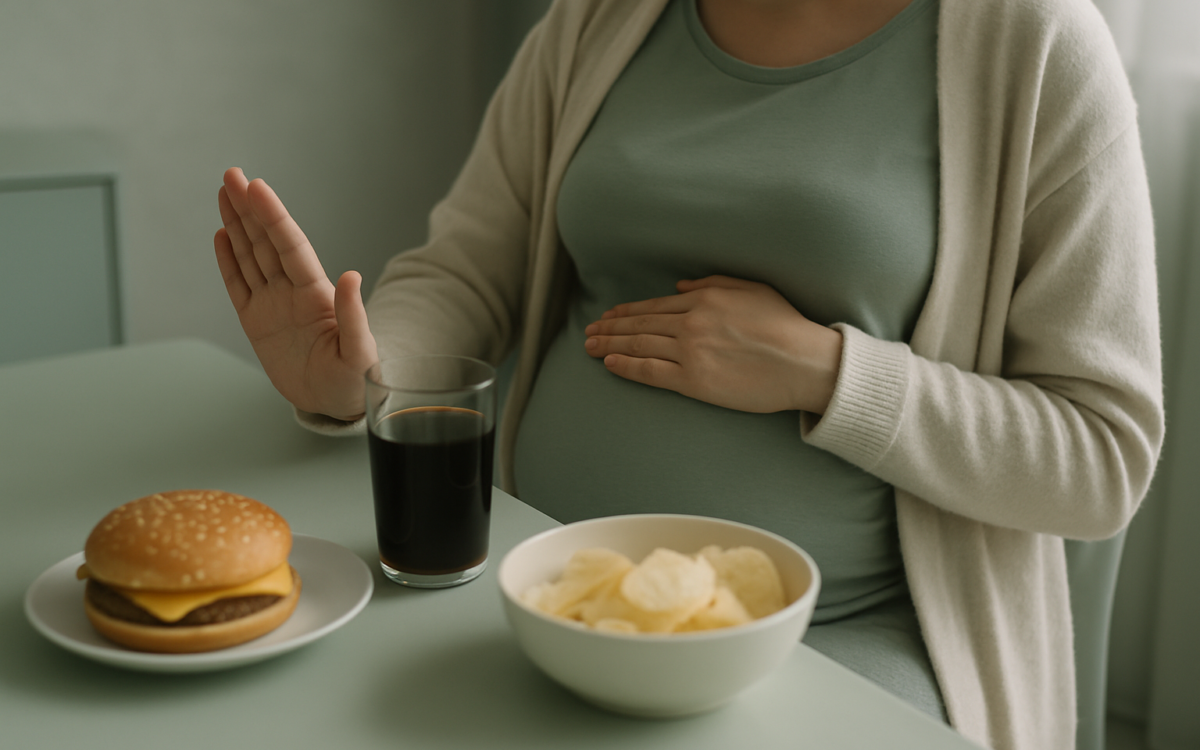
Pregnancy is a beautiful journey, but it comes with its share of responsibilities, especially concerning nutrition. What you eat impacts not just your well-being but also your baby’s health. While it’s important to embrace nourishing foods, it’s equally crucial to stay away from certain items that could pose risks. Let’s explore some foods that are best avoided during pregnancy.
Raw or Undercooked Seafood
Seafood can be a great source of omega-3 fatty acids and protein, but caution is needed. Raw or undercooked seafood, such as sushi and oysters, can harbor harmful bacteria and viruses that increase the risk of food poisoning. This can lead to complications like dehydration and can even affect the baby’s health. It’s wise to ensure any seafood you consume is thoroughly cooked.
Meats and Eggs That Are Undercooked or Raw
Similar to seafood, undercooked or raw meats and eggs pose significant risks during pregnancy. These foods can contain dangerous bacteria like Salmonella and Escherichia coli (E. coli), which can lead to severe foodborne illnesses. To reduce risk, always cook meats to a safe internal temperature and avoid dishes made with raw eggs, such as certain dressings and homemade mayonnaise.
Deli Meats and Processed Meats
Deli meats, hot dogs, and certain processed meats can be contaminated with Listeria monocytogenes, which can survive refrigeration. This bacteria can cause listeriosis, a serious infection that can result in miscarriage or stillbirth. If you crave deli meats, consider heating them until steaming hot to eliminate the risk.
Raw Dairy Products
While dairy is an important source of calcium, raw (unpasteurized) dairy products should be avoided during pregnancy. These can contain harmful bacteria, including Listeria and Campylobacter, which can impose health risks for both mother and baby. Stick to pasteurized milk, cheese, and yogurt to ensure safety.
Certain Fish with High Mercury Levels
Fish is an excellent protein source and is rich in omega-3 fatty acids, but some fish can contain high levels of mercury, which is harmful to developing nervous systems. Fish like shark, swordfish, and king mackerel should be avoided. Instead, opt for safer options like salmon, sardines, and trout, which are lower in mercury and beneficial.
Caffeinated Beverages
While moderate caffeine intake is often deemed acceptable during pregnancy, high levels can increase the risk of miscarriage or low birth weight. It’s best to limit caffeinated drinks such as coffee, energy drinks, and sodas. If you do consume caffeine, aim for no more than 200 mg per day, which is roughly one 12-ounce cup of coffee. Consider switching to decaf versions or herbal teas approved for pregnancy.
Alcohol
A crucial point to highlight is the importance of avoiding alcohol entirely during pregnancy. No amount of alcohol is considered safe for a developing baby, as it can lead to fetal alcohol spectrum disorders (FASDs), causing lifelong physical, behavioral, and learning issues. It’s best to consult with your healthcare provider about any concerns regarding alcohol consumption.
When to See a Doctor
If you think you have eaten something risky or feel unwell, it’s important to contact your healthcare provider. Symptoms like fever, vomiting, diarrhea, or abdominal pain may indicate a foodborne illness that requires professional advice.
Pregnancy is a time filled with anticipation and joy, and being mindful about what you eat plays a significant role in a healthy lifestyle. While navigating dietary choices can seem daunting, having a clear understanding of what to avoid can support both your health and that of your baby. Always consult with your healthcare provider for personalized guidance and recommendations during your pregnancy.
