
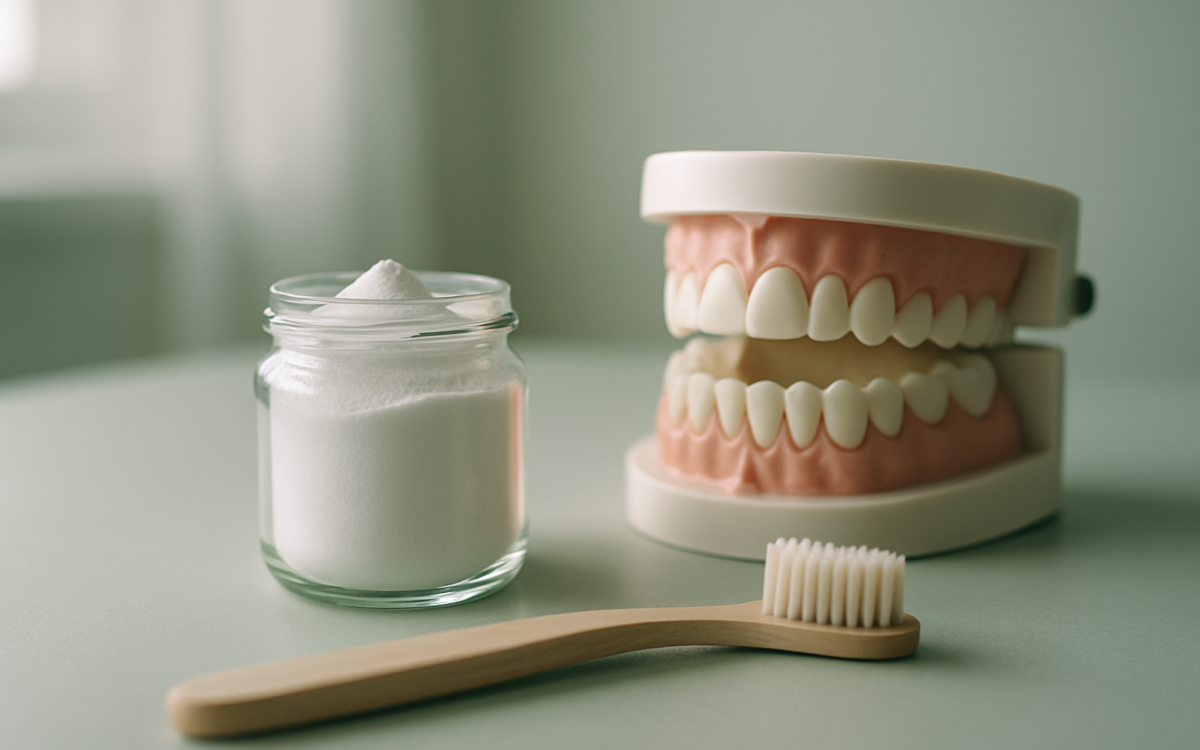
Many people are curious about how to achieve a brighter smile without the hefty price tag of professional teeth whitening treatments. One common household ingredient that often comes up in these conversations is baking soda. But does it really bleach teeth? In this article, we will explore the effectiveness of baking soda for teeth whitening, how to use it safely, and what to consider for your dental health.
The science behind baking soda
Baking soda, also known as sodium bicarbonate, is a mild abrasive and alkaline compound. This means it can help remove surface stains from teeth due to its gentle scrubbing action. The alkalinity of baking soda can also neutralize acids in the mouth, which could help mitigate harmful effects on tooth enamel. However, while it can help in removing some stains, it’s essential to understand what it cannot do.
Does baking soda actually bleach teeth?
Despite popular belief, baking soda does not bleach teeth in the way that some commercial whitening products do. Most whitening treatments contain hydrogen peroxide or carbamide peroxide, which actively lighten tooth color. While baking soda can help improve the appearance of your teeth by removing surface stains, it doesn’t change their natural color.
According to the Mayo Clinic, baking soda may help with mild stain removal but should not be viewed as a substitute for professional whitening treatments. It’s effective for maintaining oral hygiene, but results will vary significantly among individuals.
Benefits of using baking soda for dental care
While baking soda might not be a miracle solution for teeth whitening, it does offer some benefits when used properly:
- Mild abrasive action: Helps to scrub away plaque and surface stains without damaging teeth.
- Neutralizes acids: Helps reduce acidity in the mouth, which can prevent decay and gum disease.
- Inexpensive: Affordable alternative to some professional dental products.
Using baking soda as part of your oral hygiene routine can complement your traditional toothpaste. However, moderation is key, as excessive use can lead to enamel erosion.
How to use baking soda safely
If you’re interested in using baking soda for your teeth, here are some methods to do so safely:
- Baking soda paste: Mix a small amount of baking soda with water to create a paste. Use it to brush your teeth a few times a week.
- Baking soda and toothpaste: Add a pinch of baking soda to your regular toothpaste to boost its stain-fighting power.
- Mouth rinse: Dissolve baking soda in water and use it as a mouth rinse; this can help neutralize acids in the mouth.
Remember, it’s vital to maintain a regular routine that includes fluoride-based toothpaste and regular dental check-ups.
Risks of using baking soda for dental care
While baking soda can be beneficial, there are some risks to consider:
- Enamel erosion: Overuse of baking soda can wear down tooth enamel, potentially leading to increased sensitivity and decay.
- Gum irritation: Not rinsing thoroughly after use can irritate gums.
- Not a solution for everyone: Those with sensitive teeth or existing dental issues should consult with a dentist before using baking soda.
For best results and to avoid potential negatives, use baking soda in conjunction with regular dental care practices.
When to see a doctor
If you notice any adverse effects, such as increased sensitivity, changes in gum health, or consistent staining that baking soda does not resolve, it is wise to consult a dental professional. They can provide tailored advice based on your unique oral health needs.
Conclusion
Baking soda can be a helpful addition to your dental care routine, offering some benefits in stain removal and acid neutralization. However, while it may help with mild discoloration, it is not a bleaching agent like professional whitening solutions. Always consider your overall oral health and consult with a dentist if you’re unsure about the best approach for whiter teeth. The key is to strike a balance that promotes not only a brighter smile but also strong, healthy teeth.
