
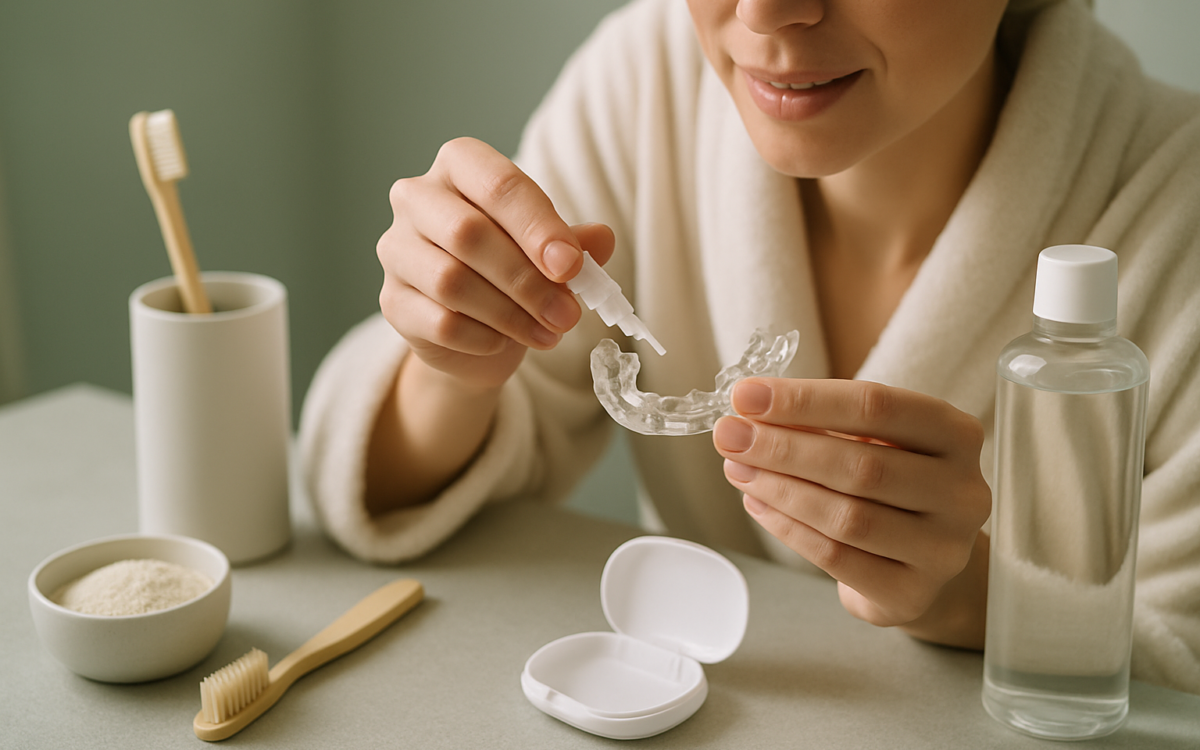
A bright smile can boost your confidence and make a lasting impression. While professional teeth whitening treatments are available, many people seek natural ways to whiten teeth at home. Not only can this be more affordable, but it also allows for greater control over the process. In this article, we’ll explore various methods that can help you achieve a whiter smile without leaving the comfort of your home.
Understanding Teeth Staining
Teeth can become stained due to various factors, including the foods we eat, beverages we drink, and habits like smoking. Common culprits of discoloration include:
- Coffee and tea
- Red wine
- Colas
- Certain fruits and vegetables
- Tobacco products
Additionally, aging can play a role: the outer enamel wears down over time, revealing the yellowish dentin underneath. Understanding these factors helps in adopting effective home whitening strategies.
Natural Remedies for Teeth Whitening
Many people turn to natural remedies, believing them to be less harsh and more holistic. Here are some popular methods:
Baking Soda and Hydrogen Peroxide
Baking soda is a mild abrasive commonly used in toothpastes, and it can help scrub away surface stains. Hydrogen peroxide has natural bleaching properties and is often used in whitening products. To create a whitening paste, mix:
- 2 tablespoons of baking soda
- 1 tablespoon of hydrogen peroxide
Brush your teeth with this mixture for about two minutes, then rinse thoroughly. Use this method no more than two to three times per week to avoid damaging enamel.
Apple Cider Vinegar
Apple cider vinegar (ACV) is touted for its many health benefits, including teeth whitening. You can either dilute ACV with water and swish it in your mouth or use it as a rinse after brushing. However, it’s important to note that frequent use can wear away enamel. Limit use to once a week and always rinse your mouth with water after.
Activated Charcoal
Activated charcoal has gained popularity as a natural teeth whitener. Its porous structure is believed to bind to stains and toxins. You can gently brush your teeth with activated charcoal powder for a couple of minutes before rinsing. Remember, it’s crucial to follow with your regular oral hygiene routine, as it does not contain fluoride.
Over-the-Counter Products
If you’re looking for more structured options, consider over-the-counter whitening products, which are generally safe when used correctly. These include:
- Whitening toothpastes: Contain mild abrasives and chemical agents.
- Whitening strips: Thin, flexible plastic strips coated with a whitening gel.
- Gel trays: Custom-fitted trays filled with a whitening gel.
Always read the instructions carefully and consult with your dentist if you’re unsure about which product is right for you.
Maintaining Your Whiter Smile
After you have taken steps to whiten your teeth, it’s crucial to maintain your results. Here are some tips:
- Limit staining foods and drinks: Reduce your intake of coffee, tea, red wine, and berries.
- Brush regularly: Maintain a good oral hygiene routine by brushing twice a day and flossing daily.
- Use a straw: When drinking beverages that may stain, use a straw to minimize contact with your teeth.
- Regular dental check-ups: Visit your dentist for professional cleanings at least twice a year to keep your teeth healthy and stain-free.
When to See a Doctor
If you experience tooth sensitivity or gum irritation due to home whitening treatments, it may be wise to consult your dentist. They can provide guidance tailored to your specific dental needs. Additionally, if you notice persistent discoloration that doesn’t respond to whitening efforts, it might signify an underlying dental issue requiring professional attention.
Conclusion
Whitening your teeth at home can be a safe and effective way to brighten your smile. By incorporating natural remedies, exploring over-the-counter products, and maintaining good oral hygiene, you can achieve noticeable results. Remember, every smile is unique, so it’s important to find the method that works best for you. If in doubt, don’t hesitate to consult with your dentist for personalized advice.
