
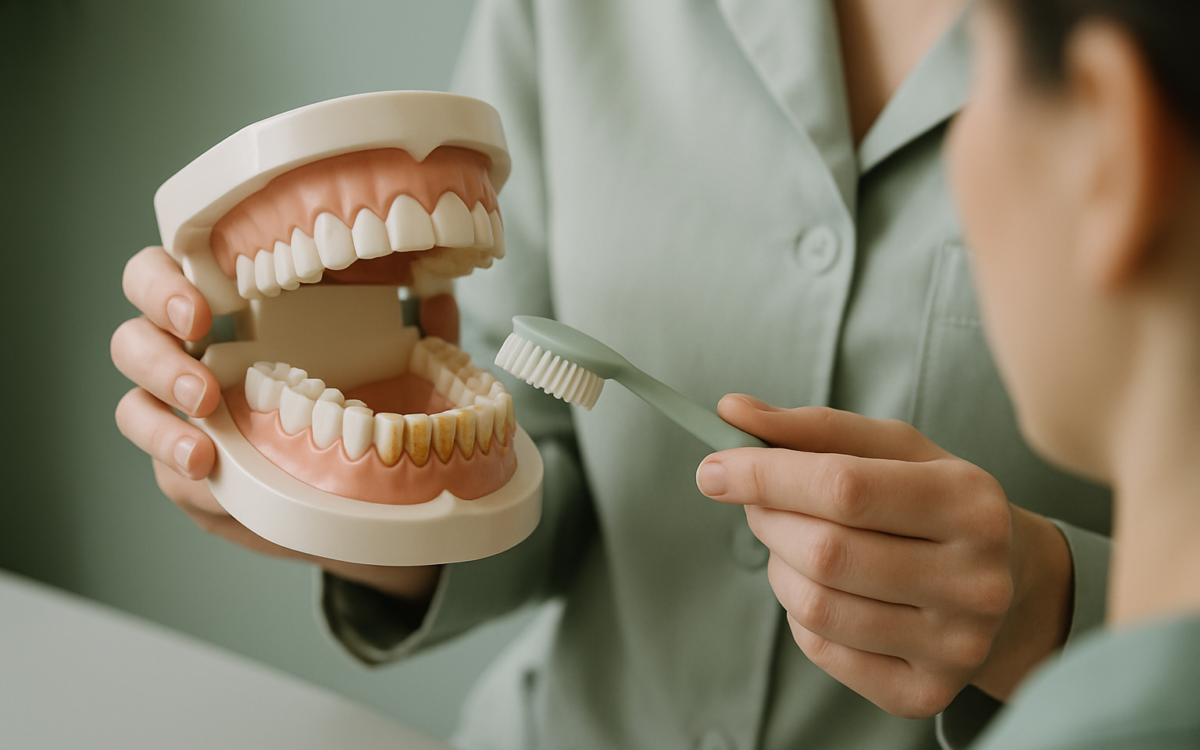
Having bright, white teeth is something many people desire, but over time, our teeth can accumulate stains from various sources. Whether it’s that morning cup of coffee, a glass of red wine, or certain foods, staining can dull your pearly whites. Fortunately, there are many ways to get rid of stained teeth and restore your smile. Let’s explore some effective techniques for achieving a brighter smile.
Understanding the Causes of Tooth Stains
Before diving into solutions, it’s essential to understand the causes of tooth stains. Tooth discoloration can be broadly categorized into two types: extrinsic and intrinsic stains.
- Extrinsic stains: These are stains on the outer layer of the tooth (the enamel) caused by food and drink. Common culprits include coffee, tea, red wine, soda, and certain berries.
- Intrinsic stains: These occur deeper within the tooth structure, often due to factors like aging, certain medications, dental trauma, or excessive fluoride exposure during childhood.
Daily Oral Hygiene Practices
One of the most effective ways to prevent and reduce tooth stains starts with good oral hygiene. Here are some key practices:
- Brushing: Brush your teeth at least twice a day with fluoride toothpaste. This not only helps remove food particles but also prevents plaque buildup that can lead to staining.
- Flossing: Daily flossing removes food particles and plaque from between your teeth, which can also contribute to discoloration.
- Mouthwash: Using an antiseptic or a whitening mouthwash can help reduce surface stains and keep your breath fresh.
Whitening Toothpastes and Products
There are numerous whitening toothpastes available that contain mild abrasives and chemical agents designed to remove surface stains. While these products won’t drastically change the color of your teeth, they can be effective in enhancing their brightness over time. Look for products with the American Dental Association (ADA) Seal of Acceptance, indicating they are effective and safe.
DIY Home Remedies
Some people prefer natural methods to whiten their teeth. Here are a few popular options:
- Baking soda: Mixing a small amount of baking soda with water to create a paste can help scrub away stains. Be cautious, as excessive use can wear down enamel.
- Hydrogen peroxide: This mild bleaching agent can be used in a diluted form as a mouth rinse or mixed with baking soda to form a whitening paste. Use sparingly, as overuse can irritate gums.
- Strawberries: Some people swear by the use of mashed strawberries, thanks to their natural malic acid, which may help lift stains.
While these home remedies can be helpful, it’s important to consult with a dentist before trying new treatments, especially for those with sensitive teeth or gum issues.
Professional Whitening Treatments
For more noticeable results, many people opt for professional whitening treatments performed by dentists. These treatments can include:
- In-office whitening: This procedure involves applying a whitening agent to your teeth and using special lights to enhance the effects. Results are often visible after just one session.
- At-home whitening kits: Dentists can provide custom trays and professional-strength whitening gel for use at home.
Professional treatments are typically more effective than over-the-counter options, making them a great choice for those with deep or stubborn stains.
Maintaining Your Results
After successfully whitening your teeth, it’s crucial to maintain your results. Here are some tips:
- Limit stain-causing foods and drinks: Try to reduce your intake of coffee, tea, red wine, and other staining foods.
- Drink with a straw: When consuming stain-causing beverages, using a straw can minimize contact with your teeth.
- Regular dental check-ups: Regular visits to your dentist help keep your teeth clean and allow for professional evaluations of your oral health.
By following these guidelines, you can keep your smile bright and free from stains.
When to See a Doctor
If you notice changes in your tooth color that concern you or if you experience any discomfort, consider consulting a dentist. Additionally, if the stains on your teeth are resistant to over-the-counter treatments or at-home remedies, a dental professional can recommend the best course of action tailored to your individual needs. Always prioritize your dental health by seeking expert advice.
Stained teeth can be a source of self-consciousness for many, but with the right habits and treatments, you can achieve a brighter, healthier smile. Whether you choose to adopt at-home remedies, use over-the-counter products, or seek professional whitening services, there are effective ways to get rid of stained teeth. Remember, maintaining your results is just as important as the initial whitening, so keep up with your oral care for the best smile possible.
