
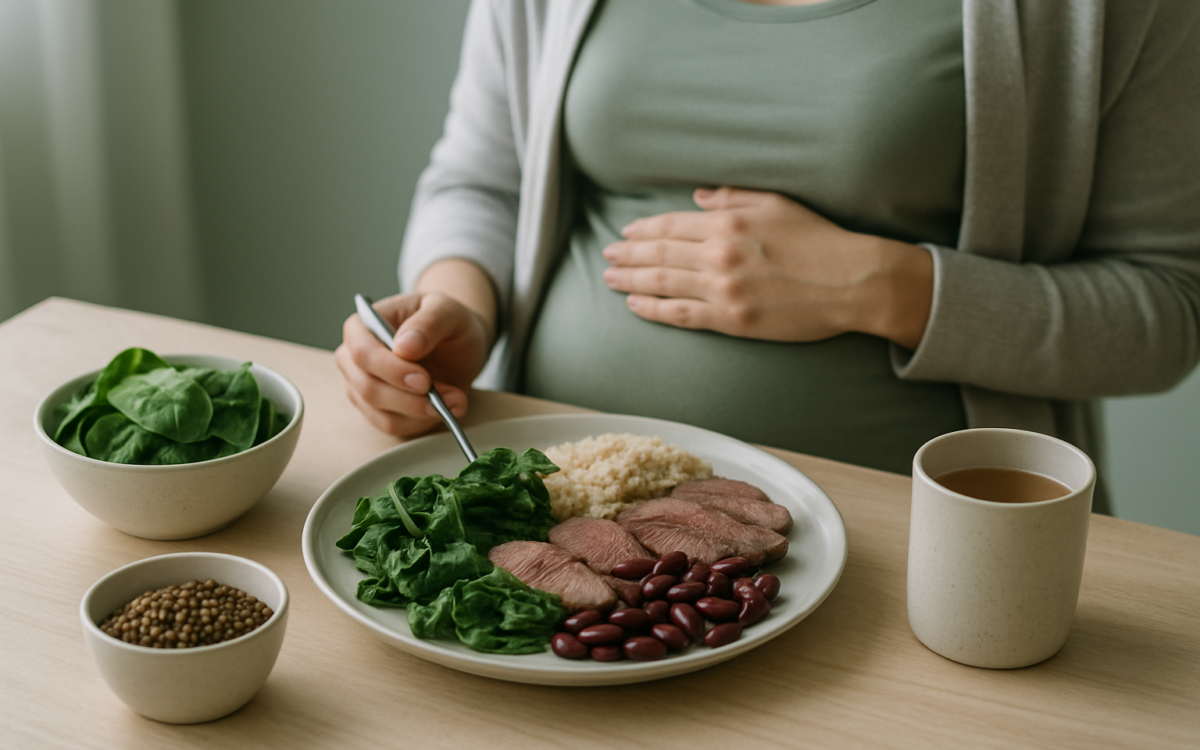
Pregnancy is an incredible journey, full of excitement and anticipation. However, it also requires a careful balance of nutrition to support both mother and baby. One essential nutrient that often gets attention is iron. This powerful mineral plays a critical role in producing hemoglobin, the protein in red blood cells that carries oxygen throughout the body. During pregnancy, your iron needs increase to support your growing baby and the changes in your own body. In this article, we’ll explore iron-rich foods, their importance, and tips for ensuring you get enough iron during this special time.
Why is Iron Important During Pregnancy?
Your body needs more iron during pregnancy because blood volume increases—almost doubling to support your baby’s needs. Iron is vital in forming red blood cells, and insufficient iron can lead to anemia, which may cause fatigue and weakness. Studies suggest that pregnant women are at higher risk for anemia, especially if they don’t consume enough iron-rich foods. According to NIH/NLM, maintaining adequate iron levels can not only help keep energy up but also supports fetal development.
Recommended Daily Iron Intake for Pregnant Women
The recommended daily iron intake during pregnancy varies based on specific needs, but generally, women should aim for about 27 mg per day. This is considerably higher than the recommended intake for non-pregnant women, which is approximately 18 mg daily. Consulting with your health provider for personalized advice is always a good idea. They may recommend iron supplements if your diet alone doesn’t meet your iron requirements.
Top Iron-Rich Foods to Include in Your Diet
Now that we understand the importance of iron, let’s look at some delicious foods to help you meet your daily intake:
- Red Meat: Beef, lamb, and liver are some of the richest sources of heme iron, which is easily absorbed by the body.
- Poultry: Chicken and turkey provide good amounts of heme iron and can be included in various dishes.
- Seafood: Fish, especially varieties like sardines and salmon, are packed with not only iron but also omega-3 fatty acids, beneficial for fetal development.
- Legumes: Beans, lentils, and chickpeas are fantastic plant-based iron sources. They offer non-heme iron, which your body can absorb with the right pairings.
- Leafy Greens: Spinach, kale, and Swiss chard are loaded with iron and other nutrients, making them ideal for pregnant women.
- Nuts and Seeds: Pumpkin seeds, almonds, and cashews are great snacks packed with iron.
- Fortified Foods: Many cereals and grains are fortified with iron, offering an easy way to boost your intake.
Combining Foods for Maximum Iron Absorption
While including iron-rich foods in your diet is crucial, how you combine them can make a difference in how well your body absorbs iron. Here are some pairing tips to maximize absorption:
- Vitamin C: Pair iron-rich foods with those high in vitamin C, such as oranges, strawberries, and bell peppers. Vitamin C enhances non-heme iron absorption.
- Avoid Calcium At Meals: Calcium can inhibit iron absorption, so try not to consume dairy products at the same time as iron-rich meals.
- Limit Coffee and Tea: These beverages contain tannins, which can reduce iron absorption. Enjoy them between meals rather than with your meals.
Signs of Iron Deficiency During Pregnancy
Being aware of the signs of iron deficiency is essential for every pregnant woman. Common symptoms include:
- Fatigue and weakness
- Pale skin
- Dizziness or lightheadedness
- Shortness of breath
- Frequent headaches
If you experience any of these symptoms, it’s essential to consult your healthcare provider for evaluation and potential treatment. They may conduct blood tests to assess your iron levels.
When to See a Doctor
If you suspect you’re not getting enough iron or are experiencing symptoms of anemia, consulting your healthcare provider is vital. They can provide testing and recommendations tailored to your individual needs. Regular prenatal check-ups are also crucial in monitoring your health and ensuring a healthy pregnancy.
Conclusion
Iron is a vital nutrient during pregnancy that helps support both maternal and fetal health. Incorporating a variety of iron-rich foods into your diet and being aware of your body’s needs will help you meet your iron requirements. As always, consult your healthcare provider for personalized advice tailored to your pregnancy journey. With thoughtful planning, you can ensure that you and your baby remain healthy and strong throughout this remarkable experience.
