
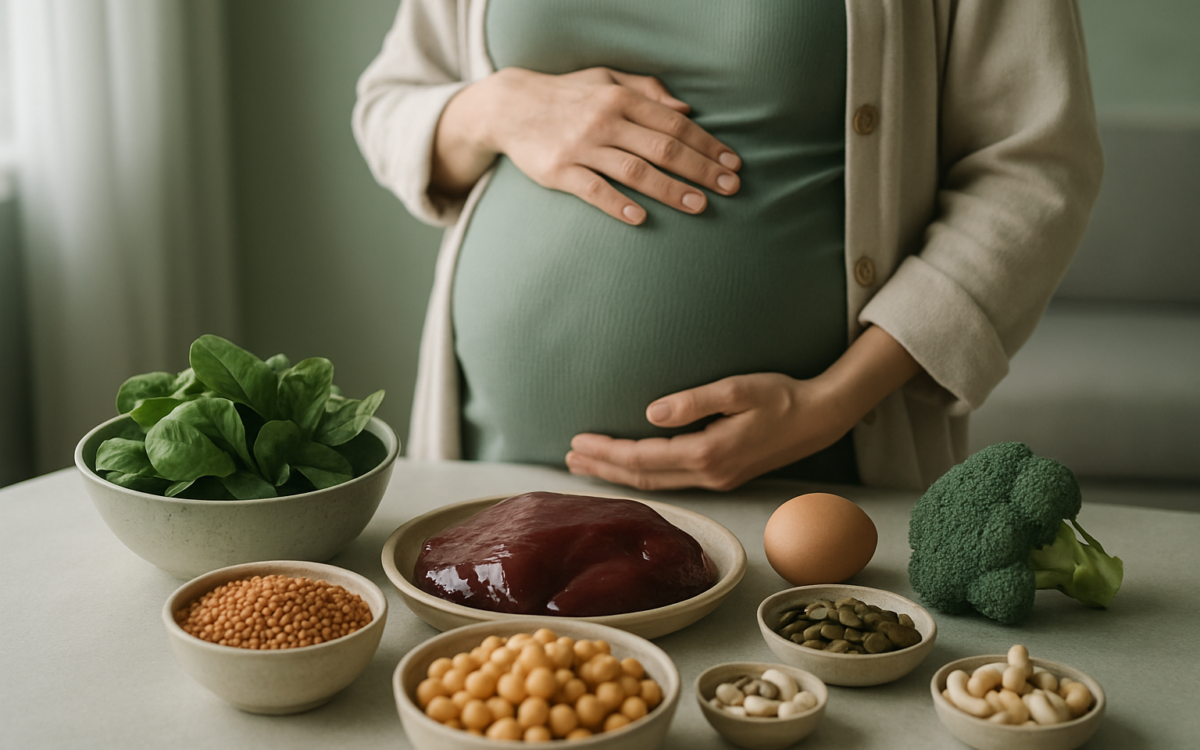
During pregnancy, a mother’s body undergoes significant changes, including an increased need for certain nutrients. One of the most vital nutrients is iron, which plays a crucial role in forming hemoglobin—the protein in red blood cells that carries oxygen to both the mother and growing baby. Insufficient iron intake during pregnancy can lead to anemia, fatigue, and other complications. This article will explore various foods high in iron to help pregnant women meet their nutritional needs.
Why Iron is Important During Pregnancy
Iron is particularly important during pregnancy because it supports the increased blood volume of the mother and the developing fetus. According to the National Institutes of Health (NIH), pregnant women typically require around 27 mg of iron per day, significantly more than the 18 mg recommended for non-pregnant women. This heightened demand helps ensure proper fetal development and maintains maternal health.
Types of Iron: Heme vs. Non-Heme
Iron comes in two forms: heme and non-heme. Heme iron, found in animal products, is more readily absorbed by the body. Non-heme iron, found in plant-based foods, is less efficiently absorbed but still plays an essential role in dietary intake.
Iron-Rich Animal Sources
For expectant mothers who include meat in their diets, heme sources can significantly contribute to their iron needs. Here are some top animal-based foods high in iron:
- Red Meat: Beef and lamb are excellent sources of heme iron. A 3-ounce serving of beef can provide about 2.1 to 3 mg of iron.
- Poultry: Chicken and turkey, especially the dark meat, are good options, with about 1.0 mg of iron per 3-ounce portion.
- Fish: Seafood like tuna, salmon, and sardines also provide a healthy amount of iron, with varying levels depending on the type.
Plant-Based Iron Sources
For vegetarian or vegan pregnant women, it’s crucial to include a variety of plant-based foods high in iron. While non-heme iron is less absorbable, consuming vitamin C-rich foods alongside can enhance absorption. Here are some iron-rich plant options:
- Legumes: Lentils, chickpeas, and beans are packed with iron; one cup of cooked lentils can provide up to 6.6 mg of iron.
- Tofu: A great plant-based protein source, tofu can offer 3.4 mg of iron per half-cup serving.
- Leafy Greens: Spinach, kale, and Swiss chard contain iron, though they also contain oxalates, which may inhibit absorption. A cup of cooked spinach has about 6.4 mg of iron.
- Nuts and Seeds: Pumpkin seeds, hemp seeds, and cashews are excellent snacks high in iron, providing between 1 mg to 2.5 mg per ounce.
Iron-Fortified Foods
Many foods are fortified with iron to help individuals meet their daily requirements. These can be particularly beneficial for pregnant women:
- Breakfast Cereals: Many cereals are fortified with iron, offering up to 18 mg per serving. Always check the labels to find options with high iron content.
- Bread and Pasta: Some whole grain and enriched breads and pasta contain added iron, making them a convenient source.
Tips for Maximizing Iron Absorption
To get the most benefit from iron-rich foods, consider these helpful tips:
- Pair Iron with Vitamin C: Consuming citrus fruits, tomatoes, or bell peppers alongside iron-rich meals can enhance iron absorption.
- Avoid Calcium at Iron Meals: Calcium can inhibit iron absorption, so it’s best to consume dairy separately from iron-rich foods.
- Cook with Cast Iron: Cooking food in iron pots can increase the iron content in food, especially when cooking acidic foods like tomatoes.
Common Signs of Iron Deficiency
Pregnant women should be aware of symptoms indicating that they might be iron-deficient. Signs include:
- Fatigue and weakness
- Pale skin
- Dizziness or lightheadedness
- Shortness of breath, especially during physical activity
If you experience any of these symptoms, it is essential to consult with your healthcare provider.
When to See a Doctor
It’s important for pregnant women to have regular check-ups to monitor their iron levels. If you are experiencing persistent fatigue, unusual cravings (like for non-food items), or have any concerns about your iron intake, consult your healthcare professional for advice. They may recommend blood tests to check your iron levels and discuss appropriate dietary changes or supplements if needed.
Remember, while achieving the right nutrient balance is key during pregnancy, every woman’s body is different. Always discuss dietary changes with your doctor or a qualified nutritionist.
Incorporating a variety of iron-rich foods into your diet can significantly benefit both you and your baby during this important time. Prioritizing nutritious meals will help support a healthy pregnancy journey.
