
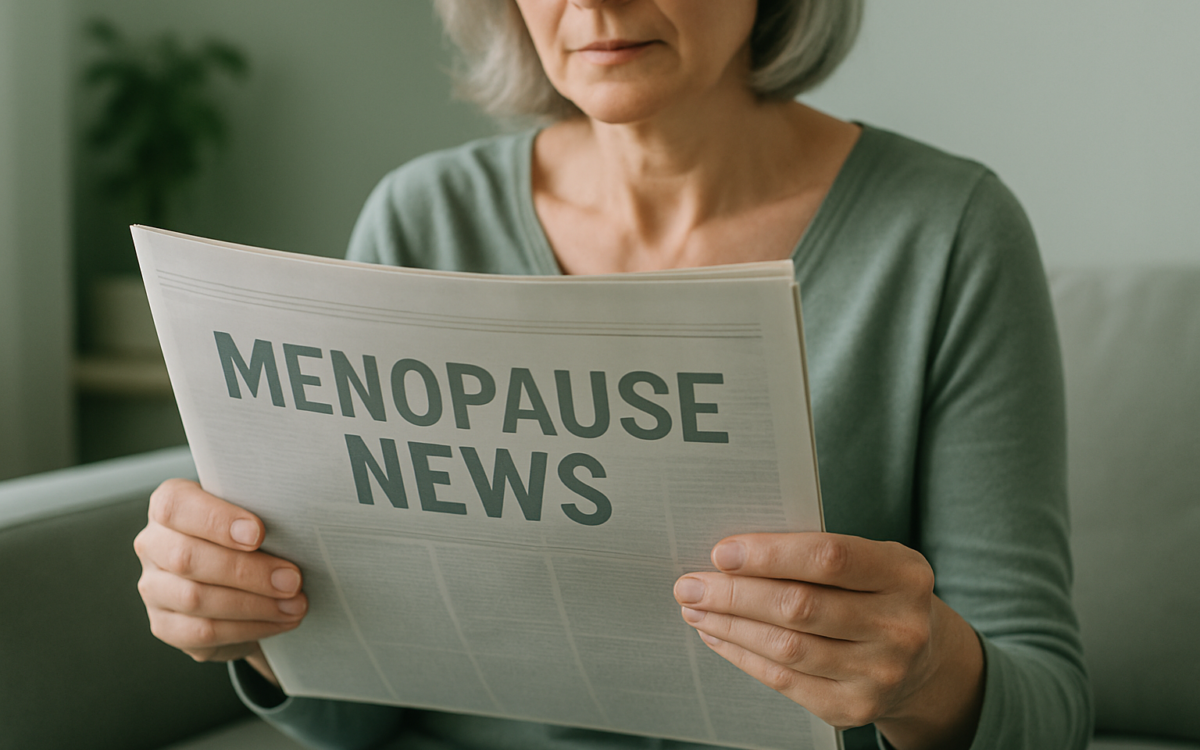
Menopause can feel like a rollercoaster ride, marked by a range of physical and emotional changes. As women’s health continues to evolve, staying updated on the latest menopause news is crucial. From new treatment options to research breakthroughs, understanding menopause can empower women to navigate this phase of life with confidence.
Understanding Menopause: A Quick Overview
Menopause is a natural biological process that marks the end of a woman’s menstrual cycles. It typically occurs in women in their late 40s to early 50s. The average age of onset is around 51, but individual experiences can vary widely. During menopause, the body undergoes hormonal changes, particularly a decrease in estrogen and progesterone production.
These hormonal shifts can lead to various symptoms, including:
- Hot flashes
- Night sweats
- Mood swings
- Vaginal dryness
- Sleep disturbances
The Latest Advances in Menopause Treatments
Recent studies have sparked excitement over new treatment options for menopause symptoms. Hormone Replacement Therapy (HRT) has long been a popular choice, helping to alleviate many discomforts associated with menopause. However, new research has emphasized the importance of personalized approaches to treatment.
Experts are now recommending that women consider their unique medical histories when discussing HRT with their doctors. Not every woman experiences the same symptoms or has the same risk factors. A comprehensive evaluation can lead to more effective treatment plans, tailoring therapies to the individual’s needs. (See the latest guidelines at the NIH for more information.)
Understanding the Role of Lifestyle Changes
While medications and therapies can be beneficial, lifestyle adjustments can also play a significant role in managing menopause symptoms. Research indicates that certain lifestyle changes can help reduce hot flashes, improve mood, and enhance overall well-being. Here are some lifestyle tips that have shown positive outcomes:
- Regular Exercise: Incorporating physical activity, such as walking or yoga, can lessen mood swings and improve sleep quality.
- Balanced Diet: A diet rich in fruits, vegetables, whole grains, and lean proteins can help manage weight and reduce symptoms.
- Stress Management: Techniques such as mindfulness, meditation, or deep-breathing exercises can aid in emotional regulation.
For those examining their options outside of traditional therapies, a global perspective may offer additional insights. For instance, some women are considering alternative treatments available in international clinics, where practices like acupuncture and herbal supplements are explored. To learn more about these options, visit acibademinternational.com.
Menopause and Mental Health
The relationship between menopause and mental health is gaining increased attention in current discussions. Many women report experiencing anxiety or depression during this transition. Acknowledging the psychological aspects of menopause is crucial for holistic care.
Studies indicate that the hormonal changes during menopause may influence mood and cognitive function. Women experiencing significant mental health challenges should feel empowered to consult their healthcare providers for guidance and support. (Consult resources like the WHO for more information on mental health in women’s health.)
Recent Research Findings and Implications
New studies frequently emerge that deepen our understanding of menopause. For instance, recent research has focused on the long-term health impacts of menopause. Some findings suggest that post-menopausal women are at a higher risk for conditions such as cardiovascular disease and osteoporosis.
Research is also shedding light on the link between menopause and cognitive decline. As more women reach menopause, understanding these risks becomes vital. Women are encouraged to engage in open conversations with their doctors about their health and any resources available for screening and preventive measures.
What to Expect in Menopause Research
As we look ahead, the future of menopause research promises exciting developments. Key areas of focus include:
- Developing more personalized treatment options
- Understanding how lifestyle factors directly affect menopause symptoms
- Exploring non-hormonal therapies for symptom relief
When to See a Doctor
It’s important to consult a healthcare provider if you are experiencing symptoms that significantly interfere with your daily life. If you notice severe changes in your mood, sleep patterns, or other unusual symptoms during menopause, don’t hesitate to reach out for help. Your doctor can provide guidance tailored to your individual needs and help formulate a management plan.
Conclusion
Keeping up with the latest menopause news is vital as it can empower women to take charge of their health during this transitional period. From understanding new treatment options to making lifestyle adjustments, support is available. Remember, consultation with a healthcare provider is essential for a comprehensive approach to managing menopause.
