
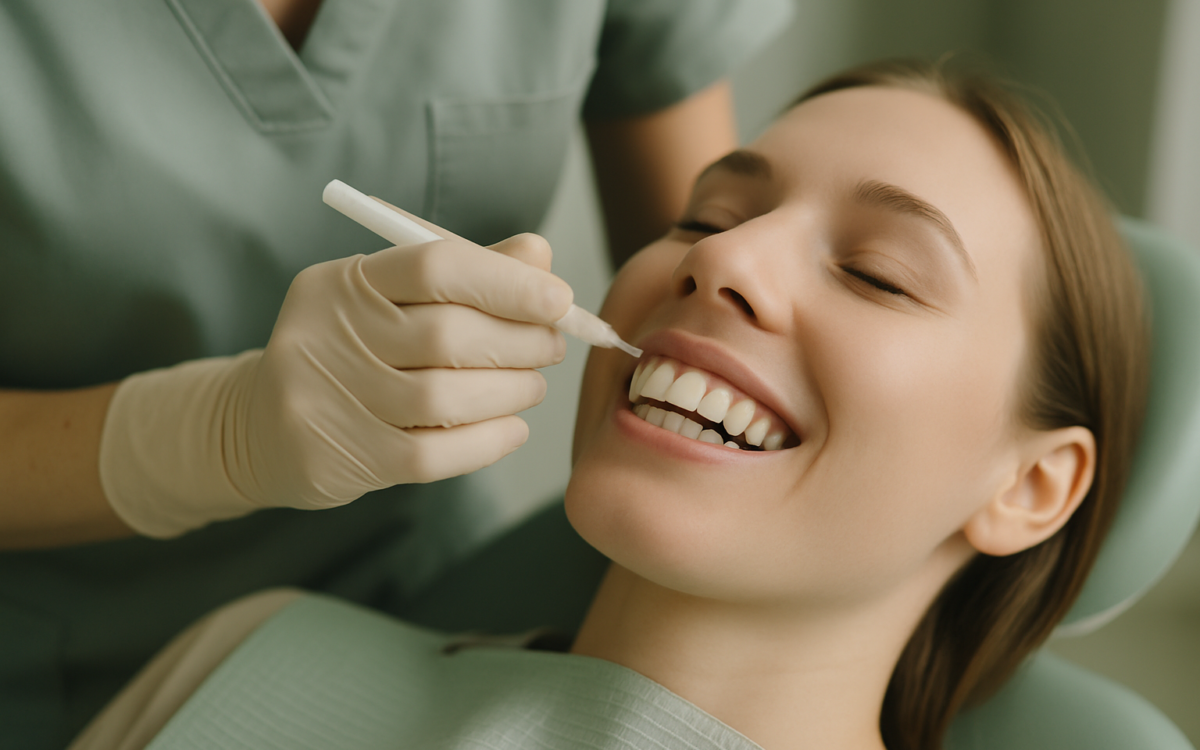
A bright, white smile is often seen as a symbol of health and attractiveness. Many people seek ways to lighten their teeth to enhance their appearance, but with so many options available, it can be hard to know what works best. Understanding the different methods for teeth whitening is essential to achieving a radiant smile without sacrificing dental health.
Understanding Teeth Discoloration
Before diving into whitening methods, it’s important to know why teeth become discolored in the first place. Teeth can develop stains from a variety of sources:
- Food and Beverages: Items like coffee, tea, red wine, and colored sauces can leave marks on your teeth.
- Tobacco Use: Smoking or using tobacco products can lead to significant staining.
- Aging: As you age, the enamel on your teeth naturally wears down, revealing the darker layer beneath, known as dentin.
- Medications: Certain antibiotics and medications can cause discoloration, particularly when used during childhood.
- Fluorosis: Overexposure to fluoride during childhood can lead to white spots or streaks on teeth.
Understanding the cause of dental stains is crucial for selecting the best whitening method for your needs.
Over-the-Counter Whitening Products
Many people turn to over-the-counter (OTC) whitening products as a quick and easy solution. These products include:
- Whitening Toothpaste: These can help remove surface stains but generally won’t change the natural color of your teeth significantly.
- Whitening Strips: These thin, flexible strips are coated with a whitening gel. They can be effective but may take longer for noticeable results. Follow the instructions carefully, and avoid overusing them.
- Whitening Gels: These products are applied directly to the teeth using a small brush. They contain similar ingredients to those in strips and can offer good results.
OTC products vary in effectiveness, so look for those that have the American Dental Association (ADA) Seal of Acceptance, indicating they meet safety and effectiveness standards.
Professional Teeth Whitening Options
If you’re looking for quicker, more significant results, professional teeth whitening might be the way to go. Here are a couple of popular methods:
- In-Office Whitening: This method is performed by a dentist and usually involves applying a high-concentration whitening gel to your teeth. This option often produces dramatic results in just one session.
- Take-Home Whitening Kits: Dentists can provide custom-fitted trays and a concentrated whitening gel for you to use at home over several days. This method allows for more controlled application over time.
While professional whitening is more expensive than OTC options, many people find the convenience and effectiveness to be worth the investment.
Natural Teeth Whitening Remedies
Some individuals prefer natural methods for whitening their teeth, believing these approaches are safer and gentler. Here are a few common remedies:
- Baking Soda: Known for its mild abrasive qualities, baking soda may help remove surface stains. You can make a paste with water and brush your teeth gently with it.
- Hydrogen Peroxide: This natural bleaching agent can also be used. However, it’s critical to dilute it and use it sparingly. Overuse can irritate your gums and damage your enamel.
- Apple Cider Vinegar: Some people use apple cider vinegar due to its acidity. However, caution is advised, as prolonged exposure can erode tooth enamel.
While these natural methods may offer some benefits, they generally won’t provide the same results as commercial treatments and should be used with care.
Maintaining White Teeth After Treatment
Once you achieve a brighter smile, maintaining those white teeth is key. Here are some tips:
- Good Oral Hygiene: Brushing twice a day and flossing regularly are fundamental to keeping your teeth healthy and white.
- Limit Stain-Causing Foods: Limit your intake of coffee, tea, wine, and other staining foods. If you consume them, rinse your mouth with water afterward.
- Regular Dental Check-Ups: Professional cleanings can remove surface stains and help maintain your whiteness.
- Use a Straw: When drinking stain-causing beverages, using a straw can help minimize contact between the liquid and your teeth.
Proper maintenance can extend the effects of your whitening treatment and keep your smile looking bright.
When to See a Doctor
If you notice persistent discoloration, increased tooth sensitivity, or discomfort after whitening treatments, it’s essential to consult a dental professional. They can help identify the cause and suggest appropriate treatment options. For more information, visit reputable sources like the Mayo Clinic or the National Institutes of Health.
In conclusion, achieving and maintaining white teeth is possible through a variety of methods, whether through over-the-counter products, professional treatments, or natural remedies. Always do thorough research and consult with a dental professional about the best option for your unique needs and situation. With the right approach, you can enjoy a bright smile that enhances your confidence and overall well-being.
