
There’s nothing quite like the feeling of a confident smile. A bright, white smile can boost your self-esteem and make a great impression. For those looking to lighten the shade of their teeth, teeth whitening treatments offer a popular solution. However, with so many options available, it’s important to understand the various methods, their benefits, and any risks involved.
What Causes Tooth Discoloration?
Before diving into whitening treatments, it’s crucial to understand why our teeth can become discolored in the first place. Several factors can lead to stained or yellowing teeth:
- Food and Drink: Consuming certain foods—like coffee, tea, red wine, and berries—can stain teeth over time.
- Tobacco Use: Smoking or chewing tobacco can lead to significant discoloration.
- Age: As we age, the enamel on our teeth wears down, exposing the yellowish dentin underneath.
- Medications: Some medications, including certain antibiotics and antihistamines, can cause tooth discoloration as a side effect.
- Fluorosis: Overexposure to fluoride during childhood can lead to dental fluorosis, which manifests as white or brown spots on the teeth.
Types of Teeth Whitening Treatments
There are several teeth whitening treatments available, ranging from professional procedures to over-the-counter options. Here’s a breakdown of the most common methods:
1. In-Office Whitening
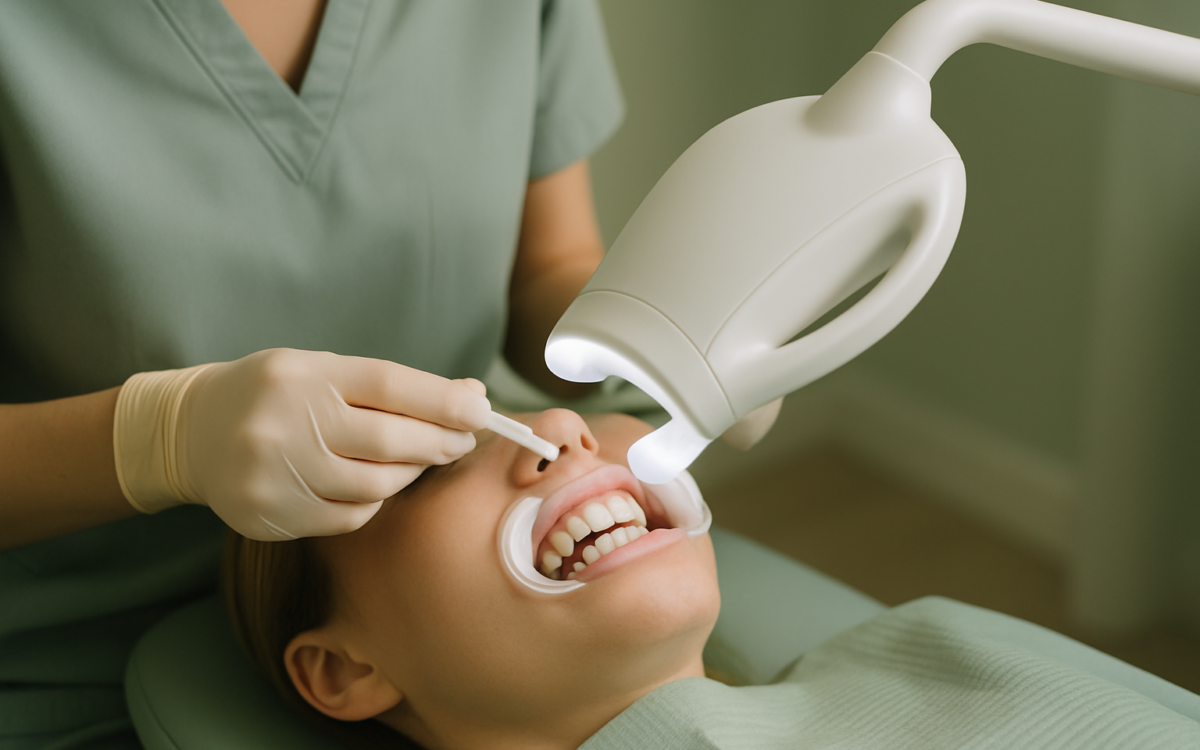
One of the most effective whitening options is in-office whitening, performed by a dental professional. This method uses a high-concentration bleaching agent that can lighten teeth several shades in just one visit. The process typically lasts about one hour, and the results are often immediate and dramatic.
In-office whitening is considered safe when conducted by a trained professional and can be customized based on individual needs.
2. At-Home Kits
If you prefer a more convenient option, at-home whitening kits are available. These usually come with custom trays and a whitening gel that you apply for a specified duration each day. While less potent than professional treatments, many at-home kits can still yield satisfactory results when used as directed.
3. Whitening Toothpaste
Whitening toothpaste is another popular choice. These products often contain mild abrasives or chemical agents that help remove surface stains. While they may brighten your smile to some extent, results are usually subtle compared to professional treatments.
4. Natural Remedies
Some people prefer natural whitening remedies, such as baking soda, hydrogen peroxide, or activated charcoal. While these methods may provide minor results for some, dental professionals caution against their frequent use, as they can potentially damage enamel.
Are Teeth Whitening Treatments Safe?
Safety is an important consideration when it comes to teeth whitening. Generally, whitening treatments are safe when used as directed. However, there are potential side effects, including:
- Tooth Sensitivity: Some individuals may experience heightened sensitivity to hot or cold temperatures following treatment, though this usually resolves within a short period.
- Gum Irritation: Bleaching agents can irritate soft tissues in the mouth if they come into contact with gums.
- Uneven Results: Poorly fitted trays can lead to uneven whitening or gum irritation.
To minimize risks, it’s advisable to consult your dentist before trying any whitening product. A dental professional can recommend suitable options based on your oral health.
Maintaining Your Whiter Smile
After achieving your desired shade of white, it’s essential to maintain your smile with a few simple practices:
- Good Oral Hygiene: Regular brushing and flossing help remove plaque and prevent new stains.
- Dietary Choices: Reducing the intake of stain-causing foods and beverages and rinsing your mouth with water after consuming them can help.
- Regular Dental Visits: Schedule routine check-ups and cleanings to keep your teeth in top shape and address any potential issues promptly.
When to See a Doctor
If you experience severe tooth sensitivity, prolonged gum irritation, or if you’ve tried whitening treatments without success, it’s essential to consult your dentist. They can assess your dental health and recommend safe and effective options tailored to your needs.
Conclusion
Teeth whitening treatments can be an effective way to enhance your smile and boost your confidence. With a wide range of options available, from professional in-office procedures to at-home kits, there’s likely a solution that fits your needs. However, it’s crucial to approach whitening with care, understanding the potential risks and consulting with a dental professional to ensure safety. Embrace your journey to a brighter smile, and remember that good oral hygiene is the key to maintaining those pearly whites.
