
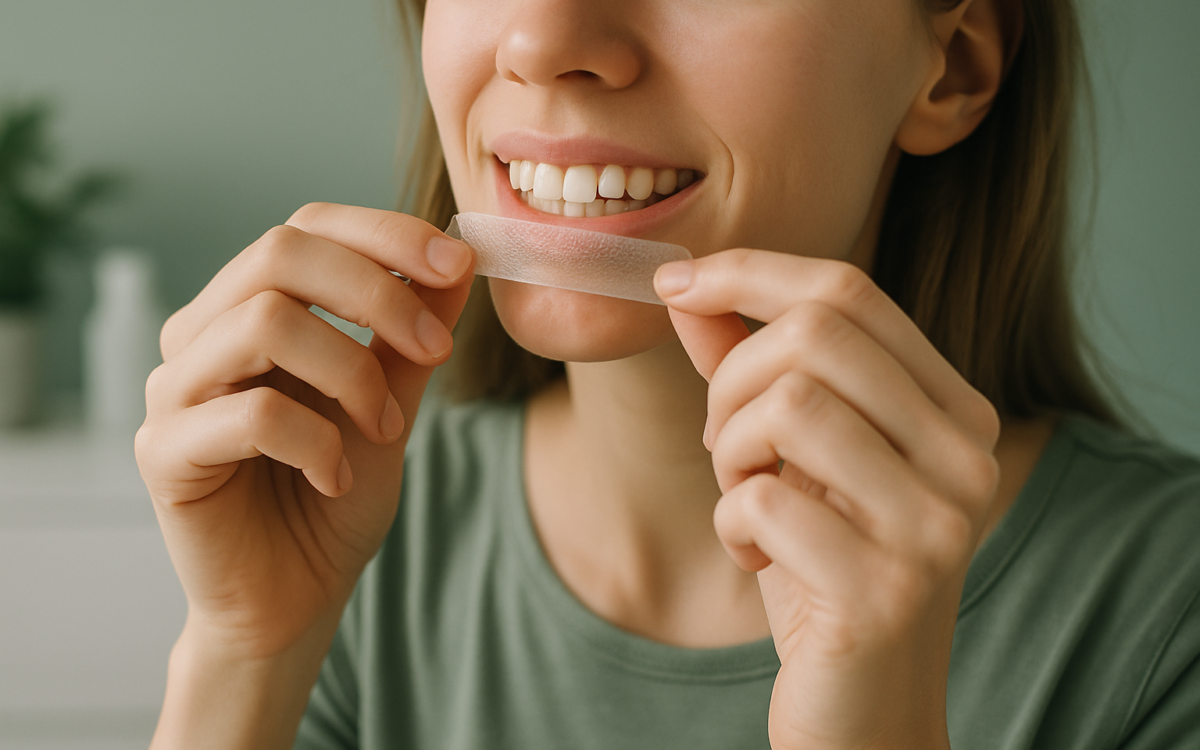
Many people dream of a bright, white smile, and for good reason. Our teeth naturally darken over time due to various factors like coffee, tea, and age. Among the popular options for achieving a whiter smile are white strips. But how effective are they, and how should they be used? In this article, we’ll dive into everything you need to know about white strips to help you make an informed decision.
What Are White Strips?
White strips are thin, flexible strips coated with a whitening gel that contains peroxide. They’re designed to adhere to the teeth and gradually lighten their color over time. The main ingredient in most whitening strips is hydrogen peroxide or carbamide peroxide, which are both effective bleaching agents.
How Do They Work?
The science behind white strips is quite simple. When the peroxide in the strips comes into contact with the enamel of your teeth, it penetrates the porous surface and helps to break down stains. This process can significantly lighten the teeth’s overall color.
Most brands recommend using the strips once or twice a day for a period ranging from a few days to several weeks, depending on the level of whitening desired. Instructions vary by brand, so it’s crucial to follow the manufacturer’s directions for best results.
Types of White Strips
There are several varieties of whitening strips on the market, ranging from over-the-counter (OTC) to professional treatments. Here’s a brief overview of the types:
- Over-the-Counter (OTC): These strips are readily available at pharmacies and grocery stores. They are typically less expensive and suitable for those looking for a subtle whitening effect.
- Professional Grade: These strips may contain higher concentrations of peroxide and are often sold by dental professionals. They can provide more drastic results, although they may also come with a higher price tag.
- Custom-Made Strips: Some dentists offer custom whitening strips tailored to fit your mouth, providing a more secure fit and potentially more effective whitening.
Benefits of Using White Strips
Many individuals choose whitening strips for their convenience and effectiveness. Here are a few benefits:
- Ease of Use: They are simple to apply and don’t require any special equipment. Most people can easily incorporate them into their daily routines.
- Cost-Effective: Compared to professional teeth whitening services, white strips are a more affordable option for those looking to brighten their smile.
- At-Home Convenience: You can use them in the comfort of your home, making them a great choice for busy lifestyles.
- Customizable: With various strengths and formulas available, users can select the product that best suits their needs.
Possible Side Effects
While many people experience positive results from using white strips, there are potential side effects to consider. Some common reactions include:
- Tooth Sensitivity: Some users may experience short-term sensitivity following treatment, particularly those with pre-existing sensitive teeth.
- Gum Irritation: If the strips come into contact with the gums, irritation can occur, leading to redness and discomfort.
- Uneven Whitening: In some cases, individuals may find that the whitening is not uniform, especially if the strips do not adhere properly.
It’s important to use these strips as directed to minimize the chance of any negative effects. If you have concerns about side effects or if you have sensitive teeth, consult with your dentist.
Considering Treatment in Turkey
For those considering professional teeth whitening treatments, dental tourism has become increasingly popular. Countries like Turkey offer high-quality dental care at more affordable rates than in the U.S. Many clinics specialize in teeth whitening, combining advanced technology with experienced professionals. If you’re planning a dental visit abroad, ensure that you research the clinic thoroughly and verify that they adhere to international health standards. For more information, you can explore options like treatment in Turkey.
When to See a Doctor
If you experience severe tooth sensitivity or gum irritation that persists after discontinuing the use of whitening strips, it’s a good idea to consult with your dentist. They can help determine if your symptoms are due to the whitening treatment or if other underlying issues may be at play.
Conclusion
In summary, white strips can be an effective solution for enhancing your smile. They offer convenience, a range of options, and the potential to restore that bright white color to your teeth. However, it’s essential to be mindful of potential side effects and to seek professional guidance for the best results. Having discussions with your dentist can lead to a treatment plan that meets your unique needs. Whether you choose to use white strips or opt for professional treatments, with the right care, you can confidently show off your dazzling smile!
