
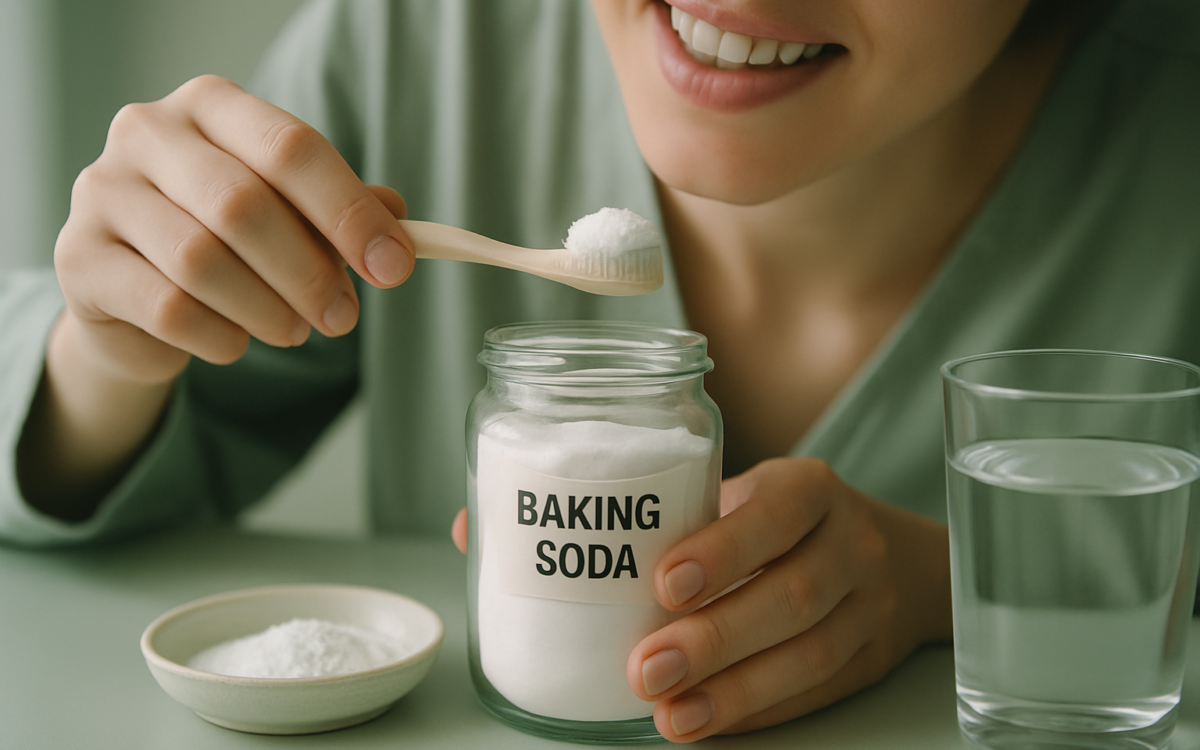
A bright, white smile can significantly boost your confidence. While many people turn to professional whitening treatments, others seek more affordable and natural alternatives. One common household item that has gained attention for its teeth-whitening properties is baking soda. But just how effective is it, and is it safe to use? In this article, we’ll explore the benefits and drawbacks of bleaching teeth with baking soda, helping you make an informed decision about your oral health.
What is baking soda?
Baking soda, scientifically known as sodium bicarbonate, is a white crystalline powder that is commonly used as a leavening agent in baking. Beyond its culinary uses, baking soda has also found a place in the health and beauty world. Its mild abrasive properties make it effective for cleaning and whitening, which is why many people consider it for teeth whitening.
How does baking soda whiten teeth?
Baking soda works through a process of abrasion. When used as a toothpaste, it gently scrubs the surface of your teeth, removing surface stains caused by foods, drinks, and habits like smoking. Additionally, baking soda is slightly alkaline, which can help neutralize acids in your mouth. This is beneficial because acidic environments can lead to enamel erosion, which may cause discoloration.
Benefits of using baking soda for teeth whitening
- Accessibility: Most households have baking soda available, making it a convenient option for whitening your teeth at home.
- Affordability: Compared to professional treatments, baking soda is a cost-effective solution for maintaining a whiter smile.
- Gentle Abrasiveness: The mild abrasive quality of baking soda helps remove stains without damaging the enamel as harshly as some commercial whitening products.
- Alkaline Benefits: Baking soda can help maintain a balanced pH in your mouth, reducing the risk of tooth decay and gum disease.
Methods for using baking soda as a teeth whitener
There are several ways to use baking soda for whitening your teeth. Here are a few popular methods:
1. Baking soda and water paste
One of the simplest ways to use baking soda is to create a paste with water. Mix two tablespoons of baking soda with enough water to form a thick paste. Use your toothbrush to apply the paste to your teeth, brushing gently for two minutes. Rinse thoroughly afterwards.
2. Baking soda and hydrogen peroxide
Hydrogen peroxide has natural whitening properties and can enhance the effects of baking soda. Mix one tablespoon of baking soda with one tablespoon of hydrogen peroxide to create a paste. Brush your teeth gently with this mixture for about two minutes, then rinse thoroughly. Use this method sparingly, as overuse can lead to sensitivity.
3. Baking soda and lemon juice
Lemon juice is often touted as a natural whitening agent due to its acidic nature. However, mixing baking soda with lemon juice can produce an abrasive paste that may be too harsh for regular use. If you choose to use this method, limit application to once a week and rinse your mouth thoroughly afterward to protect your enamel.
Potential risks of using baking soda on teeth
While using baking soda for teeth whitening can be effective, it’s essential to be aware of the potential risks:
- Enamel erosion: Overuse of baking soda can lead to enamel wear, making your teeth more susceptible to cavities. Enamel does not regenerate once lost, so moderation is key.
- Gum irritation: For some individuals, baking soda can irritate the gums, especially if they have sensitive skin or existing gum conditions.
- Whitening results vary: Baking soda may not be as effective as professional treatments, especially for deeper stains caused by certain medications or aging.
Expert opinions on baking soda teeth whitening
Health professionals typically agree that moderate use of baking soda can safely help maintain oral hygiene and remove surface stains. However, for optimal dental health and the best aesthetic results, using baking soda should not replace regular dental care practices. The Mayo Clinic suggests consulting with your dentist before starting any whitening treatment, especially homemade solutions, to avoid potential damage.
When to see a doctor
If you notice any signs of tooth sensitivity, persistent irritation in your gums, or if you have pre-existing dental issues, it’s crucial to consult with your dentist. They can provide guidance tailored to your specific needs and recommend safer, more effective whitening treatments if necessary.
Additionally, if you have questions about the long-term effects of baking soda on your dental health or if you’re considering alternative whitening methods, your dentist is the best source for information.
Conclusion
In conclusion, baking soda can be a helpful tool in your quest for a whiter smile when used judiciously. Its affordability and accessibility make it an attractive option for many. However, it’s essential to balance its benefits with the potential risks to your dental health. Regular dental visits, along with a good oral hygiene routine, are vital to maintaining a bright, healthy smile. Always consider discussing any new dental practices with your healthcare provider to ensure the best outcomes for your teeth and gums.
