
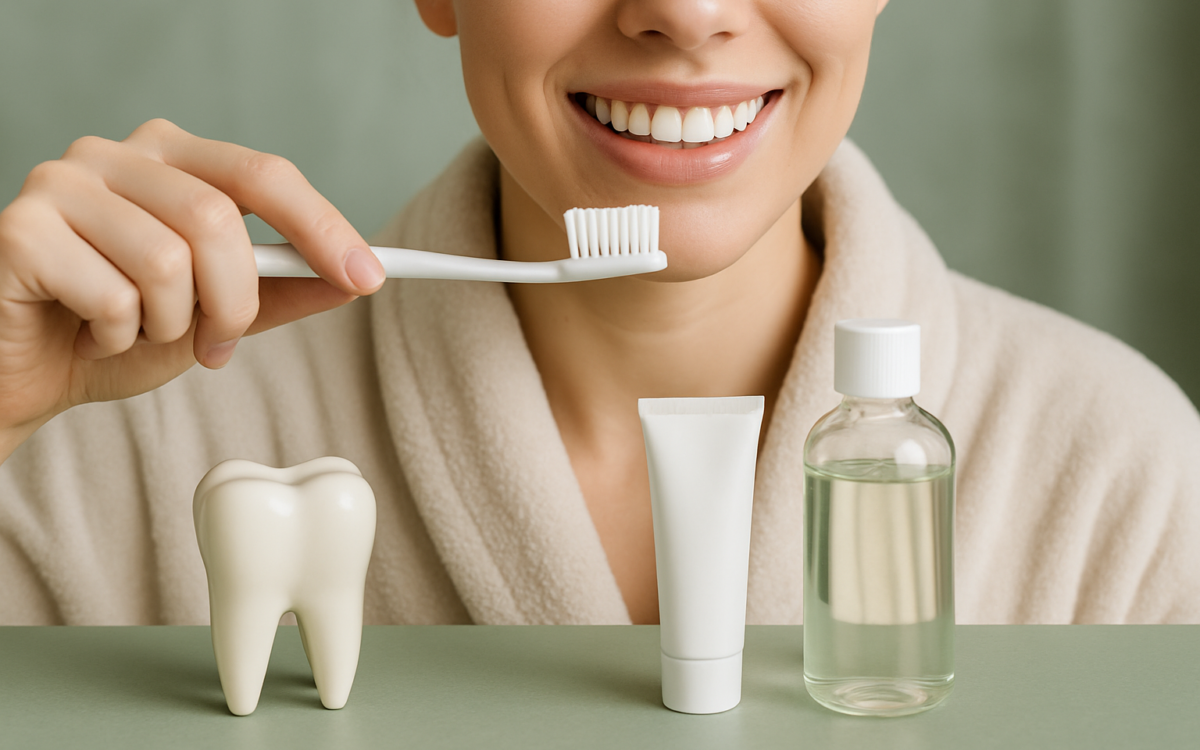
Having a bright, white smile can make a significant difference in how you feel about yourself and how others perceive you. While many people associate white teeth with good health and hygiene, achieving that pearly-white smile might take a bit of effort and know-how. Let’s explore some effective strategies to help you maintain whiter teeth and lovely smiles!
Understanding Tooth Discoloration
To truly understand how to have white teeth, it helps to know why teeth become discolored in the first place. There are a few primary reasons for tooth discoloration:
- Extrinsic Stains: These are surface stains caused by food, drinks (like coffee and red wine), and tobacco.
- Intrinsic Stains: These occur from within the tooth and can be a result of aging, certain medications, or excessive fluoride.
- Poor Oral Hygiene: Inadequate brushing and flossing can lead to plaque buildup, making your teeth appear dull.
By understanding these factors, you can take steps to prevent staining and keep your teeth looking vibrant.
Good Oral Hygiene Practices
One of the best ways to ensure your teeth remain white is by maintaining good oral hygiene. Here are essential practices:
- Brush Regularly: Brush your teeth at least twice a day using a fluoride toothpaste. Using a whitening toothpaste can help remove surface stains.
- Floss Daily: Flossing removes food particles and plaque that brushing alone may miss.
- Visit Your Dentist: Regular dental check-ups and cleanings are crucial. Dentists can remove plaque and tartar buildup that you might overlook.
Consider scheduling a professional cleaning every six months for optimal results. For more guidance on maintaining dental health, the Mayo Clinic provides valuable insights.
Natural Remedies to Whiten Teeth
If you’re looking for natural methods to brighten your teeth, several options exist:
- Baking Soda: Brushing with a baking soda paste can help whiten teeth, as it is a mild abrasive that scrubs away surface stains.
- Hydrogen Peroxide: This natural bleach can be used as a mouth rinse or mixed with baking soda to form a whitening paste. Use it sparingly to avoid sensitivity.
- Fruits like Strawberries and Pineapples: These fruits contain natural enzymes—malic acid in strawberries and bromelain in pineapples—which can help remove stains.
However, be careful with how often you use these methods, as overuse can wear down your enamel. Always consult your dentist before starting any at-home whitening regimen.
Professional Whitening Options
For those looking for faster, more dramatic results, professional whitening treatments can be highly effective. Here are some common options:
- In-Office Whitening: This procedure usually involves applying a stronger whitening gel directly to your teeth, often activated by a special light. You’ll see results in just one visit!
- At-Home Kits: Your dentist can provide professional-grade whitening kits that you can use at home. These often contain custom trays and higher concentrations of whitening agents.
If you’re considering traveling abroad for dental treatments, many facilities offer international patient services for dental care, including teeth whitening.
Foods and Drinks to Avoid
To maintain the whiteness of your teeth, it’s wise to be mindful of what you consume. Here are some foods and drinks known for causing stains:
- Coffee and Tea: Both contain tannins that can stain your teeth over time.
- Red Wine: Known for its deep color, red wine can leave pretty significant stains.
- Colored Soda: The acid and color in sodas can erode enamel and stain teeth.
- Some Berries: Blueberries and blackberries, while healthy, can contribute to discoloration.
When consuming these items, consider rinsing your mouth afterward or brushing your teeth to minimize potential staining.
When to See a Doctor
If your teeth remain stained despite your best efforts, or if you experience any discomfort or sensitivity, it’s important to consult your dentist. Regular check-ups can help identify any underlying issues that might be causing discoloration.
Conclusion
Having white teeth is achievable through a combination of good oral hygiene practices, mindful dietary choices, and possibly professional treatments. By adopting these strategies, you can confidently brighten your smile and enhance your self-esteem. Remember, every effort you make towards maintaining your dental health is a step towards a brighter, healthier future!
