
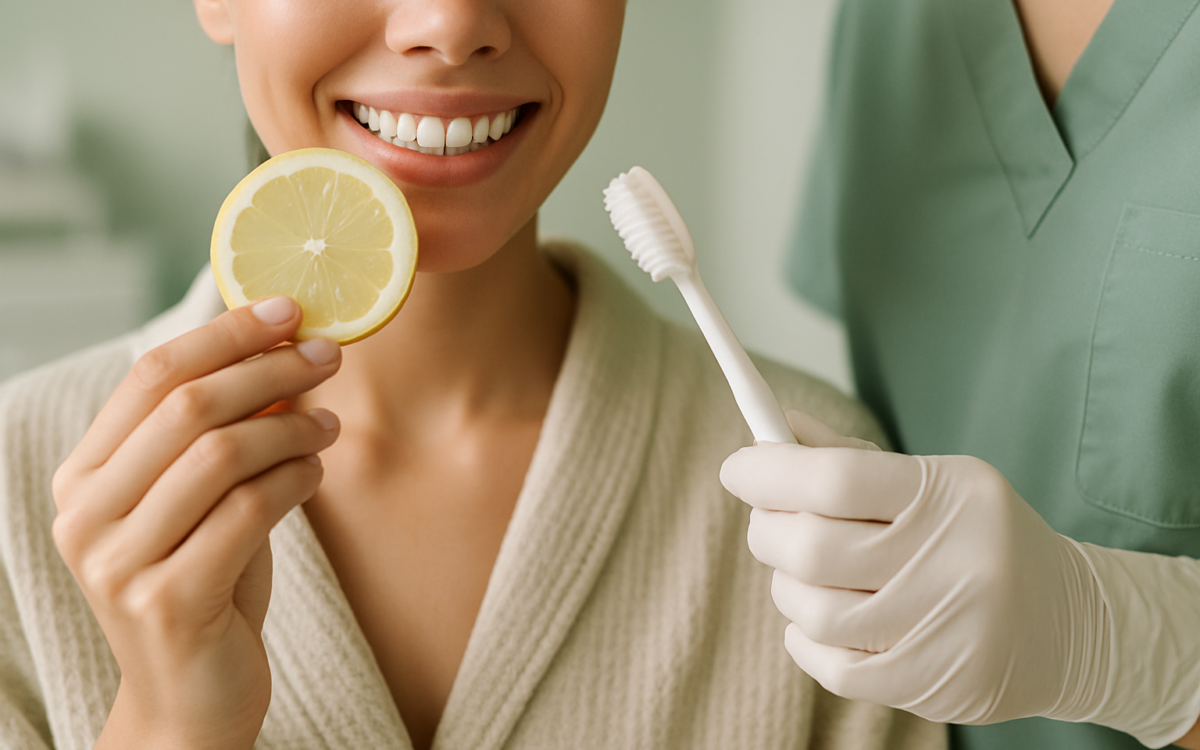
If you’ve ever dreamed of a brighter smile, you’re not alone. Many people are on the lookout for ways to achieve whiter teeth without resorting to harsh chemicals or costly treatments. Fortunately, there are several natural teeth whitening methods that may help you reach your goal. In this article, we’ll explore some effective and safe options to brighten your smile naturally.
The Science of Tooth Discoloration
Before we delve into natural whitening solutions, it’s important to understand why teeth can become discolored in the first place. Several factors can contribute to tooth staining, including:
- Food and beverages: Items like coffee, tea, red wine, and even certain fruits can stain your teeth.
- Tobacco use: Smoking or chewing tobacco can lead to severe discoloration.
- Age: As we age, the enamel on our teeth may wear down, revealing the yellow dentin beneath.
- Genetics: Some people simply have naturally yellower teeth.
- Medications: Certain medications, like tetracycline antibiotics, can cause staining.
Understanding these factors can help you make informed choices about your dental care and whitening efforts.
1. Baking Soda and Hydrogen Peroxide
One of the most popular natural whitening methods involves using baking soda and hydrogen peroxide. Baking soda is a mild abrasive that can help scrub stains from your teeth, while hydrogen peroxide is a natural bleaching agent.
To create a whitening paste, mix two tablespoons of baking soda with one tablespoon of hydrogen peroxide until it forms a thick consistency. Apply the paste to your teeth using a toothbrush, and let it sit for 5-10 minutes before rinsing thoroughly. However, use this method sparingly—once or twice a week is sufficient, as overuse can damage your enamel.
2. Activated Charcoal
Activated charcoal is another trendy natural teeth whitening option. This dark powder has gained popularity for its adsorptive properties, helping to remove impurities and stains from the teeth.
To use activated charcoal, wet your toothbrush, dip it into the powder, and brush your teeth gently for 2-3 minutes. Rinse thoroughly to remove any residue. Like baking soda, activated charcoal should not be used too frequently due to its abrasive nature—limit your use to a couple of times a month.
3. Coconut Oil Pulling
Coconut oil pulling is an ancient Ayurvedic practice that may help improve oral health and whiten teeth. This method involves swishing coconut oil in your mouth for about 15-20 minutes to remove bacteria and reduce plaque buildup.
To try oil pulling, take about one tablespoon of coconut oil and swish it around in your mouth. After the time is up, spit the oil out (do not swallow it), and rinse your mouth with water. This practice can help promote oral health and may lead to a whiter smile over time.
4. Fruit-Based Solutions
Certain fruits can also contribute to teeth whitening. Strawberries and pineapples, for instance, contain natural enzymes and acids that may help brighten your smile. Here are some tips on how to use them:
- Strawberry paste: Mash a ripe strawberry and mix it with baking soda to create a paste. Apply it to your teeth and leave it on for five minutes, then rinse well.
- Pineapple: Eating fresh pineapple can help promote teeth whitening due to bromelain, an enzyme that helps remove plaque. While enjoying this delicious fruit, it can also contribute to your oral health.
Although these methods can be enjoyable, remember moderation is key to avoiding any potential acidity damage to your enamel.
5. International Perspectives on Teeth Whitening
It’s interesting to note that natural teeth whitening methods are popular around the world. For example, some cultures use clay or minerals found locally, while others rely on specific plant extracts. In addition, various clinics worldwide offer innovative and natural approaches to oral care and teeth whitening. If you’re interested in exploring advanced or unique treatments, information can be found at acibademinternational.com, providing insights into international dental treatments that may incorporate natural methods.
6. Lifestyle Changes for Whiter Teeth
In addition to specific whitening methods, adopting some lifestyle changes can help maintain a bright smile. Here are some tips to consider:
- Maintain good oral hygiene: Brushing twice a day and flossing regularly can help prevent stains from forming.
- Avoid stain-causing foods and drinks: Reducing your consumption of coffee, tea, red wine, and dark-colored berries can help preserve your tooth color.
- Stay hydrated: Drinking plenty of water throughout the day can help wash away food particles and bacteria that may cause discoloration.
- Quit smoking: If you smoke, consider quitting to avoid further staining and improve your overall health.
By incorporating these habits into your routine, you can support your efforts toward a healthier and brighter smile.
When to See a Doctor
If you have concerns about persistent discoloration, sensitivity, or any other dental issues, it’s wise to consult a dentist. They can help determine the underlying cause of your teeth discoloration and recommend the most appropriate treatment options tailored to your needs.
While natural whitening methods can be effective for many, it’s important to remember that results may vary. Always consult with a dental professional if unsure or before starting a new treatment regimen.
Incorporating natural teeth whitening methods can bring you closer to your goal of a brighter smile. With the right approaches and maintenance, you won’t just improve your teeth’s appearance but also boost your confidence.
