
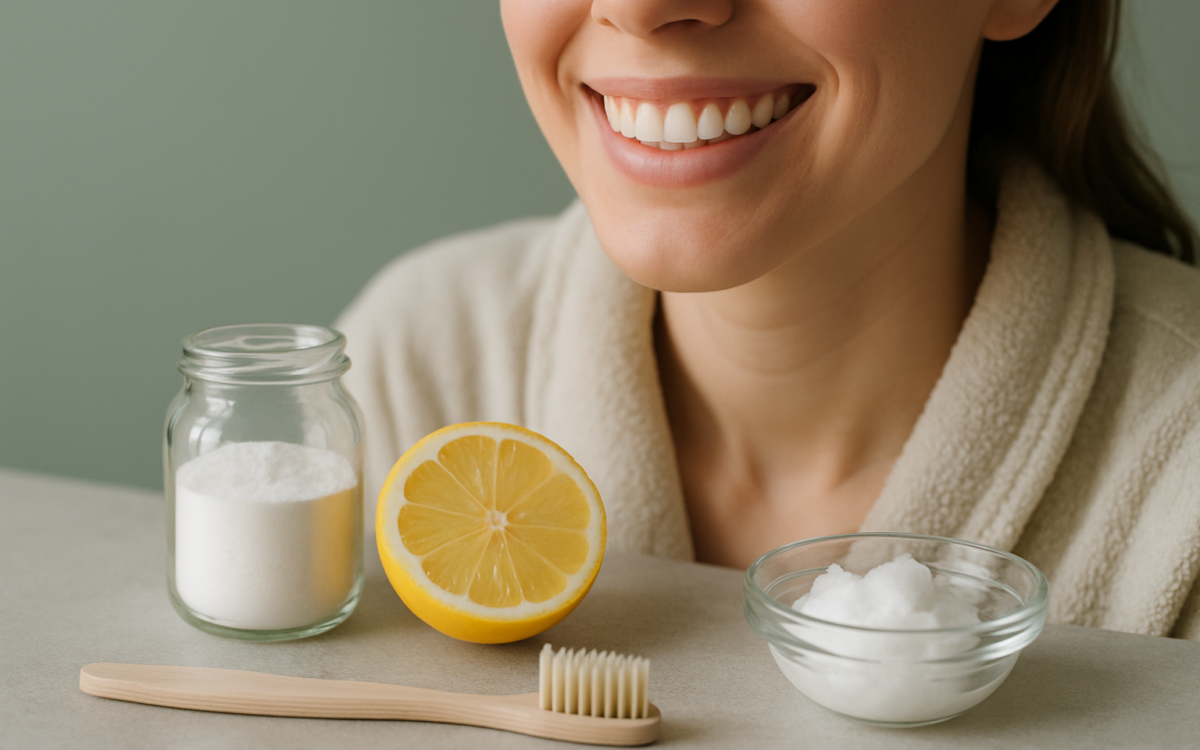
Having a bright, white smile can boost your confidence and enhance your appearance. However, many people are concerned with the chemicals and artificial ingredients found in commercial teeth whitening products. Fortunately, there are natural ways to achieve a brighter smile without compromising your dental health. In this article, we’ll explore various methods you can try right at home to naturally whiten your teeth.
Understanding the Causes of Tooth Discoloration
Before diving into natural remedies, it’s essential to understand why teeth become discolored in the first place. Common factors include:
- Diet: Foods and drinks like coffee, tea, red wine, and certain fruits can stain your teeth over time.
- Tobacco Use: Smoking or chewing tobacco products can severely darken tooth color.
- Age: As we grow older, the enamel on our teeth wears down, revealing the yellowish dentin beneath.
- Poor Oral Hygiene: Inadequate brushing and flossing can lead to tartar buildup, making teeth appear darker.
- Medications: Some medications can cause discoloration as a side effect.
Now that we understand what causes discoloration, let’s look at some natural methods to brighten your smile.
Baking Soda: A Gentle Abrasive
Baking soda is a popular natural tooth whitener. As a mild abrasive, it can help scrub away surface stains on your teeth.
To use baking soda, mix one tablespoon with a little water to form a paste. Use it as a toothpaste a few times a week, gently brushing your teeth with the mixture. Be cautious not to overdo it, as excessive brushing with baking soda can erode enamel. For more reliable dental care, consider reading guidelines from Mayo Clinic regarding proper oral hygiene.
Hydrogen Peroxide: A Natural Bleaching Agent
Hydrogen peroxide is a common ingredient in many whitening treatments and mouthwashes. It has antibacterial properties and acts as a bleaching agent to help lighten teeth.
To use hydrogen peroxide safely, mix equal parts of water and 3% hydrogen peroxide to create a mouth rinse. Swish it around in your mouth for about a minute before spitting it out. Avoid swallowing it, and use this method only a few times a week to prevent irritation. For more understanding of hydrogen peroxide’s safety, consult credible sources like the National Institutes of Health.
Fruits and Vegetables: Nature’s Scrubbing Tools
Certain fruits and vegetables can help clean teeth naturally and may even contribute to whitening. Here are a few to consider:
- Strawberries: They contain malic acid, which can naturally whiten teeth. Mash a few strawberries and apply the mixture to your teeth, leaving it on for about five minutes before rinsing.
- Pineapple: Pineapple contains bromelain, an enzyme that can help remove stains. Snacking on pineapple may help maintain a brighter smile.
- Apples, Carrots, and Celery: Crunchy fruits and vegetables can help scrub away plaque while boosting saliva production, which is essential for oral health.
Using these natural options can aid in keeping your smile bright while enhancing your overall health.
Coconut Oil Pulling: An Ancient Practice
Coconut oil pulling is a traditional Ayurvedic practice that may promote oral health by reducing harmful bacteria in the mouth and helping with teeth whitening.
To practice oil pulling, take a tablespoon of coconut oil and swish it around your mouth for 15-20 minutes. Spit it out in a trash can (not the sink, as it can clog plumbing) and brush your teeth as usual. Incorporating this into your routine a few times a week may contribute to a brighter smile.
Maintaining Good Oral Hygiene Habits
While home remedies can help brighten your smile, proper oral hygiene is crucial to prevent future discoloration. Here are some tips:
- Brush Twice Daily: Use fluoride toothpaste and brush for at least two minutes each time.
- Floss Daily: Flossing removes plaque and food particles from between teeth that brushing may miss.
- Limit Staining Foods: Be mindful of foods and drinks known to stain teeth, and try to rinse your mouth with water after consuming them.
- Visit Your Dentist Regularly: Regular checkups can help catch any issues early and maintain optimal oral health.
Your dentist can also provide professional cleaning and advice on the best whitening options tailored to your needs.
When to See a Doctor
If you notice persistent stains on your teeth despite trying natural remedies, or if you experience any pain or sensitivity, it’s a good idea to consult your dentist. They can evaluate your oral health and recommend appropriate treatments.
While many natural methods exist to whiten your teeth, it’s essential to prioritize safety and effectiveness. Experiment with these remedies, and remember that maintaining excellent oral hygiene is the best way to ensure a bright smile for years to come.
