
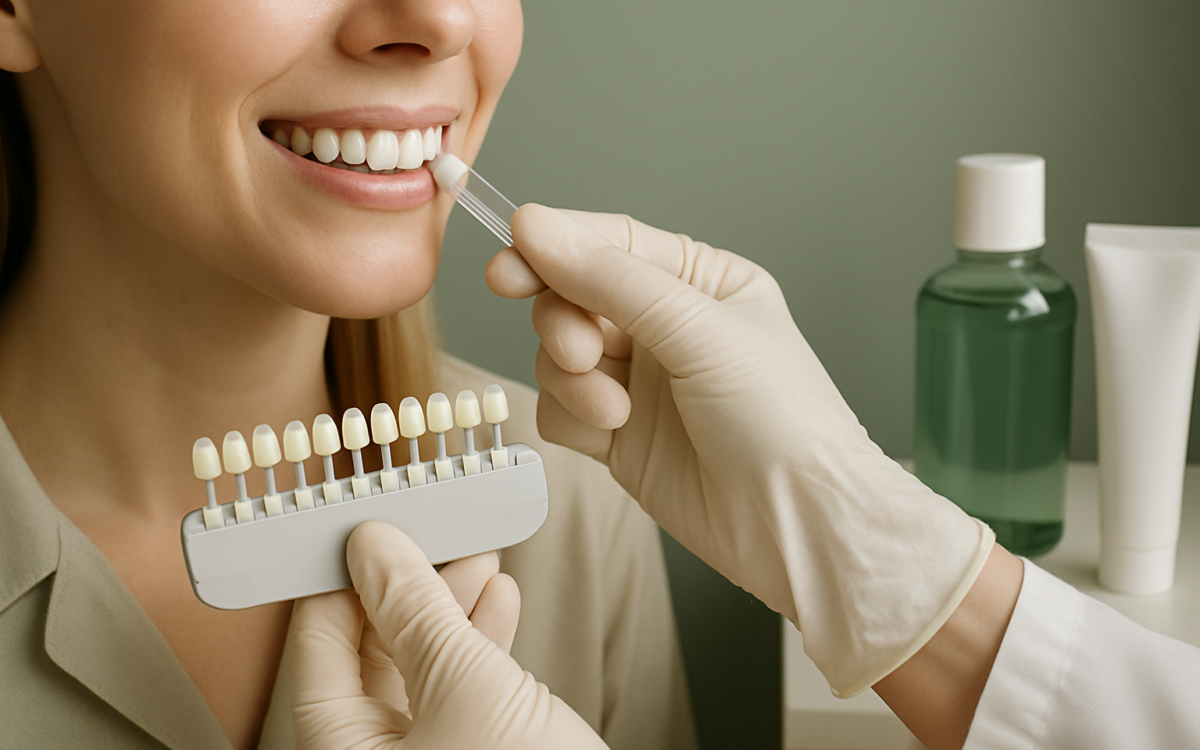
In a world that values bright smiles, many people seek ways to achieve whiter teeth. While pearly whites can enhance confidence and attractiveness, it’s essential to choose methods that are safe and effective. Here, we explore various strategies for whitening teeth, offering practical advice and insights on maintaining oral health.
Understanding Tooth Discoloration
Before diving into whitening techniques, it’s helpful to understand why teeth become discolored. Several factors contribute to the yellowing or dullness of teeth:
- Aging: As we age, the enamel on our teeth naturally wears down, revealing the darker dentin beneath.
- Diet: Consuming foods and beverages like coffee, tea, red wine, and certain berries can stain teeth.
- Tobacco Use: Nicotine and tar from smoking or chewing tobacco can lead to significant discoloration.
- Dental Hygiene: Poor oral hygiene can result in plaque buildup and stains.
Professional Whitening Options
If you’re looking for quick and effective results, professional whitening treatments can be a great option. Dentists offer different procedures, including:
- In-Office Bleaching: This method involves using a stronger bleaching agent and provides immediate results. It typically requires only one appointment.
- Take-Home Kits: Dentists can provide custom trays and whitening gel for at-home use, allowing for gradual whitening.
- Whitening Strips: Some dental offices offer stronger versions of over-the-counter whitening strips, which can be applied at home.
While these treatments are effective, it’s crucial to discuss them with your dentist to ensure they fit your dental health needs. You can find additional information on professional teeth whitening on the Mayo Clinic website.
At-Home Whitening Methods
If professional treatments are out of reach, several at-home solutions are available. Here are some popular and generally safe options:
Whitening Toothpaste
Many brands of toothpaste are specially formulated to remove surface stains. Look for those with the American Dental Association (ADA) Seal of Acceptance, ensuring they are safe and effective.
Baking Soda and Hydrogen Peroxide
A popular DIY method combines baking soda and hydrogen peroxide to create a whitening paste. While effective for some, it’s essential to use moderation to avoid enamel erosion.
Activated Charcoal
Some people swear by activated charcoal for teeth whitening. This substance attracts stains, but scientific evidence is limited, so caution is advised.
Oil Pulling
Oil pulling, an ancient practice, involves swishing oil (like coconut oil) in your mouth. While some claim it whitens teeth and improves oral health, results may vary, and more research is needed to support these claims.
For more on proper oral care, the CDC offers valuable resources.
Avoiding Stains and Maintaining White Teeth
Once you’ve achieved a brighter smile, it’s vital to maintain it. Here are some tips to prevent future discoloration:
- Practice Good Oral Hygiene: Brush twice a day and floss daily to remove plaque and food particles that can lead to stains.
- Consume Staining Foods in Moderation: Try to limit your intake of foods and drinks known to cause stains, or rinse your mouth with water after consuming them.
- Regular Dental Check-Ups: Visit your dentist regularly for cleanings and check-ups to help spot potential discoloration early.
Potential Risks and Considerations
While many whitening methods are generally safe, some may lead to unwanted side effects. Common issues include:
- Tooth Sensitivity: Whitening products can cause temporary sensitivity in some individuals.
- Gum Irritation: Bleaching agents may cause irritation if they come into contact with gums.
Before beginning any whitening regimen, especially if you have sensitive teeth or gum issues, consult your dentist to discuss the best options for you.
When to See a Doctor
If you experience extreme sensitivity, pain, or irritation during or after using any whitening product, it’s essential to consult your dentist. They can help determine the cause and suggest appropriate alternatives or solutions.
Conclusion
Achieving a brighter smile is possible through various techniques, from professional treatments to at-home remedies. However, it’s crucial to approach teeth whitening with care. Prioritize your dental health and consult your dentist for guidance on the best options tailored to your unique needs. With the right approach, you can enjoy a dazzling smile that boosts your confidence for years to come.
