
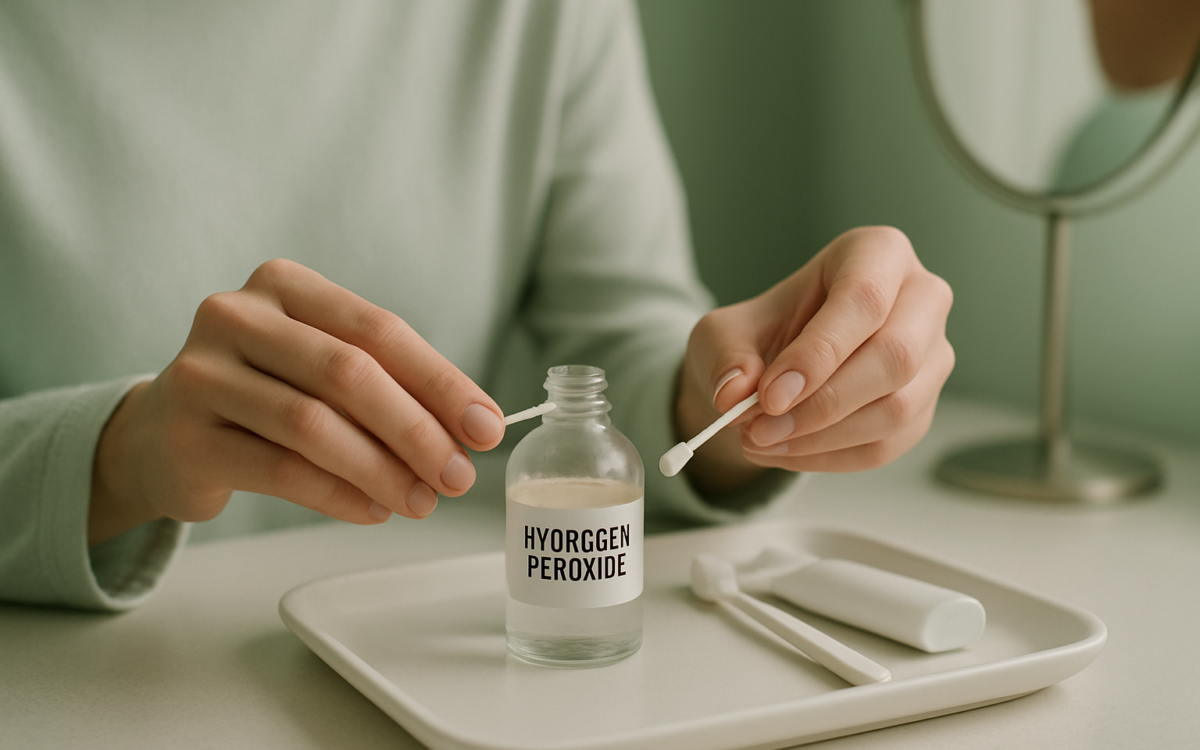
A bright, white smile is often associated with health and confidence. Many people seek ways to enhance their smile, and one popular method is using hydrogen peroxide as a teeth whitening solution. Hydrogen peroxide is an antiseptic used for wound cleaning, but it also has bleaching properties. In this article, we’ll explore how to safely use hydrogen peroxide to whiten your teeth, possible risks, and tips for achieving the best results.
What is Hydrogen Peroxide?
Hydrogen peroxide (H2O2) is a chemical compound composed of hydrogen and oxygen. It is commonly used for its antibacterial and antiseptic properties. In dental care, lower concentrations of hydrogen peroxide are used to help whiten teeth by breaking down stains and discoloration. Many over-the-counter teeth whitening products contain hydrogen peroxide as a key ingredient.
How Does Hydrogen Peroxide Whiten Teeth?
The whitening effect of hydrogen peroxide comes from its ability to penetrate the enamel of your teeth. Once inside, the hydrogen peroxide breaks down into water and oxygen, releasing free radicals. These free radicals are what actually initiate the bleaching process by breaking the bonds of stain molecules, effectively lifting them away from the tooth surface. This reaction also contributes to the lightening of the overall color of the teeth.
Using Hydrogen Peroxide for Teeth Whitening
Here are some safe methods to use hydrogen peroxide for teeth whitening:
1. Diluted Hydrogen Peroxide Rinse
- Mix equal parts of 3% hydrogen peroxide and water in a cup.
- Use this mixture as a mouth rinse for 30 seconds to 1 minute.
- Make sure not to swallow it, and rinse your mouth with water afterward.
- Limit this to 2-3 times a week to prevent irritation.
2. Hydrogen Peroxide Toothpaste
- Add a small amount of 3% hydrogen peroxide to a pea-sized amount of toothpaste.
- Brush your teeth gently with this mixture for 2 minutes.
- Rinse your mouth thoroughly with water afterward.
- This method can be done once or twice a week.
3. Hydrogen Peroxide and Baking Soda Paste
- Mix 1 tablespoon of baking soda with 2 tablespoons of 3% hydrogen peroxide.
- Stir to form a thick paste.
- Apply the paste to your toothbrush and brush gently for 2 minutes.
- Rinse your mouth well with water.
- This can be used once a week to reduce the risk of enamel erosion.
Precautions When Using Hydrogen Peroxide
While hydrogen peroxide can help whiten your teeth, it’s important to use it carefully:
- Concentration: Only use 3% hydrogen peroxide for at-home whitening. More concentrated solutions should only be used under dental supervision.
- Avoid Overuse: Using hydrogen peroxide too frequently can lead to tooth sensitivity and enamel erosion. Stick to the recommended frequency.
- Watch for Irritation: If you notice gum irritation, sensitivity, or other adverse reactions, discontinue use and consult your dentist.
When to See a Doctor
If you experience persistent tooth sensitivity, gum irritation, or if your teeth do not improve after several treatments with hydrogen peroxide, it’s important to consult your dentist. A dental professional can assess your oral health and suggest alternative whitening treatments that may be more effective or suitable for you. For more information on toothpaste ingredients and oral hygiene practices, consider visiting resources like the Mayo Clinic and the CDC.
Conclusion
Hydrogen peroxide can be an effective and affordable way to brighten your smile when used properly. By understanding how it works and following safe practices, you can reduce stains and improve the appearance of your teeth. Remember to combine any whitening method with good dental hygiene and regular visits to the dentist for optimal oral health. Always consult with a dental professional before starting any at-home whitening regimen, especially if you have concerns about sensitivity or other oral conditions.
