
A bright, white smile is often associated with health and beauty, but achieving great teeth whitening can sometimes feel overwhelming. With a myriad of products and methods available, it’s easy to get lost in the options. Whether you’re battling stains from coffee, tea, or tobacco, or simply looking to enhance your smile, understanding the best whitening options is essential. This guide will help you navigate through the world of teeth whitening safely and effectively.
Understanding Teeth Stains
Before jumping into whitening solutions, it’s important to know what causes tooth stains. There are two main types of tooth discoloration:
- Extrinsic stains: These stains form on the outer surface of the teeth and are often caused by foods and beverages like red wine, coffee, and berries. Smoking also contributes to extrinsic staining.
- Intrinsic stains: These occur inside the tooth, usually due to factors like trauma, aging, or excessive fluoride exposure during childhood.
Understanding the type of stain can help in choosing the right whitening method.
At-Home Whitening Solutions
At-home teeth whitening products can be a convenient and effective option. Here are a few popular methods:
1. Whitening Toothpaste
Whitening toothpaste works by using mild abrasives and chemical agents to remove surface stains. These products are typically safe for daily use but can take longer to see results compared to other methods.
2. Whitening Strips
Whitening strips are thin, flexible plastic strips coated with a whitening gel. They are generally applied for a short time, usually 30 minutes, and can yield noticeable results in a few days. Look for products that contain hydrogen peroxide for the best effects. Always follow the package instructions.
3. Whitening Trays
Custom or over-the-counter whitening trays filled with gel can provide more uniform results. Custom trays provided by your dentist may offer better fit and effectiveness. Depending on the concentration of the whitening agent, you may use them overnight or during the day.
Professional Whitening Treatments
If you’re looking for faster results, professional whitening treatments at a dentist’s office might be the answer. Here are some common procedures:
1. In-Office Bleaching
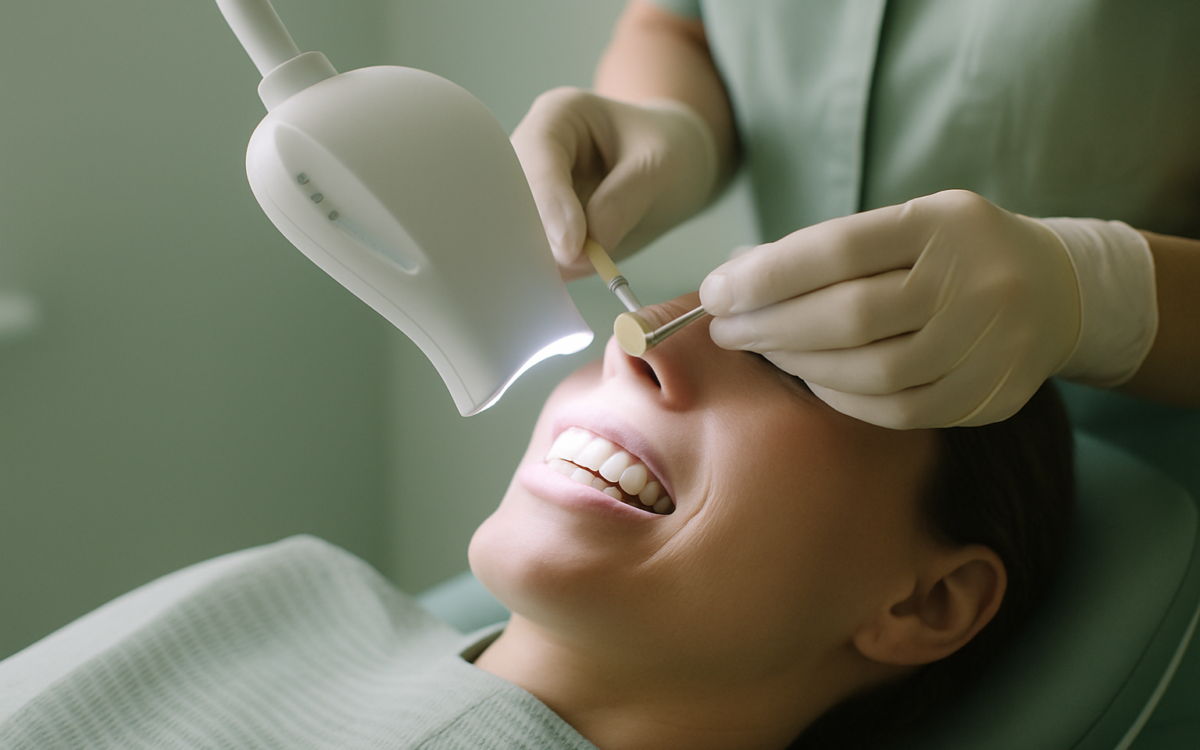
In-office bleaching involves applying a strong bleaching agent directly to the teeth. The dentist may use a special light to enhance the whitening process, and results can often be seen in just one visit. According to the Mayo Clinic, this option is effective for both extrinsic and intrinsic stains.
2. Professional Take-Home Kits
Dentists may also offer take-home whitening kits with stronger bleaching agents than those available over the counter. These kits typically involve a custom-fit tray, which helps ensure even application.
Natural Whitening Alternatives
If you prefer a more natural approach, there are several home remedies believed to help whiten teeth:
1. Baking Soda
Baking soda has natural whitening properties. Mixing a small amount with water to form a paste can be used as a gentle scrub once a week. However, overuse may harm your enamel.
2. Hydrogen Peroxide
This common household item is often found in commercial whitening products. Diluting hydrogen peroxide with water and using it as a mouthwash may help lighten stains. However, it’s important to use it cautiously to avoid irritation and damage to your gums.
3. Apple Cider Vinegar
Although it’s a popular natural remedy, apple cider vinegar should be used sparingly due to its acidity, which can erode tooth enamel over time.
Maintaining Your Results
Once you’ve achieved that bright smile, it’s essential to maintain it with good oral hygiene and dietary choices:
- Brush twice a day and floss daily to remove plaque and prevent stains.
- Limit consumption of staining foods and drinks.
- Consider using a straw for beverages that can stain your teeth, like red wine or soda.
- Regular dental cleanings can also help keep your smile shining.
When to See a Doctor
If you experience severe tooth sensitivity or gum irritation after using whitening products, it’s a good idea to consult your dentist. Additionally, if you notice any changes in your oral health, such as persistent staining despite treatment or pain, a dental professional can assess any underlying issues.
Conclusion
Great teeth whitening is achievable through a variety of methods, whether you choose at-home solutions, professional treatments, or natural alternatives. Understanding the causes of tooth discoloration and the options available can empower you to make informed choices for a healthier, brighter smile. Always remember to consult with your dentist before starting any new whitening regimen to ensure it’s safe and appropriate for you.
