
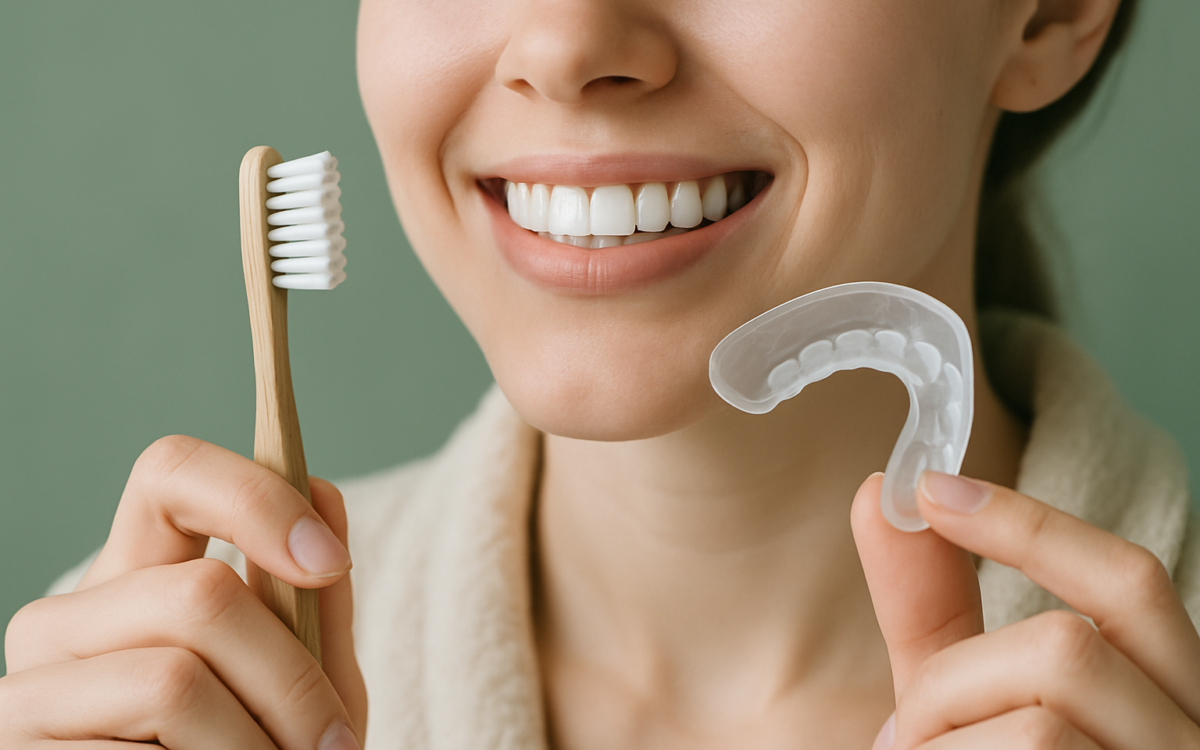
Having a bright, white smile can boost your confidence and enhance your overall appearance. While many people desire whiter teeth, achieving that goal can sometimes feel overwhelming with so many products and methods available. In this guide, we’ll explore safe and effective ways to achieve whiter teeth, offering insights into both home remedies and professional treatments.
Understanding Tooth Discoloration
To effectively whiten your teeth, it’s essential to understand what causes discoloration. Teeth can become yellow or stained due to a number of factors, including:
- Diet: Foods and beverages such as coffee, tea, red wine, and certain fruits can stain your teeth.
- Tobacco Use: Smoking or chewing tobacco can lead to significant discoloration.
- Aging: As we age, the outer layer of enamel on our teeth wears away, revealing the yellower dentin underneath.
- Oral Hygiene: Poor dental care can contribute to plaque buildup, leading to yellowed teeth.
Basic Oral Hygiene Practices
The first step to achieving whiter teeth is maintaining a strong oral hygiene routine. This includes:
- Brushing Twice Daily: Brush your teeth for at least two minutes with fluoride toothpaste. Make sure to brush all surfaces of your teeth.
- Flossing Regularly: Flossing helps remove plaque and food particles between teeth that a toothbrush may miss, preventing stains.
- Regular Dental Checkups: Visiting your dentist at least twice a year for checkups and professional cleanings can help keep your teeth healthy and bright.
Whitening Products You Can Use at Home
If your teeth need a boost beyond basic hygiene, consider at-home whitening products. Here are some popular options:
Whitening Toothpastes
Many whitening toothpastes contain abrasives and chemical agents that can help polish teeth and break down stains. Look for products with the American Dental Association (ADA) Seal of Acceptance, which ensures they have been scientifically proven effective and safe.
Whitening Strips and Gels
Over-the-counter whitening strips and gels are applied directly to the teeth and are typically more effective than regular toothpaste. These products usually contain hydrogen peroxide or carbamide peroxide. Follow the instructions carefully to achieve the best results, and remember that overuse can lead to tooth sensitivity.
Natural Remedies for Teeth Whitening
If you prefer a more natural approach, there are several home remedies that some people find helpful:
Baking Soda and Hydrogen Peroxide
A mixture of baking soda and hydrogen peroxide can create a paste that may help whiten teeth. Use this paste sparingly, as excessive use can damage enamel.
Apple Cider Vinegar
Some people use apple cider vinegar as a natural whitening agent due to its mild acidity. However, it’s crucial to use it carefully, as too much acidity can erode tooth enamel. Always rinse your mouth with water afterward.
Fruits and Vegetables
Certain fruits and crunchy vegetables, like strawberries and apples, can help remove surface stains due to their texture and natural acids. Including these in your diet can contribute to a healthier smile.
Professional Whitening Treatments
If you’re looking for more dramatic results, professional whitening treatments from a dentist might be the way to go. These options may include:
In-Office Whitening
This treatment involves applying a stronger whitening solution that is activated by a special light. It usually takes about an hour and can result in several shades of whitening in just one visit.
Custom Take-Home Kits
Your dentist may also provide a custom take-home kit with a whitening gel and trays made specifically for your mouth. These kits allow for gradual whitening and can offer more effective results than over-the-counter products.
Maintaining Your Whiter Smile
Once you achieve your desired shade, it’s essential to maintain your bright smile:
- Avoid Staining Foods and Drinks: If you know certain foods tend to stain, limit their consumption or rinse your mouth afterward.
- Drink Water: Staying hydrated helps wash away food particles and prevents staining.
- Use a Straw: When drinking beverages that stain, using a straw can help minimize contact with your teeth.
- Consider Touch-Up Treatments: Depending on your habits, you may want to do occasional at-home touch-ups or professional treatments to keep your smile bright.
When to See a Doctor
If you experience persistent tooth discoloration despite good oral hygiene, or if you have concerns about tooth sensitivity and staining, it may be time to consult a dentist. They can help identify any underlying issues and recommend appropriate treatment options.
For more information on dental health and oral care, visit the National Heart, Lung, and Blood Institute or the Mayo Clinic.
In summary, while many options are available to help you achieve whiter teeth, a combination of regular oral hygiene, at-home products, and professional treatments are often the most effective strategy. By taking care of your teeth, you can enjoy a brighter smile and better overall dental health.
