
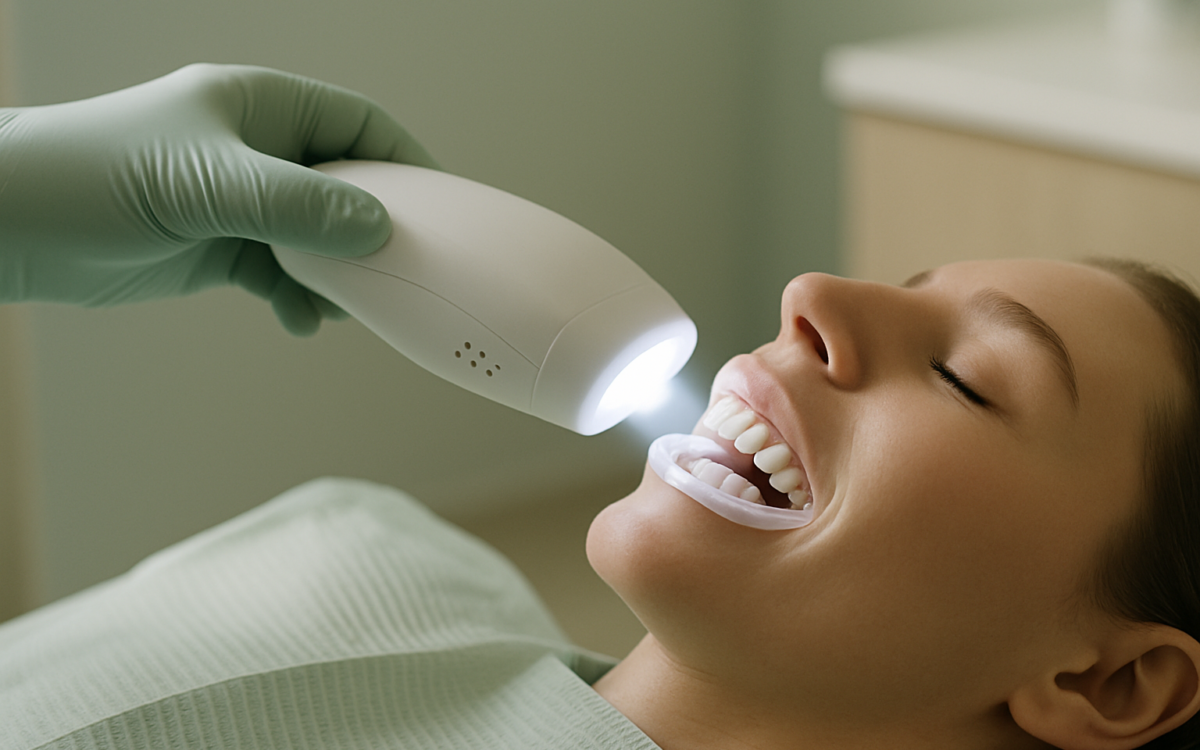
A bright, white smile can boost your confidence and make a great first impression. Teeth whitening systems have gained popularity among many people looking to improve the appearance of their smile. With a variety of options available ranging from at-home kits to professional treatments, it can be difficult to know which choice is best for you. This article will guide you through the different types of teeth whitening systems, their effectiveness, and safety tips for achieving a brighter smile.
Understanding Teeth Discoloration
Teeth can become discolored for several reasons, including aging, diet, and oral hygiene habits. Common culprits of teeth staining include:
- Coffee and tea
- Red wine
- Certain fruits and vegetables
- Tobacco products
As we age, the enamel on our teeth naturally wears down, revealing the darker dentin underneath. Understanding why your teeth may be discolored is the first step in choosing the right whitening system for your needs.
Types of Teeth Whitening Systems
There are several types of teeth whitening systems available, which can be categorized into two main groups: professional treatments and at-home products.
Professional Whitening Treatments
Professionally administered whitening treatments are typically performed in a dental office. These treatments often use higher concentrations of whitening agents, leading to quicker and more dramatic results. There are two main types:
- In-office bleaching: A dentist applies a whitening gel to your teeth and may use a special light to enhance the process. Sessions usually last about an hour.
- Custom take-home trays: Your dentist provides custom-fitted trays filled with a whitening solution to use at home. This method generally takes a couple of weeks for optimal results.
According to the Mayo Clinic, professional treatments are safe when administered by a qualified dental professional, and they often provide the best outcome.
At-Home Whitening Kits
At-home whitening kits offer a convenient and often more affordable option. These kits typically include strips, gels, or trays that contain hydrogen peroxide or carbamide peroxide, the active ingredients that whiten teeth. Here’s a closer look at some popular at-home options:
- Whitening strips: Thin plastic strips coated with a whitening gel can be placed directly on the teeth. They are usually easy to use and can deliver noticeable results.
- Whitening trays: Similar to those used in professional treatments, over-the-counter trays may not be custom-fitted, so results can vary.
- Whitening toothpaste: These contain mild abrasives and chemicals to remove surface stains. While they can help with minor discoloration, they usually won’t significantly whiten teeth.
While convenient, it’s crucial to follow the instructions carefully and consult with your dentist before beginning any at-home whitening system.
Effectiveness of Teeth Whitening Systems
The effectiveness of a teeth whitening system can vary based on the individual and the method used. Professional treatments tend to produce faster and more noticeable results than at-home products. Here are some factors that influence the success of the whitening process:
- Type of discoloration: Whitening systems are most effective on yellowish stains caused by aging or dietary habits. Brown or gray-toned stains may not respond as well.
- Concentration of active ingredients: Higher concentrations of whitening agents generally yield better results, which is why professional treatments are often more effective.
- Duration of treatment: Following the product’s instructions, including recommended wear times, can impact how successful the whitening process will be.
Ultimately, it’s essential to set realistic expectations and understand that some people may not achieve the ultra-white effect they desire, particularly those with intrinsic discoloration.
Safety and Side Effects
While many people safely use teeth whitening systems, some may experience side effects. Common side effects can include:
- Tooth sensitivity
- Gum irritation
- Uneven whitening results
The CDC emphasizes the importance of consulting with your dentist before starting any whitening treatments, especially if you have existing dental problems or concerns. Using a system that is not recommended or misusing a product can lead to complications.
Tips for Safe Whitening
To maximize the effectiveness and safety of your whitening system, consider the following tips:
- Consult with your dentist to determine the best option for your dental health.
- Always follow the manufacturers’ instructions carefully.
- Avoid overuse of whitening products, as this can lead to increased sensitivity and damage to your enamel.
When to See a Doctor
If you experience severe side effects, such as persistent tooth sensitivity, gum swelling, or if you do not see results after following the recommended treatment, it’s important to consult your dentist. They can help address any issues and guide you on the best next steps for your dental care.
Conclusion
Teeth whitening systems can be an effective way to enhance your smile and boost your confidence. Whether you choose a professional treatment or an at-home kit, understanding the options available, their effectiveness, and safety considerations is essential. Always consult with your dentist to find the right approach for your unique dental needs. With the proper information and care, you can work towards achieving a brighter, more radiant smile.
