
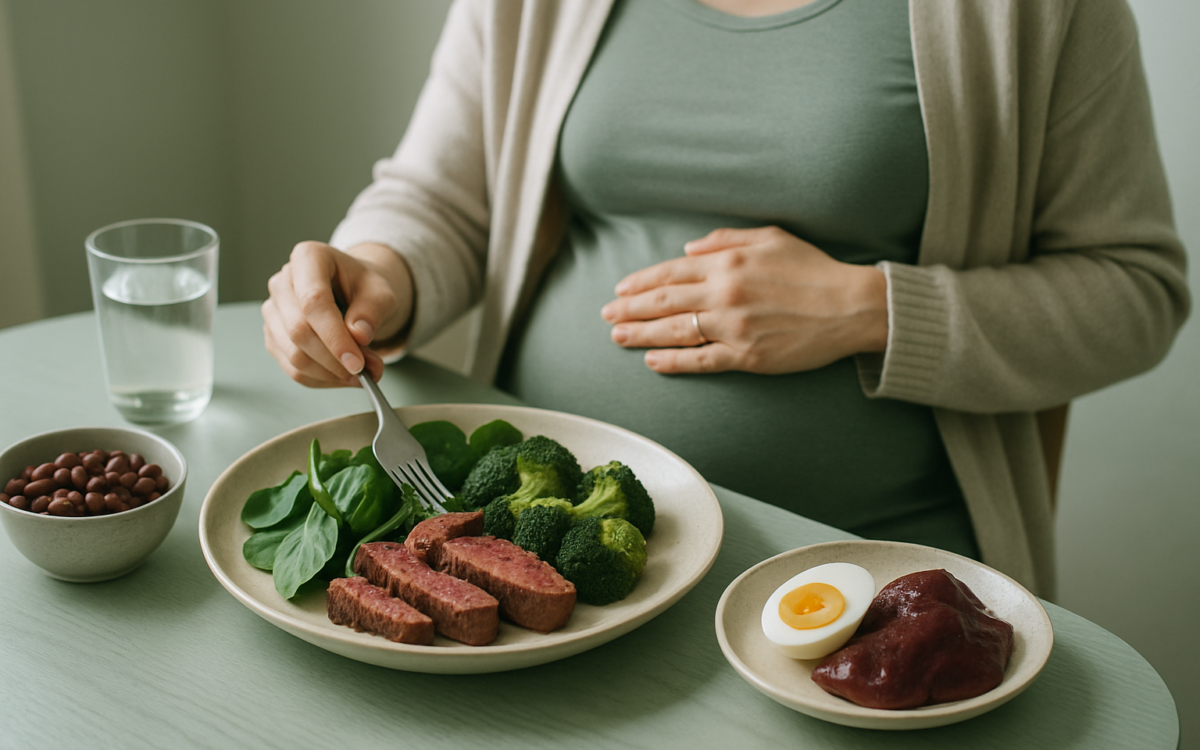
When you’re pregnant, what you eat is more important than ever. Your body is working hard to nourish your growing baby, and having a diet rich in essential nutrients is key. One of the most crucial nutrients to pay attention to during pregnancy is iron. This mineral plays a vital role in your health and the development of your baby.
Why Is Iron Important During Pregnancy?
Iron is essential for producing hemoglobin, the protein in red blood cells that carries oxygen throughout your body and to your baby. During pregnancy, your blood volume increases significantly, meaning you need more iron to support this change. The body also uses iron to help develop the placenta and fetus
According to the Centers for Disease Control and Prevention (CDC), pregnant women need about 27 milligrams of iron daily, which is more than double the amount required for non-pregnant women. Sufficient iron levels can help prevent iron deficiency anemia, a condition that could result in fatigue, dizziness, and complications during labor.
Sources of Iron
There are two types of dietary iron: heme and non-heme iron. Heme iron is found in animal products and is more easily absorbed by the body. Non-heme iron is found in plant sources and fortified foods.
Heme Iron Sources
- Red meat (beef, lamb)
- Poultry (chicken, turkey)
- Fish and shellfish (salmon, tuna, shrimp)
Non-Heme Iron Sources
- Legumes (lentils, beans, chickpeas)
- Leafy greens (spinach, kale)
- Nuts and seeds (pumpkin seeds, almonds)
- Fortified cereals and grain products
- Dried fruits (apricots, raisins)
Enhancing Iron Absorption
While including iron-rich foods in your diet is crucial, it’s also important to consider how to enhance your body’s absorption of iron. Here are some tips:
- Pair with Vitamin C: Consuming vitamin C-rich foods alongside iron sources can help increase absorption. Consider adding oranges, strawberries, or bell peppers to your meals.
- Avoid Certain Beverages: Some beverages such as tea and coffee contain tannins, which can inhibit iron absorption. Try to consume these beverages between meals rather than with them.
- Cook with Cast Iron: Cooking in cast iron pans can actually add iron to your food, particularly when cooking acidic foods like tomatoes.
Meal Ideas for an Iron-Rich Diet
Creating meals that are both delicious and rich in iron can be simple with a little planning. Here are some meal ideas to incorporate into your diet:
Breakfast
- Oatmeal topped with dried fruits and a handful of nuts
- Whole grain toast with eggs and spinach
- Fortified cereal with fresh fruit and a glass of orange juice
Lunch
- Quinoa salad with black beans, diced peppers, and a citrus dressing
- Turkey wrap with hummus and mixed greens
- Chickpea salad with tomatoes and feta
Dinner
- Grilled chicken paired with sautéed kale and brown rice
- Stir-fried tofu with broccoli and carrots over whole grain rice
- Beef stew with kidney beans and vegetables
Iron Supplements: Do You Need Them?
While a healthy diet is usually the best way to get your nutrients, some pregnant women may find it challenging to meet their iron requirements through food alone. In such cases, your healthcare provider may recommend iron supplements.
According to the National Institutes of Health, it’s essential to consult with your healthcare provider before starting any supplementation. They can assess your iron levels and determine if supplementation is necessary, as excessive iron intake can lead to health complications.
When to See a Doctor
If you’re concerned about your iron levels or experience symptoms like severe fatigue, paleness, or shortness of breath, it’s important to discuss these with your doctor. They can perform tests to check your iron status and provide guidance tailored to your needs.
Conclusion
Maintaining an iron-rich diet during pregnancy not only supports your health but also helps ensure that your baby develops properly. By focusing on both heme and non-heme iron sources, enhancing absorption, and considering supplementation if necessary, you can empower yourself to meet your nutritional needs. Remember, staying informed and consulting with your healthcare provider is key to navigating your pregnancy journey.
