
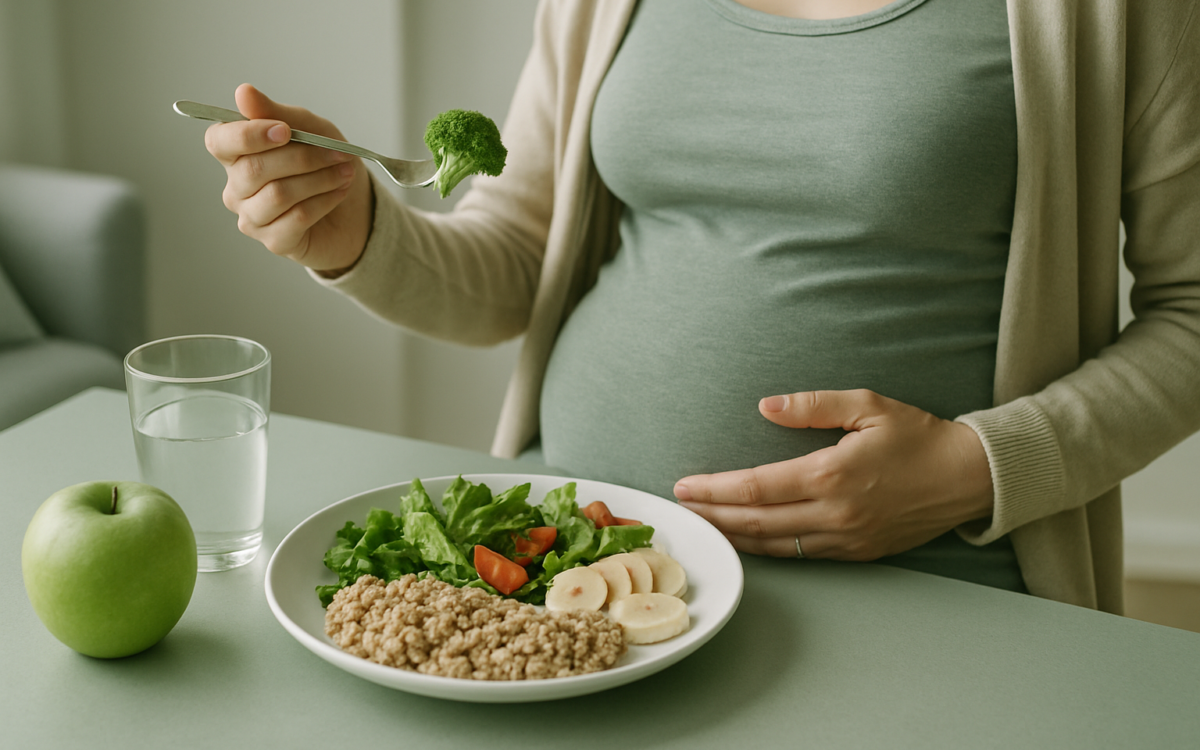
Pregnancy is a unique and exciting time that comes with many changes. One of the key considerations for expecting mothers is nutrition, particularly how many calories they should consume. With so much information available, it can sometimes be confusing to know what is best for you and your growing baby. Let’s explore how to determine your calorie needs during pregnancy and why they matter.
Calories: Why They Matter During Pregnancy
Calories are units of energy that your body needs to function. During pregnancy, your body undergoes numerous changes, and your energy needs increase to support the development of your baby. It’s essential to consume enough calories not just for yourself but for the healthy growth of your child.
How Many Extra Calories Do You Need?
Generally, during the first trimester, most women do not need to increase their calorie intake. Your body can usually meet its needs through a balanced diet that includes fruits, vegetables, whole grains, lean proteins, and healthy fats. However, from the second trimester onward, you may need additional calories.
The typical recommendation is:
- Second trimester: An additional 340 calories per day
- Third trimester: An additional 450 calories per day
These numbers may vary based on individual factors like weight, age, and activity level. It’s crucial to consult with your healthcare provider to get personalized advice on your calorie needs during pregnancy.
Quality Over Quantity: Nutritional Focus
While knowing how many extra calories you need is important, focusing on the quality of those calories is equally vital. It’s not just about eating more; it’s about eating better. Here are some nutrient-dense foods to consider:
- Fruits and Vegetables: These are low in calories but high in essential vitamins and minerals.
- Whole Grains: Foods like brown rice, quinoa, and whole grain bread provide energy and fiber.
- Lean Proteins: Sources include chicken, fish, beans, and legumes, which are important for the development of your baby.
- Dairy Products: Milk, yogurt, and cheese offer calcium and protein.
- Healthy Fats: Foods like avocados, nuts, and olive oil contribute to overall health.
Tailoring a meal plan that includes these foods can help meet your calorie needs while also providing essential nutrients for you and your baby.
Weight Gain Guidelines
Along with calorie intake, it’s essential to consider weight gain during pregnancy. The amount of weight you should gain can depend on various factors, including your pre-pregnancy weight. The general guidelines from the CDC are as follows:
- Underweight (BMI less than 18.5): 28-40 pounds
- Normal weight (BMI 18.5-24.9): 25-35 pounds
- Overweight (BMI 25-29.9): 15-25 pounds
- Obese (BMI over 30): 11-20 pounds
These recommendations are general; speak with your healthcare provider about your unique situation. Gaining a healthy amount of weight is crucial, as it can impact your baby’s development and your health during delivery.
Listening to Your Body
Pregnancy can cause fluctuating hunger levels. Some women experience cravings, while others may feel nauseous, especially in the first trimester. Pay attention to your body’s signals:
- Cravings: If you crave a specific food, opting for a healthier version can be satisfying.
- Nausea: If you feel nauseous, small, frequent meals can help ease discomfort.
- Hydration: Drink plenty of water; sometimes thirst can be mistaken for hunger.
Staying mindful of your body’s cues can lead to a healthier and happier pregnancy.
When to See a Doctor
If you’re unsure about your nutritional needs or weight gain during your pregnancy, it’s essential to consult your healthcare provider. Additionally, seek medical guidance if you experience:
- Severe nausea or vomiting
- Sudden weight loss or gain
- Concerns about your diet
Your doctor can provide personalized advice tailored to your situation and help you plan a healthy approach to nutrition during pregnancy.
Conclusion
Finding the right balance of calories and nutrients during pregnancy is vital for the health of both you and your baby. Understanding your individual calorie needs and focusing on high-quality foods are essential steps in this journey. Remember to listen to your body and lean on your healthcare provider for support as you navigate this exciting time.
