
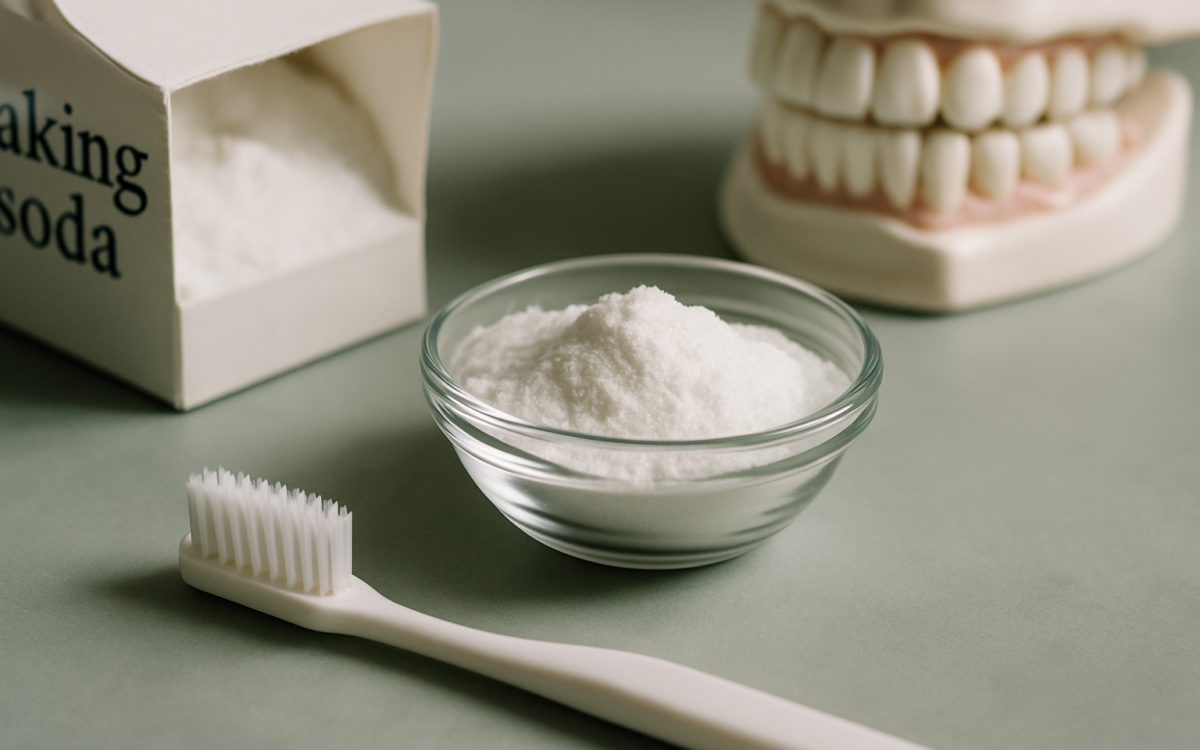
In the quest for a brighter smile, many people explore various teeth-whitening options. One popular suggestion that floats around is using bread soda, also known as baking soda. But does bread soda genuinely whiten teeth, or is it just another health myth? Let’s dive into the science behind bread soda and its impact on dental health to clarify these questions.
What is bread soda?
Bread soda, or baking soda (sodium bicarbonate), is a common household ingredient often used in baking, cleaning, and even personal care. Its slightly abrasive nature and alkaline properties make it a popular choice for various uses. In dental health, it’s often discussed for its potential whitening effects. But how does it actually work?
How does bread soda whiten teeth?
The whitening effect of bread soda is primarily due to its mild abrasive quality. When you brush your teeth with it, the tiny particles can help remove surface stains caused by food, drinks, and tobacco. This stain removal can lead to a brighter appearance. Additionally, bread soda has alkaline properties that may neutralize acids in the mouth, potentially reducing the risk of cavities.
What the research says
Research into the effectiveness of baking soda for teeth whitening has shown some promising results. A study published in the Journal of Clinical Dentistry found that toothpaste containing baking soda removed more plaque and stains than those without it. However, it’s essential to note that while baking soda may help with surface stains, it doesn’t change the natural color of your teeth.
Benefits of using bread soda for teeth
- Inexpensive option: Bread soda is affordable and can be found in almost every household.
- Natural ingredient: Being a common kitchen staple, it is generally considered safe when used correctly.
- Reduces acid: Its alkaline nature helps neutralize acids in the mouth that can contribute to dental problems.
Potential risks and side effects
While bread soda can be beneficial, it’s essential to use it cautiously. Overuse or heavy abrasiveness can damage tooth enamel, leading to increased sensitivity and a higher risk of cavities. According to the Mayo Clinic, maintaining good dental hygiene is vital to overall oral health, and excessive scrubbing with abrasive substances can do more harm than good.
How to use bread soda safely
If you choose to use bread soda for teeth whitening, here are some tips for safe use:
- Mix a small amount of bread soda with water to form a paste.
- Use it sparingly—no more than once or twice a week.
- Brush gently to avoid damaging enamel.
- Consider following up with regular toothpaste to ensure you are maintaining the health of your enamel.
Alternatives to bread soda
If you’re looking for other options for teeth whitening, there are several alternatives:
- Whitening toothpaste: Formulated specifically to remove stains and brighten teeth.
- Baking soda pastes: Products available in stores may offer more precise formulations that are safer for your teeth.
- Professional treatments: Dentists offer bleaching procedures that can safely whiten teeth more dramatically.
When to see a doctor
If you experience persistent tooth staining, sensitivity, or pain, consult a dental professional. A dentist can provide personalized recommendations and treatments tailored to your specific needs.
In conclusion, while bread soda may offer some benefits in terms of whitening teeth through stain removal, it’s crucial to use it wisely and in moderation to avoid damaging your enamel. Remember to incorporate good dental hygiene habits and consult your dentist for the best options to achieve your ideal smile.
