
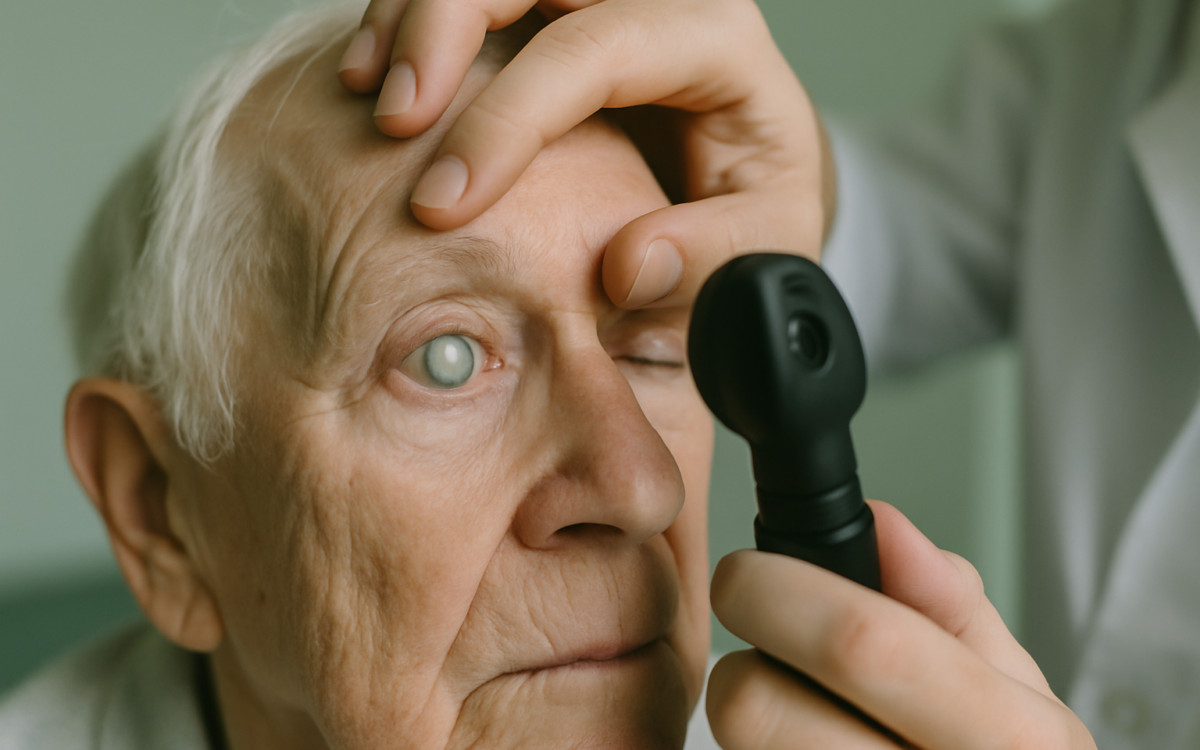
Cataracts are a common eye condition that can have a significant impact on vision. They occur when the normally clear lens of the eye becomes cloudy, leading to blurred or impaired vision. Understanding cataracts, including their causes, symptoms, and treatment options, can help you take proactive steps toward maintaining your eye health.
What are cataracts?
To define a cataract eye, think of it as a lens that has started to lose its clarity. The eye’s lens, located behind the iris and pupil, is primarily made up of water and proteins. When proteins clump together, they can form a cloudy area in the lens, which causes light to scatter as it passes through. This scattering affects clarity and can impact your ability to see.
Causes of cataracts
Cataracts can develop due to various factors:
- Age: As people age, the risk of developing cataracts increases. It’s one of the most common causes of vision loss among older adults.
- Genetics: A family history of cataracts can raise your risk. If your parents or siblings have had cataracts, you may be more susceptible.
- Sun Exposure: Prolonged exposure to ultraviolet (UV) rays from the sun can contribute to the formation of cataracts.
- Medical Conditions: Certain conditions, such as diabetes, can increase the risk of cataracts.
- Tobacco use and alcohol consumption: Both have been linked to a higher likelihood of developing cataracts.
Symptoms of cataracts
Recognizing cataracts early can help in managing the condition. Common symptoms include:
- Blurry or cloudy vision
- Difficulties seeing at night
- Increased sensitivity to glare
- Seeing halos around lights
- Frequent changes in prescription glasses or contact lenses
Some people may also notice that colors seem to fade or appear less vibrant as cataracts progress. It’s important to remember that these symptoms may develop gradually, making individuals less aware of the changes in their vision.
Diagnosis of cataracts
Diagnosing cataracts typically involves a thorough eye examination by a healthcare professional. Vision tests assess clarity and sharpness, while a dilated eye exam allows the doctor to see inside the eye and check the lens for cloudiness.
During the exam, your eye care specialist may use a slit-lamp microscope to assess the lens and determine the extent of the cataract. Imaging tests may also be conducted to gain a full view of eye health.
Treatment options for cataracts
For those suffering from cataracts, there are several treatment options available:
- Glasses or contact lenses: Early on, prescription eyewear may help alleviate vision issues caused by cataracts.
- Cataract surgery: If cataracts significantly impair vision and affect daily life, surgery is usually recommended. This procedure involves removing the cloudy lens and replacing it with a clear artificial lens.
The surgery is typically outpatient and can be done under local anesthesia. Many patients report immediate improvement in their vision after the procedure.
For those considering options abroad, treatment in Turkey is gaining popularity due to advanced facilities and skilled surgeons at competitive prices.
Living with cataracts
If you are diagnosed with cataracts, staying informed and proactive is key. Regular visits to your eye doctor can help monitor the condition and address any changes in your vision. Additionally, some lifestyle choices may help:
- Protect your eyes from UV rays by wearing sunglasses.
- Maintain a balanced diet rich in fruits and vegetables to support eye health.
- Quit smoking and limit alcohol consumption.
By taking these steps, you may help delay the progression of cataracts and other age-related eye conditions.
When to see a doctor
If you notice any changes in your vision, such as blurriness, difficulty seeing at night, or increased glare sensitivity, it’s essential to consult an eye care professional. Early detection and treatment of cataracts can make a notable difference in preserving your eyesight.
Conclusion
Cataracts are a manageable condition, especially when caught early. By understanding what cataracts are and recognizing their symptoms, you empower yourself to seek timely treatment and maintain your eye health. Remember to have regular check-ups with your eye doctor to keep your vision clear through every stage of life.
