
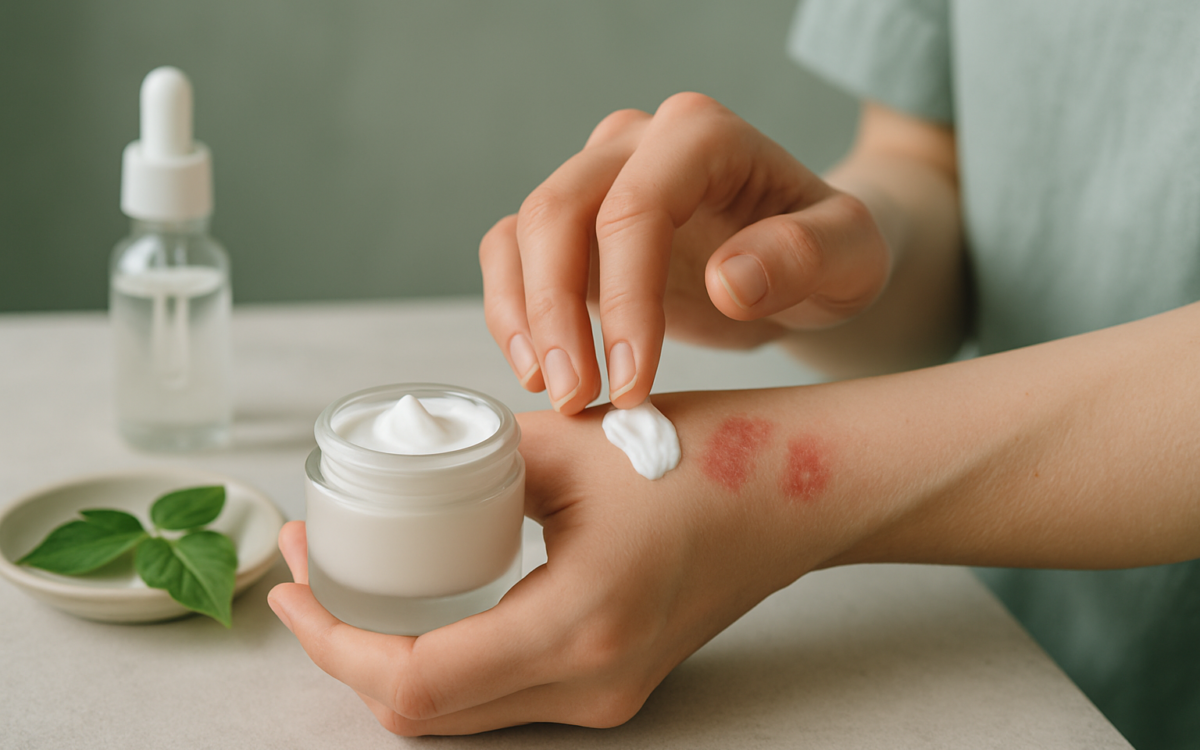
For many outdoor enthusiasts, a hike or picnic can quickly turn into an uncomfortable experience due to an encounter with poison ivy. This common plant, known for its distinctive three-leaf clusters, can trigger an itchy, blistering rash in sensitive individuals. Understanding how to handle poison ivy exposure is essential for finding relief and healing. While the idea of a ‘miracle cure’ is appealing, there are proven methods to manage symptoms and promote recovery.
What is Poison Ivy?
Poison ivy (Toxicodendron radicans) contains a sticky oil called urushiol, responsible for causing allergic reactions in many people. This oil can remain potent on surfaces—like clothing, tools, and even pets—for extended periods. Exposure usually occurs through contact with the plant itself or by touching something that has come in contact with it.
Recognizing Poison Ivy Rash
Understanding what a poison ivy rash looks like is crucial. The rash typically presents as red, itchy bumps and blisters and can appear anywhere from a few hours to a few days after exposure. The severity of the rash varies depending on individual sensitivity and the amount of urushiol contact. In some cases, the rash can be so severe that it leads to complications.
Immediate Actions After Exposure
Your best line of defense starts immediately after exposure:
- Wash the area: Rinse the skin with soap and water as soon as possible. This can help remove the urushiol and potentially minimize the rash.
- Clean contaminated items: Wash clothes, gear, and any items that may have come into contact with the plant.
- Avoid scratching: As tempting as it may be, scratching can lead to infection.
Effective Treatments for Poison Ivy Rash
While there is no ‘miracle cure’ for poison ivy, various treatment options can relieve symptoms. Here are some commonly recommended methods:
Over-the-Counter Medications
Antihistamines, like diphenhydramine (Benadryl), can help reduce itching. Additionally, topical corticosteroids (hydrocortisone cream) may alleviate inflammation. Always follow the recommended dosage on the product packaging.
Home Remedies
Many people turn to home remedies to ease the discomfort of a poison ivy rash. Some popular options include:
- Cold compresses: Applying a cool, wet cloth to the affected area can help reduce swelling and soothe itching.
- Oatmeal baths: Soaking in a lukewarm bath with colloidal oatmeal can provide relief from itching.
- Aloe vera: This natural plant extract can help soothe irritated skin.
Prevention Strategies
The best way to deal with poison ivy is to avoid it altogether. Here are some tips:
- Identify the plant: Familiarize yourself with what poison ivy looks like, so you can steer clear of it.
- Wear protective clothing: Long sleeves, pants, gloves, and boots can safeguard your skin when hiking or gardening.
- Use barrier creams: Some over-the-counter products can help form a protective barrier against urushiol.
When to See a Doctor
If you experience a severe reaction to poison ivy, including difficulty breathing, swelling of the face or throat, or extensive rash coverage, seek immediate medical attention. Severe symptoms or infections might require prescription medications, and a healthcare provider can provide guidance based on individual needs.
Conclusion
While a ‘miracle poison ivy cure’ may not exist, understanding how to properly treat and prevent an encounter with this plant can make all the difference. Employing appropriate first aid measures and knowing how to soothe the resulting rash can help you return to your outdoor activities with confidence. Always remember to consult your healthcare provider for personalized advice and treatment options.
