
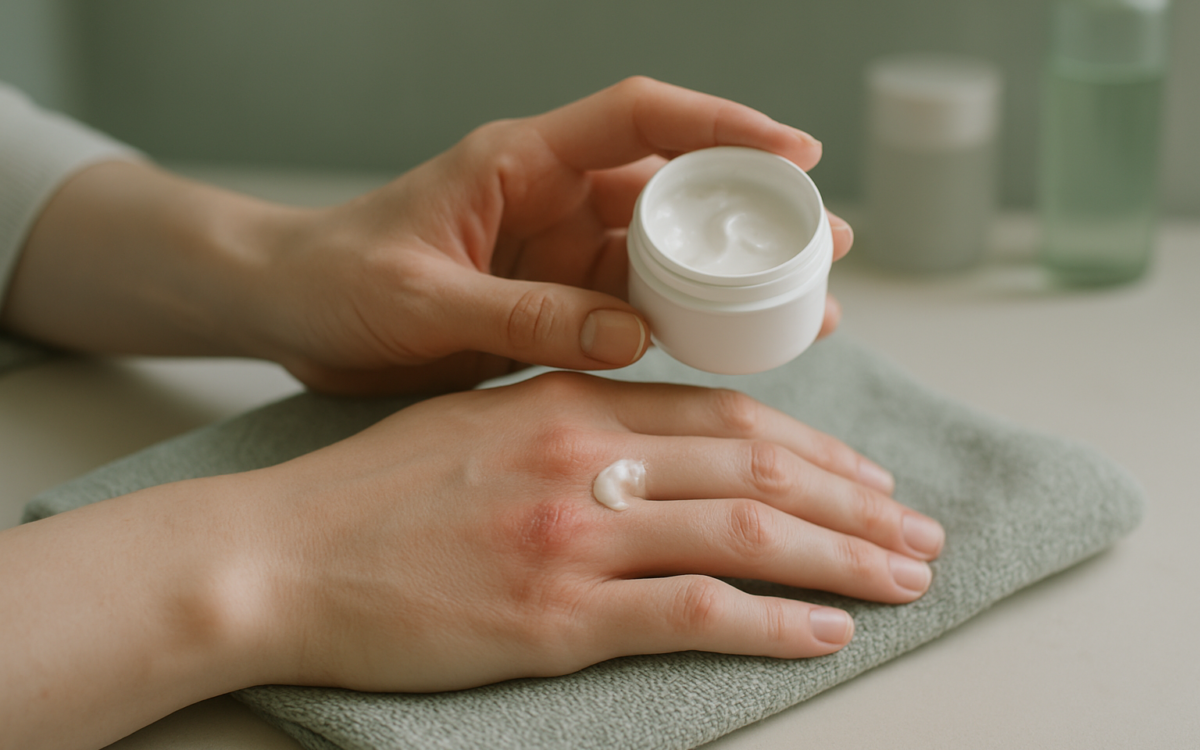
When your skin needs love and attention, healing ointments can be a game-changer. These topical treatments are designed to soothe, protect, and promote the healing of damaged skin. Whether it’s a small cut, a rash, or dry patches, the right ointment can make a significant difference in how your skin looks and feels. In this article, we will dive into the world of healing ointments, exploring types, benefits, and when to seek professional advice.
What is a Healing Ointment?
A healing ointment is a thick, greasy product that is applied to the skin. Unlike lotions or creams, which may contain a higher percentage of water, ointments are oil-based. This composition allows them to create a barrier on the skin, sealing in moisture and preventing irritants from causing further harm. Common uses for healing ointments include treating minor burns, scrapes, dry skin, and certain skin conditions.
Types of Healing Ointments
There is a variety of healing ointments available, each designed to tackle specific skin issues. Here are some of the most common types:
- Petroleum Jelly: A staple in many homes, petroleum jelly forms a protective barrier that helps to lock in moisture. It’s excellent for dry skin and can help minor cuts heal faster.
- Antibacterial Ointments: Products containing ingredients like bacitracin or neomycin can help prevent infections in minor wounds. These ointments are particularly useful after cleaning a cut or scrape.
- Emollient Ointments: These are designed to hydrate and soften the skin. They are often recommended for chronic conditions like eczema and psoriasis.
- Natural Healing Ointments: Many people prefer natural ingredients like aloe vera, honey, or coconut oil for their soothing properties. These can be effective for minor skin irritations.
Benefits of Using Healing Ointments
Healing ointments offer several advantages for skin health:
- Moisture Retention: Their occlusive nature helps retain moisture in the skin, which is essential for the healing process.
- Protection Against Irritants: Ointments can provide a physical barrier against dirt, bacteria, and other substances that may irritate the skin.
- Promotes Faster Healing: Many ointments contain ingredients that specifically support skin repair, potentially speeding up recovery time.
- Reduces Inflammation: Some ointments, especially those with natural ingredients or specific additives, can help calm inflammation and soothe discomfort.
How to Use Healing Ointments Safely
Using healing ointments correctly is crucial for maximizing their benefits:
- Clean the Affected Area: Always start by washing the area with mild soap and water to remove any dirt or debris.
- Apply a Thin Layer: Use a small amount of ointment and gently rub it into the affected area. A little usually goes a long way.
- Cover if Necessary: If treating a wound, you may want to cover it with a bandage to keep it clean and protected.
- Reapply as Needed: Depending on the specific instructions of the product, reapply the ointment regularly to maintain optimal skin hydration.
Common Conditions Treated with Healing Ointments
Healing ointments can effectively address various skin conditions, including:
- Minor Cuts and Scrapes: Applying an antibacterial ointment can promote healing and prevent infection.
- Dry or Cracked Skin: Emollient ointments can help alleviate dryness, particularly in conditions like eczema.
- Sunburn: Some ointments with soothing ingredients can provide relief for minor sunburns.
- Chafing and Irritation: Ointments can help protect areas prone to friction, reducing discomfort from chafed skin.
When to See a Doctor
While healing ointments can be very effective, it’s important to know when to seek medical advice. Consult a healthcare professional if:
- The wound appears infected (increased redness, swelling, or pus).
- The injury does not seem to improve after several days of treatment.
- You have a chronic skin condition that isn’t responding to over-the-counter treatments.
- You experience severe pain, excessive bleeding, or if the injury was caused by an animal bite.
Conclusion
Healing ointments play a vital role in skincare, helping to protect, soothe, and promote healing for various skin issues. By understanding the different types of ointments available and their benefits, you can make informed decisions about which products might work best for your needs. Remember, while these ointments can help with minor issues, don’t hesitate to reach out to a medical professional for any concerns about your skin health.
