
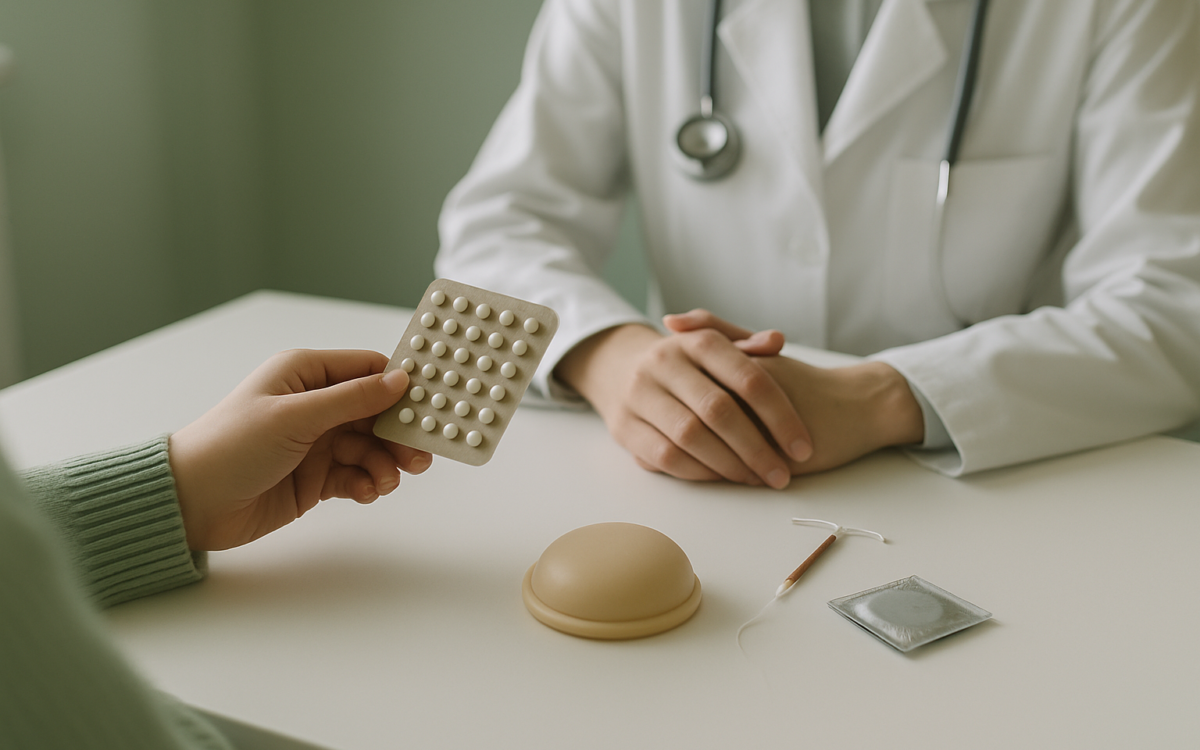
Polycystic Ovary Syndrome (PCOS) is a common hormonal disorder that affects how a woman’s ovaries work. It can lead to a range of symptoms, including irregular menstrual cycles, weight gain, and excessive hair growth. For many women with PCOS, managing these symptoms is crucial for both physical and emotional well-being. One of the most effective ways to regulate hormones and ease symptoms is through the use of birth control. But with various options available, how do you choose the best birth control for PCOS?
Understanding PCOS and Hormonal Imbalance
PCOS is characterized by a hormonal imbalance that can affect ovarian function. Women with PCOS often have higher levels of androgens — hormones typically considered male hormones — which can lead to symptoms such as acne, excessive hair growth (hirsutism), and ovulatory dysfunction. According to the National Institutes of Health, up to 10% of women of reproductive age may have PCOS, making it a widespread condition that often requires management.
Why Birth Control Can Help
Birth control methods can be an effective tool for women with PCOS, as they help to regulate the menstrual cycle and reduce the severity of symptoms. Hormonal birth control can help lower androgen levels, which in turn can lead to fewer breakouts and less hair growth. Additionally, regularizing cycles can be beneficial for women trying to manage their overall health and fertility.
Types of Birth Control Benefits for PCOS
When considering birth control for PCOS, it’s essential to understand the different types available and their respective benefits:
- Combination Oral Contraceptives: These pills contain both estrogen and progestin. They can help regulate menstrual cycles, reduce acne, and lower hirsutism. Some popular brands include Yasmin and Ortho Tri-Cyclen.
- Progestin-Only Pills: For those who may not be able to take estrogen, progestin-only pills are an option. They help protect against pregnancy but may have less effect on regulating cycles.
- Intrauterine Devices (IUDs): Hormonal IUDs release progestin and can last several years. They are effective for both contraception and managing heavy menstrual bleeding associated with PCOS.
- Birth Control Implants: These are small rods inserted under the skin that release hormones. They provide long-term contraception and can help manage symptoms of PCOS.
- Depo-Provera Injections: This method involves receiving an injection every three months. It can help regulate cycles and reduce pain associated with periods.
Choosing the Best Option for You
The best birth control for PCOS varies from person to person. Factors to consider include your overall health, the severity of your symptoms, and your personal preferences for contraceptive methods. It’s vital to have an open conversation with your healthcare provider to determine which method will work best for you. They will take your medical history, lifestyle, and goals into consideration.
If you’re considering international options for treatment, platforms like acibademinternational.com provide insights on various health services available globally, which can be especially valuable for women seeking specialized care for PCOS.
Potential Side Effects of Birth Control
While birth control can offer significant benefits for managing PCOS, it’s essential to be aware of potential side effects. These may include:
- Headaches
- Nausea
- Weight gain
- Changes in mood
- Increased risk of blood clots (in some cases)
Not every woman will experience these side effects, and many of them may diminish over time. It’s crucial to maintain follow-ups with your healthcare provider and report any adverse effects.
Alternative Treatments for PCOS
In addition to birth control, several other treatments can help manage PCOS symptoms. These include:
- Lifestyle Changes: Maintaining a healthy weight through diet and exercise can significantly improve insulin sensitivity and reduce PCOS symptoms.
- Medications for Insulin Resistance: Metformin is sometimes prescribed to help manage insulin levels, which can also positively impact weight and menstrual regularity.
- Anti-androgen Medications: Drugs like spironolactone can help reduce symptoms like hirsutism by blocking the effects of androgens.
Always consult your healthcare provider before starting any new treatments, as they can provide personalized advice based on your specific circumstances.
When to See a Doctor
If you have symptoms of PCOS or if you’re considering birth control options, it’s essential to consult with a healthcare professional. Make an appointment if you experience:
- Irregular or absent menstrual periods
- Signs of high androgen levels, such as excessive hair growth or severe acne
- Weight gain that’s difficult to manage
- Concerns about fertility
A healthcare provider can offer guidance on diagnosis, treatment options, and help you find the best birth control for your unique needs.
Conclusion
Finding the right birth control for managing PCOS can significantly improve your quality of life by alleviating symptoms and helping to regulate your menstrual cycle. With various options available, you can work with your healthcare provider to determine the best method tailored to your needs. Remember that you are not alone, and effective management of PCOS is possible with the right approach.
