
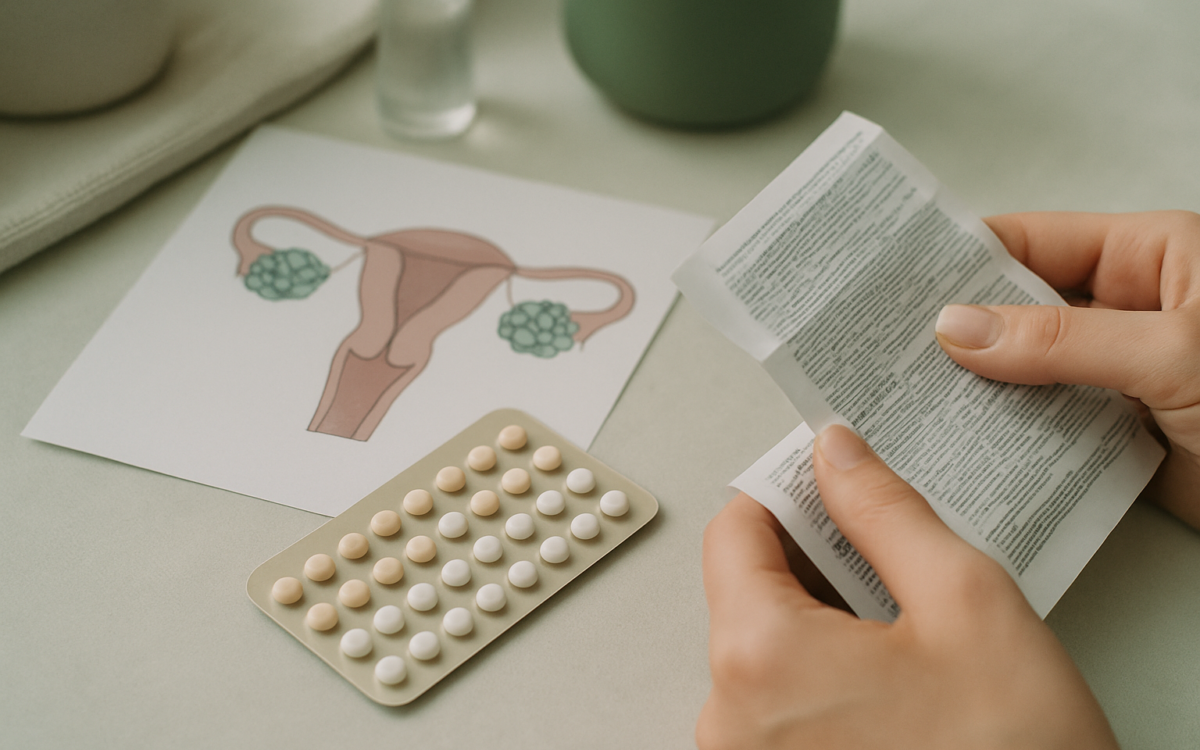
Polycystic ovarian syndrome, often referred to as PCOS, is a common hormonal disorder that affects many women in their reproductive years. This condition can lead to a variety of symptoms, such as irregular menstrual cycles, weight gain, and acne, which can significantly impact a woman’s quality of life. Birth control methods are frequently recommended to help manage these symptoms. If you’re navigating the complex choices of birth control for PCOS, this guide will provide helpful insights.
Understanding PCOS and Its Symptoms
PCOS is characterized by a hormonal imbalance that can cause a range of symptoms. Many women experience irregular periods, which can lead to difficulty in predicting ovulation. Some may have excess hair growth (hirsutism) and oily skin, contributing to acne and other skin issues. Furthermore, women with PCOS may face challenges in maintaining a healthy weight, which can exacerbate other symptoms.
According to the National Institutes of Health, approximately 5% to 10% of women of reproductive age have PCOS, making it one of the most common endocrine disorders. Understanding this condition is vital for effective management.
How Birth Control Can Help
Birth control pills can be an effective option for many women with PCOS as they help in regulating menstrual cycles. By providing a steady supply of hormones like estrogen and progestin, birth control pills can:
- Manage irregular periods
- Reduce acne and oily skin
- Help with weight management
- Decrease the risk of endometrial cancer
These benefits can lead to an overall improvement in well-being and quality of life for women dealing with PCOS.
Types of Birth Control for PCOS
There are several types of birth control options available for women with PCOS. Understanding the differences can help you make an informed choice:
Combination Birth Control Pills
Combination pills contain both estrogen and progestin. They are often the first choice for managing PCOS symptoms. These pills work by:
- Regulating the menstrual cycle
- Lowering testosterone levels, which helps reduce acne and hair growth
Progestin-Only Pills
Also known as the mini-pill, these contain only progestin. They are suitable for women who cannot take estrogen. However, they may not be as effective in managing acne and menstrual irregularities as combination pills.
Hormonal Patches and Rings
The patch and vaginal ring are alternative delivery methods that release hormones similar to those in combination birth control pills. These methods maintain effective levels of hormones without daily use, making them convenient options.
Intrauterine Devices (IUDs)
Copper IUDs are non-hormonal and are effective for birth control but do not provide the hormonal regulation needed for PCOS symptoms. Hormonal IUDs can regulate periods and may help to reduce heavy bleeding.
Implants and Injections
Birth control implants and injections (like Depo-Provera) provide progestin. While these methods are effective for contraception, they may not address all PCOS symptoms and can sometimes lead to weight gain.
Choosing the Right Method
Choosing the right birth control method is a personal decision that should take into account your health status, lifestyle, and specific symptoms. Here are some important factors to consider:
- Health Conditions: Discuss any other health conditions with your doctor. Some women with PCOS may have insulin resistance or high blood pressure that can affect birth control choices.
- Symptom Focus: If acne or hirsutism is a significant concern, combination birth control pills may be more suitable. Conversely, if managing menstrual cycles is the key goal, various options can be explored.
- Lifestyle Considerations: Your daily routine may influence your decision. If you prefer a non-daily method, patches or rings may suit you better.
Possible Side Effects of Birth Control
As with any medication, birth control can have side effects. These might include nausea, headaches, mood changes, and potential weight gain. It’s vital to discuss these with your healthcare provider, as some women may experience more severe reactions or have contraindications to specific methods.
Regular check-ins with your doctor can help monitor side effects and adjust your method if needed. Always keep an open line of communication about how you are feeling and what impacts your quality of life.
Integrating Lifestyle Changes
Birth control plays a significant role in managing PCOS symptoms, but it’s not the only solution. It’s essential to adopt a holistic approach that includes:
- A Balanced Diet: A healthy diet can help manage weight and balance hormones. Consider a diet rich in whole grains, fruits, vegetables, and lean proteins.
- Regular Exercise: Engaging in physical activity can aid in weight management and improve insulin sensitivity.
- Stress Management: High stress can worsen hormonal imbalances. Consider practices like yoga or meditation.
Incorporating these lifestyle changes can enhance the effectiveness of your birth control method and improve overall health.
When to See a Doctor
If you have PCOS, it’s important to work closely with your healthcare provider. Consult your doctor if you experience:
- Severe side effects from your birth control method
- Worsening symptoms of PCOS
- Significant changes in weight or mood
- Questions about alternative treatment options
Your doctor can guide you in adjusting your treatment plan to best fit your needs and lifestyle.
In conclusion, understanding your options for birth control can empower you to manage PCOS effectively. By working closely with your healthcare provider, you can find the right balance of treatment that addresses your unique symptoms, ultimately improving your overall health and quality of life.
